Highlights
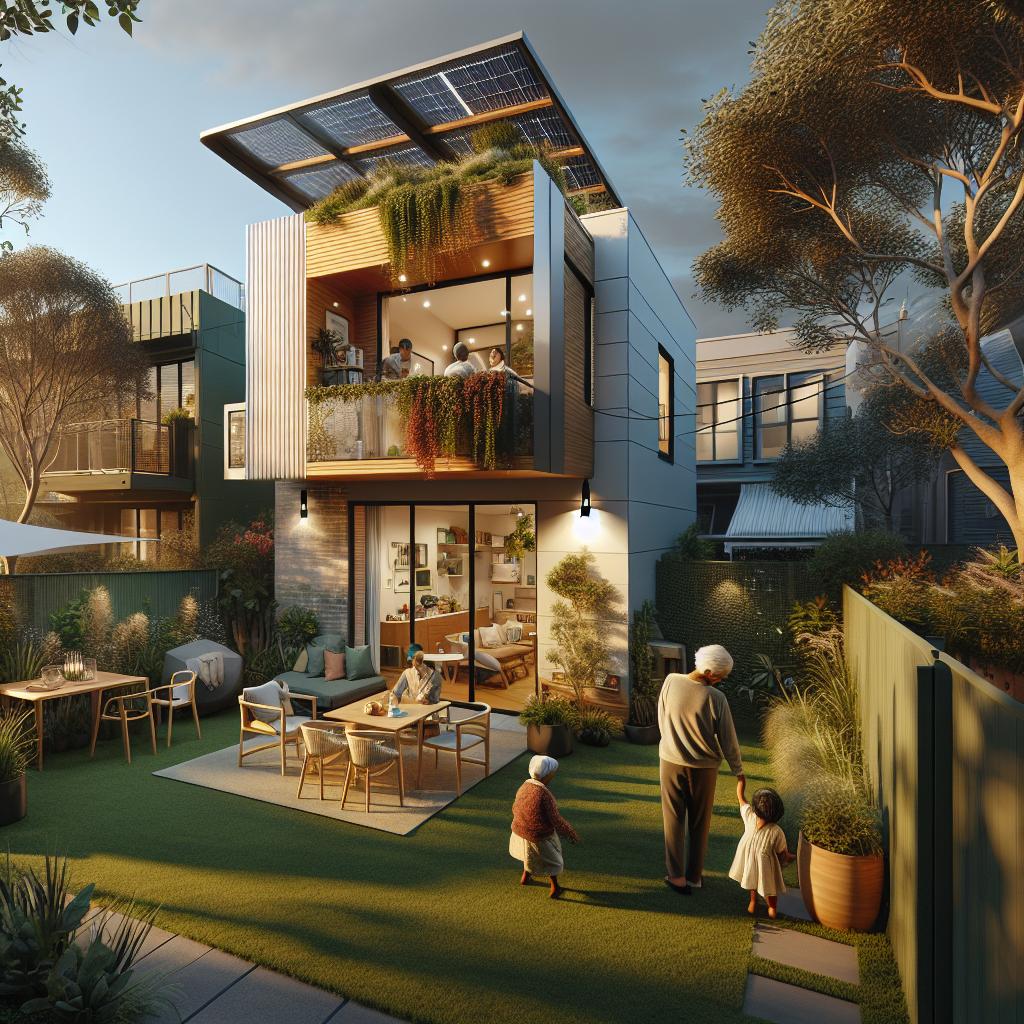
- Small backyard apartments provide eco-friendly, affordable housing solutions in urban areas.
- Innovations in design and policy can overcome challenges to increase their widespread adoption.
Summary and Overview
Small backyard apartments are compact, self-contained units built on single-family home properties, increasing housing density without altering neighborhood character. They offer private outdoor spaces and proximity to urban amenities, often designed with principles like balance and unity to maximize functionality and aesthetics. Rooted in sustainable architecture trends since the 1960s, these apartments use green materials and energy-efficient technologies, providing affordable housing options for diverse populations, including seniors and families.
Despite benefits, challenges include restrictive zoning laws, community opposition, and high construction costs. Policy reforms and incentives are needed to enable broader adoption. Innovations in sustainable design and flexible zoning are shaping their future, promoting eco-friendly, adaptable living spaces within established neighborhoods.
Advantages and Living Experience
Backyard apartments offer private outdoor areas for recreation and social activities, enhancing residents’ quality of life. They incorporate sustainable features that reduce energy use and utility costs, appealing to environmentally conscious renters. Financially, they provide affordable alternatives for seniors and families, often lowering furnishing and appliance expenses. These units increase urban density while preserving single-family homes and promote efficient use of limited space.
Residents benefit from reduced maintenance responsibilities and a sense of community balanced with privacy. The units support multi-generational living, offering flexible arrangements for aging family members. Sustainable design and shared community spaces further improve living conditions and foster neighborhood solidarity.
Design, Construction, and Regulatory Considerations
Design focuses on functionality, aesthetics, and sustainability, applying architectural principles like proportion and rhythm to create harmonious, well-scaled spaces. Flexible layouts and clever storage optimize limited square footage, while natural light and indoor-outdoor connectivity enhance livability. Sustainable construction uses eco-friendly materials and renewable energy systems to minimize environmental impact.
Compliance with zoning laws and building codes is essential to ensure safety and neighborhood compatibility. Navigating regulations can be complex but is necessary to avoid delays and costs. Effective design and permitting processes enable integration of these apartments into communities while meeting sustainability goals.
Impact on Urban Density and Housing Affordability
Small backyard apartments contribute to “gentle” density, increasing affordable housing supply near jobs, transit, and amenities. By allowing multiple units on single-family lots, they reduce land costs per household and better match housing size to smaller households. Zoning reforms encouraging multi-unit development support mixed-use, mixed-income neighborhoods and sustainable urban growth while limiting sprawl.
Challenges include high land and construction costs and regulatory barriers. Combining zoning reforms with financial incentives and flexible development options can promote inclusive, affordable housing and vibrant communities.
Challenges and Barriers
Development faces strict zoning restrictions, complex permitting, and community opposition concerned with traffic, noise, and neighborhood changes. These factors increase project costs and limit private investment. Physical space constraints in urban areas also challenge design and livability. Overcoming these issues requires coordinated efforts among policymakers, developers, and communities to enable small backyard apartment growth.
Case Studies and Examples
Successful projects demonstrate how creative design can maximize limited urban spaces while balancing affordability and sustainability. Examples range from compact clusters on backland sites to eco-friendly units generating rental income. Design strategies include maximizing natural light and flexible layouts. Interest from developers is growing due to lower project risks and the potential for affordable rents with high living standards. Historically, such units have been known as carriage houses, alley apartments, or laneway houses.
Future Trends and Innovations
Future developments emphasize energy efficiency, sustainable materials, and innovative designs that optimize natural light and space. Mixed-use, mixed-income projects supported by zoning reforms aim to overcome regulatory barriers. Achieving appropriate urban density supports energy efficiency and sustainable growth. Compliance with evolving building codes remains critical to ensure quality and safety. Overall, the future of small backyard apartments integrates sustainability, adaptable design, regulatory flexibility, and community focus.
The content is provided by Jordan Fields, Direct Bulletins