Highlights
- The top cancer hospitals excel in advanced therapies, personalized care, and patient support services.
- Rankings by trusted organizations emphasize clinical outcomes, patient experience, and innovation in cancer treatment.
Summary of Leading Cancer Hospitals
The top 15 rated cancer hospitals are recognized for their exceptional oncology care, integrating advanced therapies and personalized treatment strategies. These institutions, known for their use of immunotherapy and targeted therapies, have shown outstanding patient outcomes through their commitment to patient-centered services and cutting-edge research. Their rankings come from evaluations by platforms like U.S. News & World Report and Newsweek, which consider various factors such as clinical outcomes, patient experiences, and expert assessments to create a holistic picture of cancer care quality.
Understanding Ranking Methodologies
Different organizations rank cancer hospitals using distinct methodologies, shedding light on the quality of oncology services offered. U.S. News & World Report bases its rankings on patient outcomes, operational processes, and peer assessments, ensuring a comprehensive evaluation of care quality. Conversely, Newsweek, in collaboration with Statista, places significant weight on peer recommendations and patient-reported outcomes, reflecting a trend toward incorporating reputation with care quality metrics.
Data Sources and Metrics for Evaluation
Rankings utilize a mix of objective and subjective data, increasingly placing value on patient-reported outcome measures. Metrics such as satisfaction and quality of life are now considered equally important as traditional clinical outcomes. This shift indicates a broader understanding of care quality, capturing important dimensions of the patient experience that go beyond basic survival rates.
Expert Opinions and Accreditation
Rankings incorporate qualitative insights from healthcare professionals through peer assessments, helping to evaluate a hospital’s reputation. Accreditation and certification play a critical role, ensuring that hospitals meet essential standards for advanced cancer care, thereby reinforcing their credibility in providing high-quality treatment.
Features of Advanced Cancer Care
Advanced cancer care combines cutting-edge therapies and comprehensive diagnostic capabilities to improve patient outcomes. Leading cancer centers are particularly adept at creating multidisciplinary teams that coordinate personalized treatment plans tailored to individual needs. By harnessing various specialties, these hospitals manage treatment-related complications more effectively, ensuring a higher level of care.
The Leaders in Cancer Care
The top rated cancer hospitals excel in innovative treatments, research, and clinical trials. Institutions such as Cleveland Clinic, Johns Hopkins, and Memorial Sloan Kettering demonstrate broad expertise, achieving recognition across multiple specialties. Their commitment to research and clinical trials facilitates accelerated access to novel therapies, enhancing the depth and quality of care available.
Collaborative Care Models
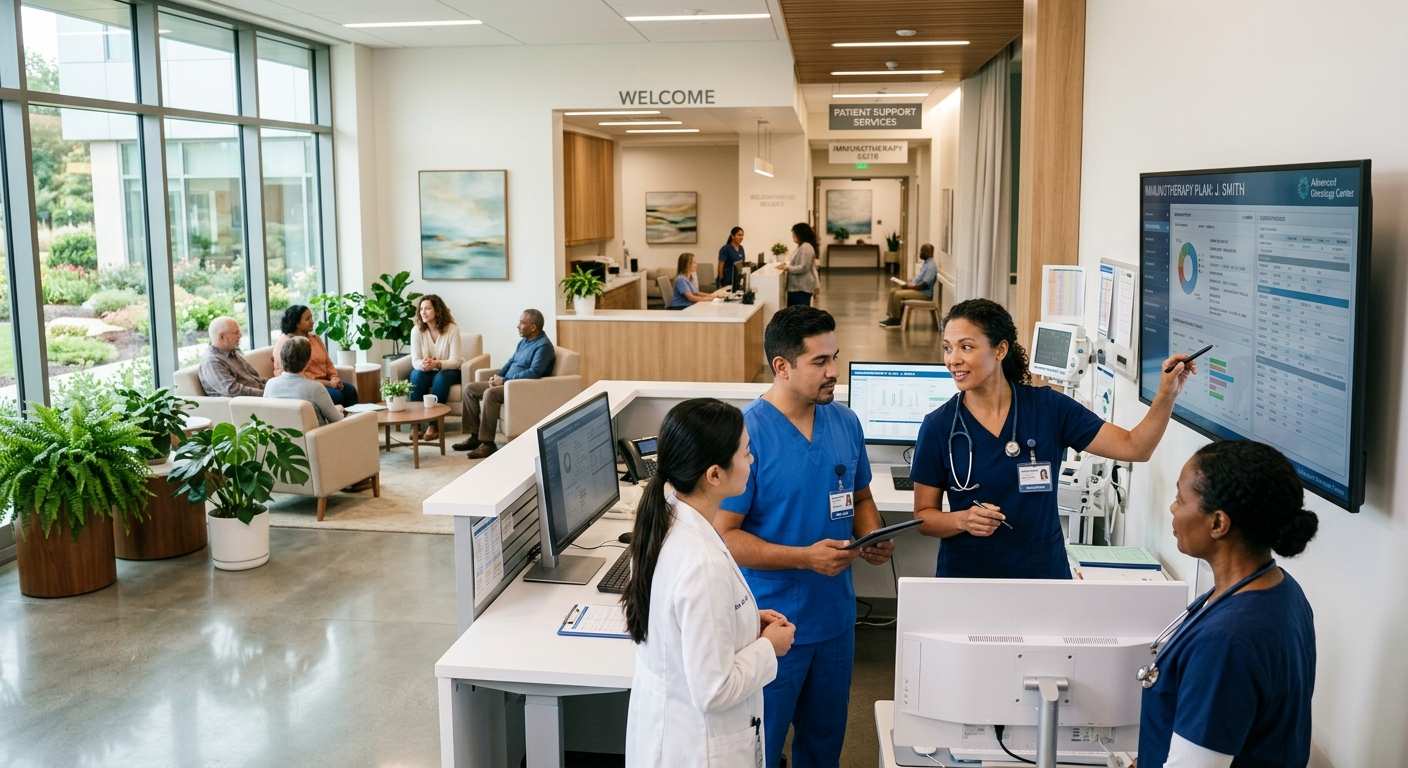
Multidisciplinary care models, which are highly effective in oncology, emphasize teamwork among specialists in developing tailored treatment plans. This approach encompasses physician-led treatment strategies along with supportive care from nurses and allied health professionals. Clinical pathways guide treatment consistency while allowing personalization, ensuring patients receive comprehensive care that aligns with best practices.
Quality and Outcome Standards
Leading cancer hospitals adhere to rigorous standards that enhance patient care and clinical outcomes. These standards involve structured methodologies for treatment delivery and incorporate patient-centered outcome measures, recognizing their significance alongside clinical metrics. A focus on continuous quality improvement and compliance monitoring ensures adherence to evidence-based guidelines, resulting in superior care and patient satisfaction.
Research Contributions and Global Collaborations
Top cancer hospitals lead in oncology research, conducting extensive clinical trials that accelerate the translation of laboratory discoveries into patient care. International collaborations expand the reach and impact of research, enhancing treatment protocols globally. Through these efforts, hospitals not only innovate but also establish benchmarks in cancer research and practice, significantly influencing advancements in the field.
Clinical Breakthroughs and Innovations
Leading institutions are pioneering advancements in immunotherapy and precision medicine, which have revolutionized cancer treatment. Specialized clinics provide access to personalized therapies based on genetic profiling, while ongoing clinical trials allow patients to benefit from the latest innovations. This commitment to research and development is vital in ensuring that cutting-edge therapies reach patients in need.
Patient-Centered Support Services
Top cancer hospitals emphasize a holistic approach to patient care, integrating multiple disciplines to enhance the overall experience. Continuous patient engagement and individualized symptom management are key components of care delivery. Enhanced focus on patient-reported outcomes allows these institutions to adapt care strategies aligning with patient preferences, ultimately improving both their quality of life and clinical outcomes.
Emerging Trends in Cancer Care
The landscape of cancer care is rapidly evolving, with a greater emphasis on personalized treatments and interdisciplinary approaches. Innovations such as early integration of palliative care, which supports patients throughout their treatment journey, reflect a more comprehensive model of support. These emerging trends highlight the importance of specialized expertise and ongoing research in providing effective and compassionate cancer care.
The content is provided by Harper Eastwood, Direct Bulletins