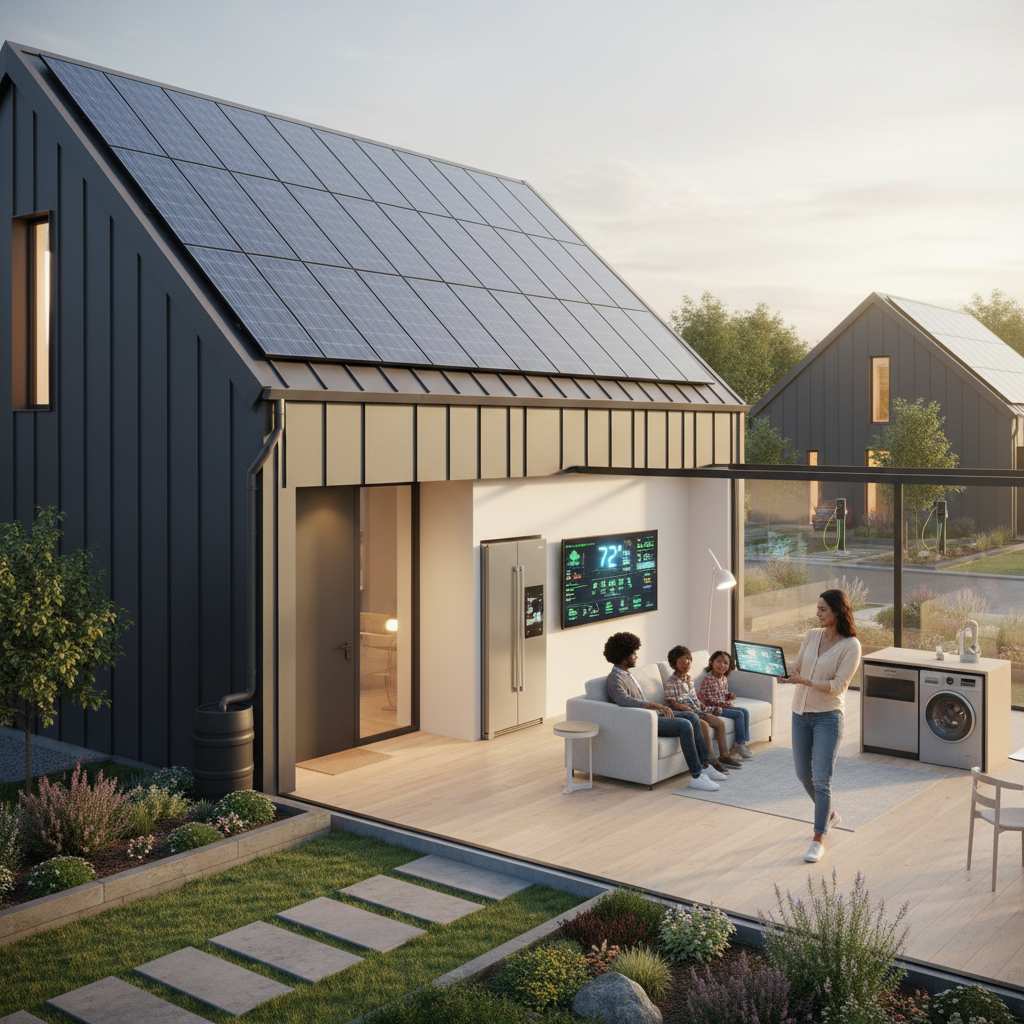
Highlights
- Embrace smart technologies to reduce energy costs and promote sustainability in your home.
- Government incentives can ease the transition to advanced energy management solutions and technologies.
Smart Energy Tips for Households in 2025
With rising energy costs projected to average $1,900 annually per household in 2025, notably driven by heating and cooling needs, it’s critical to adopt effective energy management strategies. Many households can achieve significant savings—up to 30% or more—by leveraging smart technologies and optimizing appliance usage. Advanced tools like AI-driven thermostats and smart lighting systems, along with more efficient insulation materials, not only lower energy bills but also enhance indoor comfort.
Challenges in Energy Consumption Management
Despite the potential for savings, many consumers struggle to identify and address inefficiencies in their energy use. Approximately 56% of households receive limited details on their consumption, making it harder to pinpoint areas for improvement. As a result, a growing number of homeowners are exploring third-party smart energy monitors and thermostats, enabling them to gain insights and manage energy more proactively.
Core Technologies Driving Smart Energy Management
In 2025, key technologies play a vital role in optimizing household energy consumption. Smart thermostats learn user preferences for automatic adjustments, improving climate control while reducing energy waste. Intelligent lighting systems use sensors to automate brightness based on occupancy, further minimizing unnecessary electricity consumption. Additionally, AI-powered appliances feature adaptive operating cycles that enhance efficiency—something that can lead to considerable overall energy savings when used wisely.
Integration with Renewable Energy Sources
The integration of renewable energy sources, like solar panels and battery storage, is becoming crucial for enhancing household energy self-sufficiency. Advanced solar technologies offer improved efficiency, while smart meters enable real-time tracking of energy use, ensuring better management and lower demands on the grid. This integration not only reduces reliance on fossil fuels, but can also provide substantial environmental benefits.
Renewable Energy Incentives and Regulatory Impacts
Government incentives, such as those stemming from the Inflation Reduction Act of 2022, significantly ease the financial burden of adopting clean energy solutions. Homeowners can benefit from substantial tax credits for solar installations, but recent regulatory changes could impact the effectiveness of these incentives. The enactment of the One Big Beautiful Bill Act signals shifts in policy that may affect future adoption rates, making it essential for homeowners to stay informed about available incentives and how they may change.
Getting Started with Smart Energy Management
Adopting smart technologies is a proactive approach toward energy efficiency. Strategies such as incorporating smart thermostats, using motion-sensor lighting, and upgrading to energy-efficient appliances can optimize energy consumption. Exploring advanced insulation options, like aerogel or eco-friendly alternatives, further enhances energy savings while contributing to indoor comfort. Each of these steps not only helps mitigate escalating energy expenses but also plays an essential role in broader sustainability goals.
Future Directions and Innovations
The trajectory of smart energy management is on a growth path, driven by advancements in AI and IoT technologies. Upcoming innovations promise to enhance the user experience and operational efficiencies in managing energy loads. As these technologies evolve and integrate with renewable energy systems, they will continue to reshape household energy consumption, making intelligent energy management not just beneficial, but necessary for future living standards.
The content is provided by Harper Eastwood, Direct Bulletins