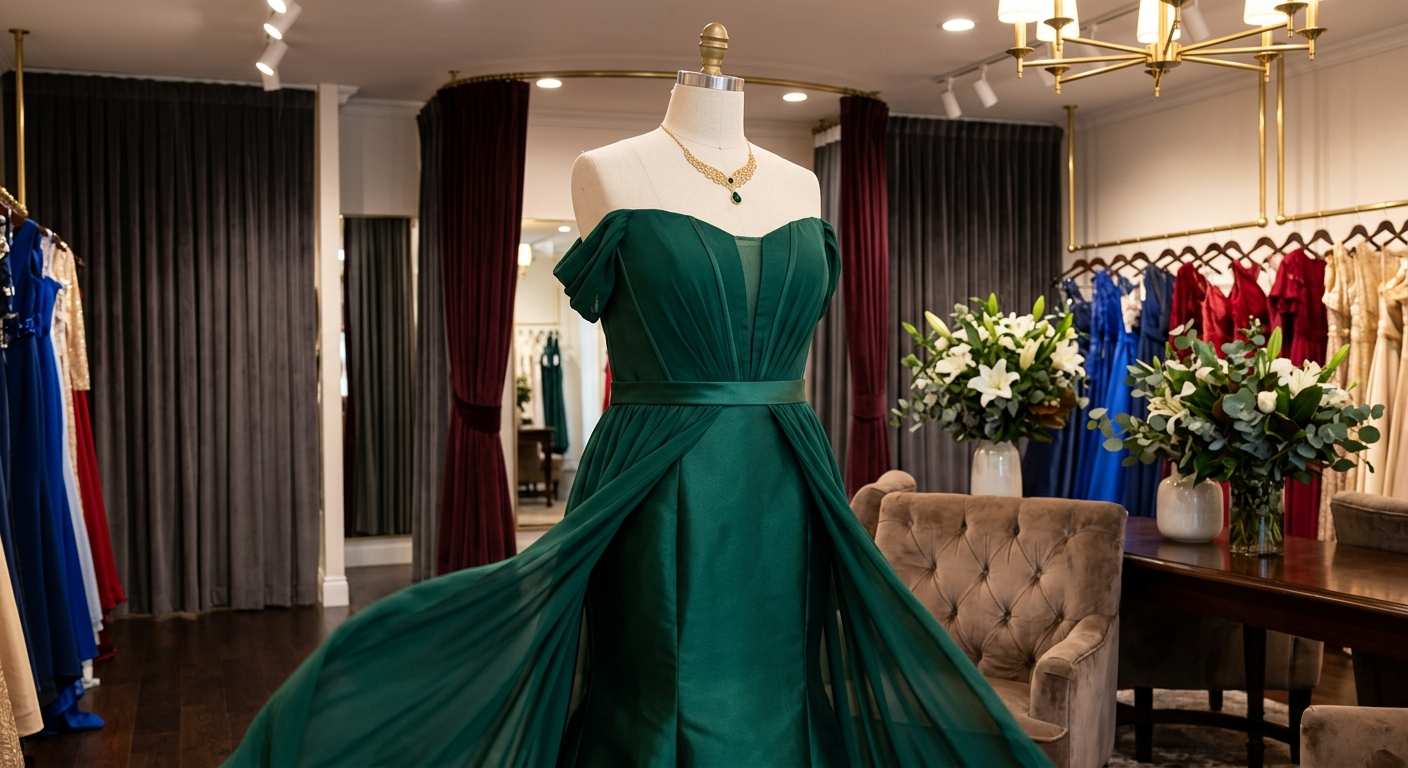
Highlights
- Plus size formal gowns blend style, comfort, and structural support for confidence at events.
- Advanced fabric technologies ensure flattering fits that enhance elegance and ease of movement.
Summary
The article explores the evolving landscape of plus size formal gowns, emphasizing the demand for stylish options that maintain shape and comfort. With a growing focus on inclusivity, these gowns utilize advanced construction techniques like boning, strategic seaming, and shapewear to ensure flattering silhouettes without restricting movement. The choice of fabric, ranging from structured materials to flowing textiles, is essential for achieving both elegance and durability in plus size formalwear.
Importance of Shape Retention in Plus Size Formal Gowns
Shape retention directly impacts fit and wearer’s confidence at events, making it a vital consideration for plus size formal gowns. Gowns that maintain their shape provide essential structural support, enhancing the silhouette and comfort of the wearer. Features like interior boning and strategic seaming ensure that the gown offers lift and contour precisely where it’s needed, enabling a stylish appearance without compromising ease of movement.
Market Overview and Consumer Demand
The plus-size clothing market is experiencing robust growth, driven by increased demand for stylish, well-fitting apparel that caters to diverse body types. North America leads the market due to demographic factors and evolving fashion industry practices, while the Asia-Pacific region is emerging as the fastest-growing area, reflecting cultural shifts toward inclusivity. This growing consumer base indicates a significant demand for innovative plus size formal gowns that reconcile style and comfort.
Fabrics Commonly Used in Plus Size Formal Gowns That Hold Shape
Fabric selection is critical for maintaining shape in plus size formal gowns, with certain textiles renowned for their structural qualities. Structured fabrics like mikado and satin provide defined silhouettes, enhancing waist definition without sacrificing comfort. Lighter fabrics like chiffon and crepe offer fluid draping, allowing for freedom of movement while helping to maintain an elegant appearance throughout wear.
Structured Fabrics for Shape Retention
Bodices crafted from crisp fabrics such as taffeta adhere well to structured designs, allowing for defined silhouettes without bulk. Mikado and satin enhance the gown’s polished look while maintaining its form, ensuring that pleats and sculpting elements remain intact through long periods of wear. These materials are chosen for their ability to hold shape firmly, making them ideal for evening wear.
Flowing Fabrics with Shape-Preserving Qualities
Flowing materials like chiffon and crepe balance movement with structure, offering comfort and breathability. Chiffon’s lightweight nature provides natural movement, crucial for plus size designs, while crepe’s refined drape ensures a smooth, sophisticated look that photographs well. Blended fabrics often enhance these qualities, combining stretch and durability for added comfort during extended events.
Structural Enhancements Beyond Fabric
In addition to fabric choices, internal components such as boning and integrated shapewear are essential in supporting the gown’s structure. These design features not only enhance the silhouette but also ensure comfort, addressing the unique needs of plus size wearers during various activities, such as sitting or dancing.
Structural Design Features and Construction Techniques
Customized structural design enhances the fit and support of plus size gowns, integrating features like steel boning and power mesh to create a flattering silhouette. Steel boning offers rigid support, essential for maintaining the gown’s shape while allowing flexibility. Built-in cups and reinforced seams provide additional comfort and stability, ensuring wearers can enjoy their events without compromising style.
External Design Elements and Accessories that Enhance Shape
Strategic external design elements, such as cinched waists and structured bodices, enhance a plus size gown’s silhouette. Accessories like belts create visual interest and accentuate the waistline, promoting a well-balanced look. Careful consideration of embellishments and fabric details can improve comfort while offering stylish options for customizing individual gowns.
Evolution of Plus Size Formal Gown Design and Construction
The evolution of plus size formal gowns has seen a shift toward inclusive design, integrating advanced construction techniques and materials that emphasize support and style. Modern designs focus on creating tailored structures that accommodate unique body shapes, rather than merely enlarging patterns from smaller sizes. This transformation, coupled with the integration of functional support features, has revolutionized the experience of wearing plus size formalwear, ensuring confidence and comfort.
Consumer Concerns and Feedback Regarding Fit and Comfort
Consumers express a strong desire for well-fitting gowns that also offer comfort, highlighting fit consistency and fabric choice as critical factors. Accurate measurements and personalized fittings help mitigate issues related to size discrepancies among brands. Breathable and stretchy materials are often preferred, as they ensure both flattering shapes and comfort through extended wear, addressing concerns over fit and style.
Tips for Selecting Plus Size Formal Gowns That Hold Their Shape
When selecting plus size formal gowns, consider structural support features to ensure comfort and flattering silhouettes. Prioritizing fabric quality, look for premium materials that offer both firmness and flexibility, and choose styles that complement your body shape. Tailoring can further enhance fit, ensuring the gown serves as both a stylish choice and a comfortable option for formal events.
Care, Maintenance, and Storage to Preserve Shape
Proper care and storage are essential for maintaining the shape of plus size gowns, particularly those made from structured fabrics. Gowns should be stored on padded hangers to preserve their design, and cleaning should follow manufacturer guidelines, often favoring professional care. By handling garments with attention, their elegant appearance and structural integrity can be sustained over time.
Leading Brands and Designers Specializing in Plus Size Formal Gowns
Brands like Jovani and Azazie distinguish themselves by focusing on flattering designs that enhance body shape and structure in plus size formal gowns. Their approach integrates functional features that prioritize comfort and style across various silhouettes. Additionally, retailers and designers committed to inclusivity are expanding options for plus size consumers, creating a broad array of stylish gowns that cater to diverse formal occasions.
Modern Fabric Technologies and Their Functions in Gown Construction
Modern fabric technologies contribute significantly to plus size gown design, ensuring a balance between elegance and functional performance. The use of blended fabrics combines stretch with structure, providing comfort while enhancing the gown’s ability to maintain shape. Innovative garment engineering further integrates necessary support within the design, creating dresses that meet both aesthetic and comfort needs for plus size wearers.
The content is provided by Blake Sterling, Direct Bulletins