Highlights
- Local spas are evolving into essential wellness hubs for mental health and stress relief.
- Embrace the future of relaxation with innovative, personalized services at your local spa.
Summary
Discover_Local_Spa_Salons_Transform_Your_Relaxation_Experience_in_2025 explores the dynamic evolution of local spa salons and their transformative impact on personal wellness and relaxation in the year 2025. As the global spa and beauty salon market experiences robust growth—projected to reach USD 239.57 billion by 2033—consumer demand is shifting toward personalized, technology-enhanced, and holistic wellness services that integrate advanced treatments with sustainable practices. Local spas have emerged as essential wellness hubs, moving beyond luxury indulgence to become vital sanctuaries for mental health, stress relief, and physical rejuvenation amid increasingly fast-paced lifestyles.
This transformation is driven by innovations such as artificial intelligence (AI), virtual reality (VR), and biohacking techniques that enable hyper-personalized treatments and immersive relaxation experiences. Spas are also incorporating traditional therapies—like Ayurvedic treatments and salt therapy—augmented with biometric tracking to offer comprehensive, results-oriented care that caters to diverse consumer preferences. Moreover, the industry’s growing focus on sustainability and eco-conscious operations aligns with rising consumer expectations for environmentally responsible self-care.
The article also highlights critical challenges facing local spa salons, including high service costs, workforce shortages, and fierce market competition intensified by digital disruption and evolving client behaviors. Despite these hurdles, strategic adoption of digital platforms, AI-powered personalization, and innovative business models are enabling spas to enhance customer engagement, operational efficiency, and market penetration. Notably, the integration of “dopamine menu” concepts reflects a novel approach to tailoring spa experiences based on psychological and time investment factors, underscoring a deeper understanding of client well-being.
Overall, Discover_Local_Spa_Salons_Transform_Your_Relaxation_Experience_in_2025 presents a comprehensive overview of how local spa salons are redefining relaxation by blending cutting-edge technology, holistic wellness, and sustainable practices. It examines both the opportunities and controversies shaping the industry’s future, positioning spas as pivotal players in the broader health and lifestyle landscape of 2025 and beyond.
Industry Overview
The global spas and beauty salons market is experiencing robust growth, driven by rising consumer spending on grooming and personal beauty care services. In 2024, the market was valued at approximately USD 156.96 billion and is projected to reach USD 239.57 billion by 2033, growing at a compound annual growth rate (CAGR) of 4.8% between 2025 and 2033. This expansion reflects an increasing awareness among consumers about personal care, as well as a growing demand for services that offer relaxation and rejuvenation amid hectic daily schedules.
Key drivers shaping the industry include the growing inclination towards aromatherapy and spa treatments, the convenience offered by mobile app and online booking platforms, and the rising popularity of personalized and at-home spa and salon services. The market also benefits from demographic trends such as the expanding consumer base within the 36 to 50 years age group, as well as rising participation from younger consumers, particularly Generation Z, who increasingly engage in destination tourism and leverage digital platforms to access discounted wellness packages.
Innovation plays a significant role in transforming the spa and beauty salon experience. Emerging trends for 2025 highlight the integration of biohacking techniques in medical spas, utilizing treatments like cryotherapy, infrared saunas, and LED light therapy to enhance skin health by promoting collagen production and improving elasticity. Furthermore, advancements in artificial intelligence are enabling spas to offer highly personalized services, optimize operational efficiency, and deliver tailored treatments based on individual customer needs.
The industry also witnesses technological evolution in specific treatments, such as the shift from traditional cryotherapy using liquid nitrogen to electric-based methods, driven by demand from athletes and wellness enthusiasts seeking rejuvenation. Additionally, long-standing therapies like salt therapy continue to evolve, leveraging historical practices with modern applications to attract clients seeking holistic wellness benefits.
Alongside service innovation, the supporting market for salon and spa software is growing, with revenues increasing from approximately US$813.6 million in 2024 to an expected US$865.52 million in 2025, underscoring the sector’s push towards digital transformation and enhanced customer engagement.
Despite positive trends, the industry faces challenges such as the relatively high cost of professional spa and beauty salon services, which can limit access for some consumers. However, the overall outlook remains positive with numerous opportunities for market development, especially in emerging regions and through the adoption of new technologies and personalized service models.
Importance and Impact of Local Spa Salons
Local spa salons play a crucial role in promoting wellness and relaxation in today’s fast-paced society. They offer a sanctuary for individuals seeking respite from hectic daily routines, providing a variety of body and skin care services tailored to client needs. As wellness becomes an integral lifestyle choice in 2025, spas have shifted from being a luxury to an essential aspect of self-care, mental health, and stress relief.
The increasing consumer awareness regarding personal care has significantly boosted demand for local spa salons, which contribute not only to physical well-being but also to mental wellness through services such as massage therapy, aromatherapy, and mindfulness sessions. Incorporating holistic approaches, including partnerships with nutritionists and offering wellness coaching, further enhances client satisfaction and loyalty by addressing wellness from the inside out.
Beyond their role in individual health, local spa salons impact the economy and the beauty industry by driving market penetration and development. They create employment opportunities and foster innovation through the adoption of digital solutions like AI-powered consultations and appointment management systems, which improve staff productivity and resource utilization. However, these businesses face challenges such as a shortage of skilled professionals and the need to keep pace with evolving trends, which necessitate competitive pay and investments in staff well-being to attract and retain top talent.
Additionally, local spas contribute to sustainable business practices by emphasizing organic, chemical-free products and environmentally friendly operations, aligning with the growing consumer preference for eco-conscious services. They also support supply chain resilience by diversifying suppliers and promoting local brands, helping to mitigate disruptions and maintain service quality.
Market Trends and Innovations in 2025
The spa and salon industry in 2025 is characterized by significant growth driven by evolving consumer preferences, technological advancements, and an increasing focus on sustainability. The Middle East and Africa, while holding the lowest global market share, are witnessing rising demand due to the popularity of beauty treatments in Gulf countries, South Africa, and Algeria. For instance, the UAE spa services market is projected to reach a valuation of USD 1.04 billion by 2025, supported by rapid urbanization and development of skincare-focused salon facilities. The luxury segment dominates with a 66.92% market share in 2025 and is expected to grow rapidly, fueled by upscale spas and thermal salons offering high-quality holistic treatments.
Demographically, the age groups 36 to 50 years, below 18 years, and above 50 years are projected to experience notable growth in spa and salon usage from 2025 to 2032. The under-18 segment benefits particularly from Generation Z’s interest in destination tourism and their preference for booking discounted wellness packages via online platforms. This highlights a shift towards digital engagement among younger consumers.
Technological integration is a major driver of innovation within the industry. The salon and spa software market is expanding, with revenues growing from approximately US$813.6 million in 2024 to an estimated US$865.52 million in 2025, and a projected CAGR of 4.63% through 2030. AI-powered tools are becoming essential, enabling task automation, data analytics for actionable insights, and personalized marketing strategies that enhance customer experiences. These technologies facilitate tailored treatment plans by analyzing client preferences, skin conditions, and treatment histories, thereby improving competitiveness and sustainability in a dynamic market.
Moreover, cutting-edge technologies such as wearable health monitors, LED therapy, virtual reality (VR) meditation rooms, and digital twin modeling are revolutionizing spa services. These innovations allow guests to monitor real-time physiological data, visualize treatment outcomes, and engage in immersive wellness experiences like virtual group yoga or AI-adaptive VR programs that respond to mood and preferences. Despite concerns over maintaining a balance between automation and human interaction, spas emphasize staff training to ensure AI enhances rather than replaces the holistic spa experience.
In terms of treatments, 2025 sees a rise in regenerative and non-invasive procedures within medical spas. Advanced therapies including microneedling with radiofrequency, PDO thread lifts, PRP, exosome treatments, IV therapy, and body contouring are increasingly popular, reflecting a consumer preference for natural and results-driven solutions. Complementing these are traditional and holistic therapies enhanced by biometric tracking, such as Ayurvedic body treatments, thermal baths with guided breathwork, lymphatic drainage, infrared sauna therapy, cryotherapy, and acupuncture. This blend of ancient and modern techniques underscores the industry’s commitment to comprehensive physical and emotional wellness.
Sustainability has become a central business imperative in 2025. Consumers demand eco-conscious, low-impact spa experiences, prompting businesses to innovate with organic, chemical-free products and sustainable dispenser solutions that reduce waste while maintaining hygiene and aesthetic appeal. The integration of tele-beauty services and AI-driven personalization further supports sustainable practices by optimizing resource use and enhancing customer satisfaction.
Finally, new conceptual frameworks like the “dopamine menu” are being adopted to categorize spa offerings based on their psychological and time investment impact, helping clients better tailor their experiences. Examples include longer treatments like body therapies as “entrees,” quick sessions like aromatherapy as “appetizers,” and complementary options such as facial masks as “sides”. This approach reflects a deeper understanding of client wellbeing beyond physical treatments, aiming to maximize relaxation and enjoyment.
Business Models and Operational Strategies
The spa and salon industry in 2025 is witnessing significant shifts in business models and operational strategies as owners adapt to changing client behaviors and market dynamics. Traditional approaches are being re-evaluated to meet evolving consumer expectations and improve competitiveness in a rapidly digitizing landscape.
One prominent trend is the diversification of service structures. Salon owners are repackaging services to align with clients’ new spending habits by offering bundled packages, hybrid commission models, and flexible booth rental options. Some businesses are expanding into salon studio franchises to create scalable growth opportunities and enhance financial stability. These models enable salons to respond creatively to market fluctuations and shifting demand patterns.
Operationally, integrating digital solutions has become essential. AI-powered business co-pilots assist owners by providing real-time, actionable insights such as identifying declines in bookings, flagging inventory shortages, or recommending optimal ad spend adjustments based on seasonal trends. This data-driven approach enhances decision-making and operational efficiency. Moreover, AI systems personalize client experiences by analyzing treatment histories and preferences, leading to more tailored service offerings and increased customer retention.
To maintain smooth operations amid supply chain challenges and workforce constraints, spas and salons are adopting strategies like diversifying suppliers with local brands and investing in staff well-being through competitive pay and continuous training. Training programs specifically focus on equipping employees to effectively utilize AI tools, ensuring successful technology integration while addressing resistance to change. Monitoring staff productivity, resource utilization, and administrative efficiencies through AI also contributes to improved operational performance.
Finally, maintaining a robust social media presence and embracing emerging technological trends remain critical for brand positioning and customer engagement. The fusion of immersive, data-driven services with traditional holistic experiences defines the spa of the future, promising faster results and deeper relaxation in a competitive marketplace.
Services and Treatments in 2025
The spa and wellness industry in 2025 is marked by a fusion of advanced technology, natural therapies, and holistic wellness approaches designed to enhance both physical and emotional health. Services now emphasize non-invasive, results-driven treatments that prioritize long-term skin health and overall well-being.
Cutting-Edge Skincare and Regenerative Therapies
Innovations such as Platelet-Rich Plasma (PRP) and exosome therapies exemplify the shift toward natural, regenerative methods that stimulate the body’s own healing processes. Microneedling combined with radio frequency (RF) is widely adopted for skin rejuvenation, while treatments like BioRePeel and red light therapy continue to gain popularity for their skin-enhancing benefits. Personalized skincare, increasingly guided by DNA analysis, allows for customized treatments tailored to individual genetic profiles and skin needs. Advanced technologies such as ultrasonic skin scrubbers and radio frequency devices are standard in modern spas to deliver cutting-edge facial and body treatments.
Non-Invasive Aesthetic Enhancements
Demand for non-surgical skin tightening and lifting solutions remains high, with High-Intensity Focused Ultrasound (HIFU), microcurrent therapy, and PDO thread lifts leading the market. Body contouring treatments and targeted fat-reduction injections support weight management and metabolic function, offering clients sculpted results without invasive procedures. Additionally, lymphatic drainage massages and collagen-boosting facials are popular for naturally firming and refreshing the skin.
Holistic and Wellness-Focused Services
Spas in 2025 integrate holistic wellness techniques, combining traditional and modern modalities to support physical and emotional balance. Ayurvedic body therapies enhanced with biometric tracking, guided breathwork sessions, and acupuncture are increasingly featured on spa menus. Mental health and mindfulness have become core elements of treatment plans, with services focused on emotional balance gaining prominence.
Infrared sauna therapy, cryotherapy, and halotherapy (salt therapy) are widely offered to promote detoxification, immune support, and respiratory health. Modern salt cave therapy utilizes halogenerators that disperse microscopic salt particles into controlled environments, aiding lung function and relaxation. Infrared saunas, which heat the body internally, are especially favored for stress reduction, workout recovery, and pain relief.
Body Treatments and Relaxation Techniques
Full-body exfoliation followed by mud masks, once limited to the face, have expanded to promote overall skin health by detoxifying and hydrating the entire body. Essential oil massages combined with targeted heat applications help clients relax and recover from muscle tension or injuries. Hydrotherapy baths and aromatherapy massages also remain staples for deep relaxation and skin rejuvenation.
Technology-Enhanced Wellness Experiences
Technology integration is redefining the spa experience through AI-driven personalization, wearable sensors, and immersive virtual and augmented reality tools. AI systems analyze client preferences and physiological data in real time to customize treatments and wellness programs, addressing individual needs more precisely. Biohacking trends incorporate cold therapy, red light therapy, and infrared saunas to accelerate recovery and boost vitality. These tech-enhanced services not only improve efficacy but also cater to evolving client demands for innovation and personalization.
Sustainability and Conscious Wellness
Reflecting a growing consumer focus on sustainability, many spas now emphasize zero-waste beauty treatments, organic skincare products, and ethically sourced ingredients. Luxury spa experiences have evolved beyond indulgence to embody conscious well-being that supports both the individual and the environment.
Together, these diverse services and treatments illustrate the dynamic evolution of spa and wellness offerings in 2025, blending scientific advancements with natural, holistic care to transform the relaxation experience.
Enhancing the Relaxation Experience
In 2025, local spa salons are transforming the relaxation experience through a blend of innovative treatments, cutting-edge technology, and thoughtfully designed environments that cater to both physical and mental well-being. The integration of targeted heat applications combined with massage techniques has been shown to significantly enhance relaxation and aid in injury recovery, providing clients with a more effective therapeutic experience. For deep relaxation, services such as hydrotherapy baths, infrared saunas, and aromatherapy massages are increasingly popular, while muscle recovery treatments often include targeted massage paired with infrared heat for optimal results.
Mindfulness and meditation have become central components of spa experiences, with guided breathing exercises helping clients connect to the present moment and establish calmer respiratory rhythms that promote stress reduction. To support these holistic approaches, many spas now offer meditation spaces and wellness coaching, emphasizing mental health alongside physical relaxation.
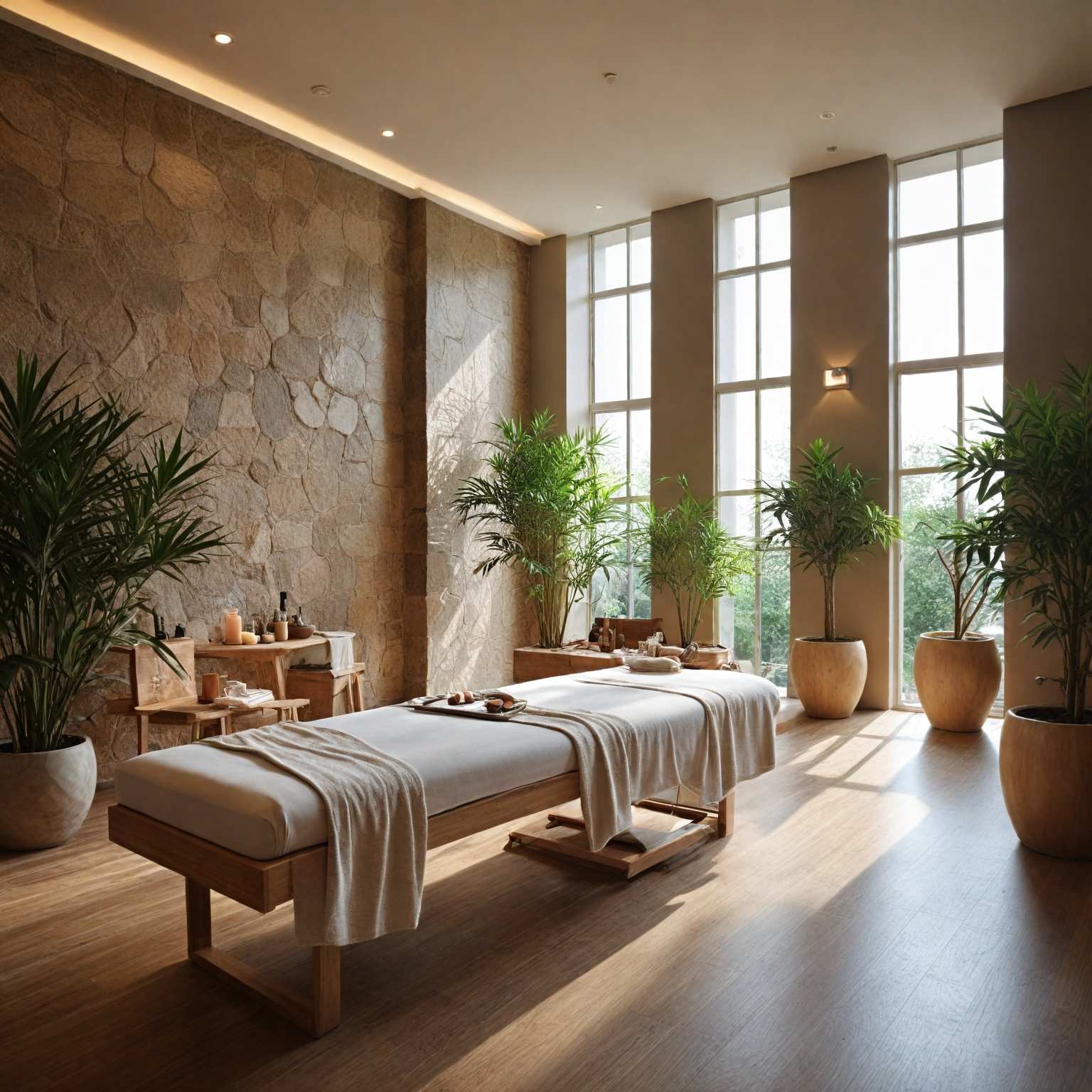
Spa design trends also play a vital role in enhancing relaxation. Biophilic design, which incorporates natural elements such as green
Staff Training and Client Engagement
The successful integration of advanced technologies such as AI, VR, and biometric tools in spa environments depends heavily on comprehensive staff training. Ensuring that team members are proficient in utilizing these innovations maximizes their benefits and supports a seamless client experience. Training encompasses not only the technical aspects of operating new devices and software but also troubleshooting common issues and guiding clients through immersive experiences like VR sessions. Ongoing support and overcoming resistance to technological adoption are crucial to maintaining effective use and sustaining service quality.
In addition to technical training, implementing the best spa software streamlines administrative tasks such as scheduling, documentation, and compliance reporting. Automating documentation of client sessions and treatment plans reduces paperwork and enhances accuracy, which helps staff focus more on client care while ensuring adherence to industry regulations, especially in healthcare-related treatments. Monitoring staff productivity and resource utilization through AI-driven analytics further optimizes operational efficiency by tracking increases in treatments per therapist and reductions in manual administrative tasks.
Client engagement is elevated through the application of AI that analyzes client preferences, treatment history, and specific conditions like skin type to craft highly personalized treatment pathways. The use of VR and AR technologies offers immersive, multi-sensory experiences that can be integrated thoughtfully—for example, during downtime or as part of curated packages—thereby enhancing relaxation and overall satisfaction. Hyperpersonalized services supported by advanced technology foster deeper social connections and prioritize holistic mental wellness, positioning spas at the forefront of industry innovation while maintaining a focus on client well-being.
Ultimately, the synergy between well-trained staff and cutting-edge technology not only increases productivity and operational efficiency but also creates an elevated, personalized spa experience that drives client loyalty and satisfaction in 2025 and beyond.
Customer Reception and Satisfaction
In 2025, customer reception and satisfaction within local spa salons have become increasingly centered on personalization and immersive experiences. A significant 97% of regular salon and spa clients emphasize the importance of personalized services during in-person visits, and 81% report a higher likelihood of rebooking when offered tailored promotions and treatments. This shift reflects a broader demand for services that acknowledge individual needs rather than relying on a one-size-fits-all approach.
Clients are seeking more than just routine treatments; they desire environments that feel luxurious, relaxing, and visually appealing—often described as having the “WOW” factor. Such spaces not only encourage repeat visits but also inspire customers to bring friends and share their experiences on social media, amplifying word-of-mouth marketing. This trend underscores the critical role of aesthetic appeal, client comfort, and functional design in enhancing satisfaction.
Technology plays a pivotal role in shaping customer experiences. Modern AI systems analyze client preferences, treatment histories, and specific skin conditions to deliver highly personalized service pathways, ensuring that wellness programs and treatments are tailored precisely to each individual’s needs. Additionally, the integration of VR technology offers immersive relaxation options, such as guided meditation sessions in virtual environments like beaches or forests, which about 75% of clients choose to continue using during their treatments. Proper staff training ensures that these technologies complement rather than disrupt the holistic spa experience.
Challenges and Industry Dynamics
The spa and beauty salon industry in 2025 faces multiple challenges that shape its competitive landscape and operational strategies. One significant challenge is the intense competition fueled by a saturated market and evolving consumer preferences. Salon and spa owners must continually keep up with emerging trends and innovations, while simultaneously addressing the limited availability of skilled professionals—a consequence of many beauty workers leaving the industry during the pandemic and the ongoing difficulty in attracting and retaining top talent.
Economic factors also heavily influence the industry. Economic downturns tend to reduce consumer spending on non-essential services, such as luxury spa treatments, affecting revenue streams across the sector. Even traditionally recession-resistant affluent clients are exhibiting more cautious spending behaviors by spacing out appointments or opting for more modest services. This shifting client behavior compels businesses to rethink pricing and service structures, including repackaging offerings to better accommodate new spending habits and preferences.
Operational costs and regulatory compliance present additional hurdles. High operational costs, coupled with stringent regulations concerning beauty products and services, demand that businesses maintain both cost efficiency and adherence to legal standards. Digital transformation, including AI-powered consultations and appointment management systems, has become crucial for improving productivity, resource utilization, and administrative efficiency, but integrating these technologies requires ongoing staff training and overcoming resistance to change.
Supply chain disruptions remain a concern, prompting many businesses to diversify suppliers and favor local brands to avoid shortages and delays. Furthermore, investment in staff well-being and competitive pay is essential to reduce turnover and maintain service quality. Maintaining a strong social media presence and positive online reputation also plays a vital role in attracting and retaining customers in a highly competitive market.
Discovering Local Spa Salons in 2025
In 2025, discovering and engaging with local spa salons has become increasingly influenced by digital transformation and evolving customer preferences. The spas and beauty salons market is growing steadily, with a valuation increase from USD 169.55 billion in 2023 to USD 178.88 billion in 2024, highlighting rising consumer interest and spending in wellness and beauty services.
One of the key trends facilitating discovery is the widespread adoption of digital platforms. Consumers now expect seamless online appointment booking experiences, with surveys showing that 94% prefer service providers who offer online scheduling and 82% book appointments via mobile devices. Consequently, salons and spas integrating user-friendly mobile apps and AI-powered consultation tools are better positioned to attract and retain clients. AI technology, in particular, helps personalize customer experiences by analyzing past visits and preferences, allowing salons to recommend tailored treatments and promotions that resonate with individual clients.
Moreover, the market encourages diversification and inclusivity to appeal to a broader clientele. Local spa salons are increasingly adopting hybrid models that combine beauty services with spa-like relaxation experiences, creating unique offerings that enhance customer satisfaction. Training staff on diverse styling techniques and fostering welcoming environments further broadens their reach within the community.
Collaborations with influencers and partnerships with wellness centers also serve as effective channels for attracting new customers and enhancing brand visibility. Additionally, salons focusing on premium services such as VIP client experiences and employing biophilic design principles to improve ambiance create appealing spaces that emphasize exclusivity and tranquility.
Finally, innovative approaches to service menus, inspired by concepts like the dopamine menu, allow salons to categorize offerings into accessible experiences and premium treatments, helping clients navigate options that best fit their time and preferences. This strategic segmentation not only improves customer satisfaction but also drives repeat visits by catering to varied consumer needs.
Future Outlook and Prospects
The spa and wellness industry in 2025 is poised for substantial growth and transformation, driven by technological innovation, evolving consumer behaviors, and an increasing demand for personalized and luxurious experiences. One of the most prominent trends shaping the future outlook is the integration of advanced technologies such as artificial intelligence (AI) and virtual reality (VR) into spa services. These tech-enhanced wellness solutions offer hyper-personalized treatments and immersive sensory experiences aimed at promoting relaxation, healing, and improved sleep quality, thereby redefining traditional spa experiences.
Market projections indicate a robust expansion, with the salon and spa software segment alone expected to grow from US$813.6 million in 2024 to US$865.52 million in 2025, and an anticipated annual growth rate of 4.63% from 2025 to 2030. This growth is indicative of the increasing reliance on digital platforms for booking and managing wellness services, especially among younger generations. Additionally, the luxury segment dominates the market with a 66.92% share in 2025 and is forecasted to grow at an accelerated pace through 2032. This surge is attributed to the proliferation of high-end spas and thermal salons that provide holistic, premium-quality treatments, catering to the rising demand for exclusive wellness experiences.
Demographic shifts also contribute to the evolving landscape, with notable growth in service usage among various age groups. Generation Z, in particular, is emerging as a key market segment, engaging actively in destination tourism and utilizing online platforms to access discounted wellness packages. This trend not only fuels growth in the under-18 segment but also signals a broader shift towards digitally-driven consumer engagement across age brackets.
Beyond technological and market dynamics, spa design is undergoing a renaissance that emphasizes the fusion of modern aesthetics with timeless serenity to create tranquil environments conducive to relaxation and rejuvenation. Innovative design concepts prioritize guest comfort and luxury, reflecting a holistic approach to wellness that extends beyond treatments to encompass the entire spa atmosphere.
Finally, spas and salons are increasingly viewed as sensitive indicators of broader economic conditions. Changes in consumer spending habits—such as postponing appointments or opting for less costly treatments—serve as early warning signals for economic fluctuations, underscoring the industry’s interconnectedness with global economic trends.
The content is provided by Sierra Knightley, Direct Bulletins