Highlights
- Invisible dentures offer a discreet, comfortable alternative to traditional rigid dentures.
- Advanced materials and technologies enhance the fit and aesthetics of modern dental prosthetics.
Summary of Invisible Dentures
Invisible dentures, or clear and flexible dentures, are increasingly sought after for their natural appearance and comfortable fit. Made from flexible thermoplastic materials, these removable prosthetics adapt to the contours of the mouth, reducing irritation compared to traditional rigid options. The advancements in material sciences have improved their functionality and aesthetic appeal, making them a strong contender for patients seeking alternatives to conventional dentures.
While invisible dentures offer distinct advantages, such as improved comfort and customization through digital fabrication technologies like CAD/CAM, they do come with considerations. Higher initial costs and the need for meticulous care are important factors to weigh. Patients should also be aware of the potential need for adhesive solutions to improve retention and the possibility of adjustment periods as they adapt to wearing them.
Benefits of Invisible Dentures
Invisible dentures excel in providing a natural look, making them an excellent choice for those concerned about appearance. The flexible thermoplastic materials used allow these dentures to mold closely to the mouth, ensuring comfort and reducing irritation often encountered with rigid dentures. Their lightweight construction makes them less likely to break and typically requires fewer adjustments during fitting.
Functionally, invisible dentures also stand out; modern production techniques enable durable performance and straightforward repairs. The combination of aesthetics, comfort, and practicality positions these dentures as an appealing tooth replacement solution for many patients.
Patient Experience and Comfort Considerations
Transitioning to invisible dentures can present challenges such as initial discomfort and difficulties with eating. Adjustments to everyday activities, like biting and chewing, may take some time, but patients usually adapt effectively with experience. Additionally, while the flexible materials tend to reduce irritation compared to traditional options, ongoing maintenance is vital for preserving comfort and function.
Patients should also be informed about the role of adhesive products in enhancing stability. Understanding the emotional aspects of wearing dentures, as well as practical care routines, can further improve the overall treatment experience and help in overcoming any psychological hurdles associated with tooth loss.
Care and Maintenance
Proper care is crucial to extend the life and maintain the hygiene of invisible dentures. After each meal, it’s advisable to rinse the dentures to remove food particles and adhesive residue. Regular cleaning with denture-specific formulas, as well as gentle brushing with mild soaps and soft brushes, can prevent buildup of plaque and bacteria.
Moreover, maintaining good oral hygiene is equally important, as brushing the gums and any remaining teeth helps prevent complications. Staying hydrated supports the suction between the dentures and gums, contributing to overall stability and comfort. Emphasizing these care practices can significantly enhance patient confidence and satisfaction.
Candidate Selection and Contraindications
Identifying suitable candidates for invisible dentures is essential for effective treatment outcomes. Patients with partial tooth loss or specific edentulous conditions can benefit from flexible dentures. However, evaluations regarding overall oral health and systemic factors are crucial for determining suitability, especially for implant-supported options.
Contraindications such as inadequate bone density or uncontrolled health conditions may influence the appropriateness of certain denture types. Understanding these factors can help clinicians recommend the best solutions tailored to each patient’s needs.
Cost, Availability, and Accessibility
The expenses involved in acquiring invisible dentures vary based on the material, type, and geographic location of services. While flexible partial dentures typically range from $700 to $3,000, implant-supported options tend to be more costly but may offer long-term financial benefits due to their durability and stability. Geographic variations in pricing are important for patients to consider in their financial planning.
The materials used also play a role in the overall cost and accessibility of these dentures, with advancements leading to more durable and aesthetically pleasing options. Patients should evaluate the long-term value against initial investment when considering their choices.
Recent Advances and Innovations
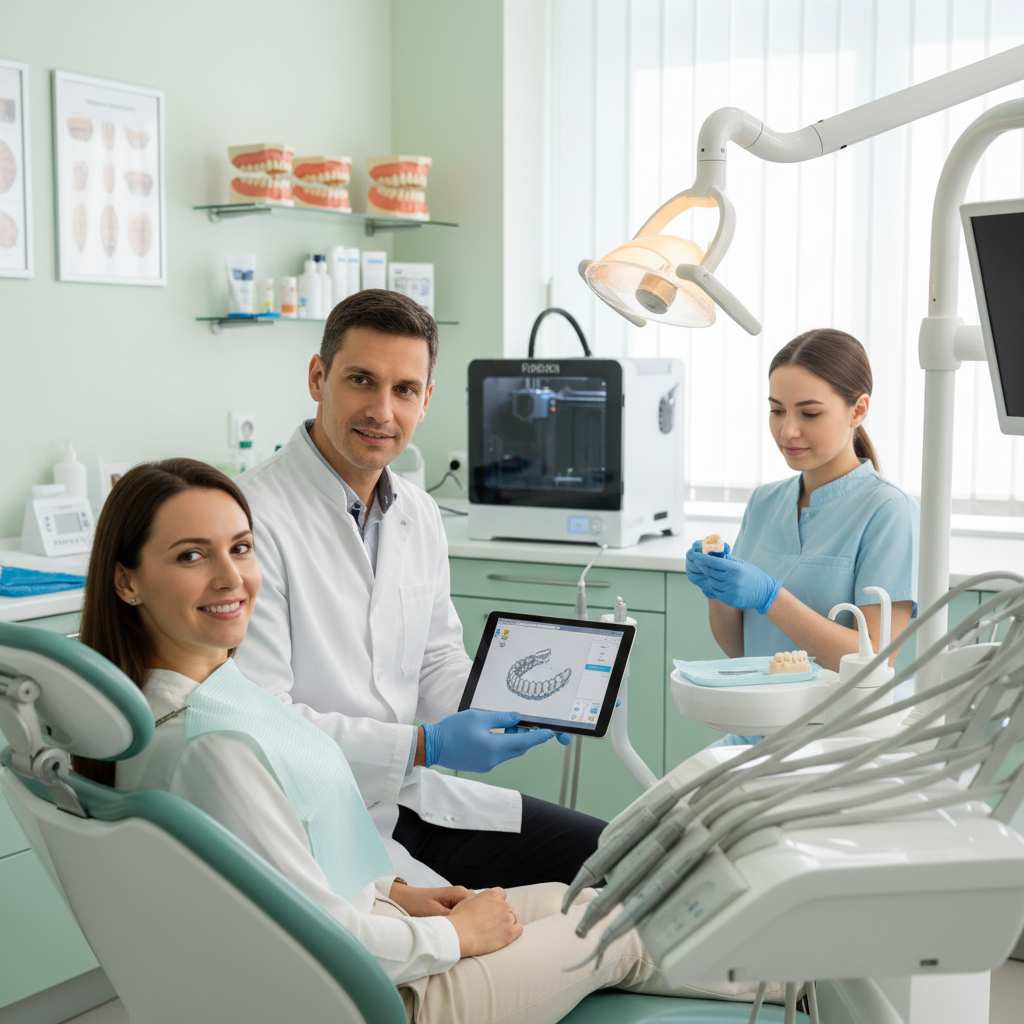
Innovations in denture technology have focused on improving the comfort and functionality of invisible dentures. Advances in materials like biocompatible thermoplastics, paired with digital fabrication techniques, have enabled highly customized and precisely fitting prosthetics. These developments not only enhance aesthetics but also streamline production and reduce waste.
Material science has expanded the options beyond traditional acrylics, cultivating advancements that enhance durability and eliminate concerns related to staining and odor. These breakthroughs have positioned invisible dentures as a practical choice, addressing common challenges faced with conventional dentures, leading to improved patient outcomes.
The content is provided by Sierra Knightley, Direct Bulletins