Highlights
- Night shift cleaning roles are vital for maintaining workplace hygiene and safety standards.
- Implementing effective training and support enhances employee well-being and job performance significantly.
Summary
Night shift office cleaning roles involve the maintenance of cleanliness and hygiene in commercial, organizational, and business environments during after-hours, typically when regular operations have ceased. These positions are critical for ensuring that workplaces are safe, sanitary, and presentable for employees and visitors the following day. Responsibilities commonly include routine tasks such as trash removal, vacuuming, mopping, dusting, and bathroom sanitation, as well as occasional deep cleaning activities like floor waxing and carpet shampooing. The role is essential not only for workplace aesthetics but also for reducing the spread of germs and maintaining overall health standards.
Working night shifts presents unique challenges that affect the safety, health, and well-being of cleaning staff. Night shift cleaners often face safety risks due to working in isolated or low-visibility environments, with a notable proportion—especially women—reporting feelings of insecurity and experiences of harassment during their shifts or commutes. Moreover, disruption of circadian rhythms linked to overnight work contributes to sleep disturbances, chronic fatigue, and increased susceptibility to health issues such as cardiovascular disease, diabetes, and certain cancers over time. These factors, combined with the sedentary nature of cleaning tasks and exposure to hazardous chemicals, underscore the importance of rigorous safety protocols and health-conscious work practices.
To succeed in night shift office cleaning roles, a multifaceted approach is necessary. This includes comprehensive employee training covering technical skills, safety procedures, and emergency response, along with adherence to regulatory standards such as OSHA’s Hazard Communication Standard. Effective scheduling practices that limit consecutive night shifts and promote ergonomic shift rotations help mitigate fatigue and health risks associated with shift work. Furthermore, fostering physical and mental well-being through exercise, proper nutrition, sleep hygiene, and supportive workplace policies enhances both performance and job satisfaction.
Technological advancements and organizational support systems increasingly play a pivotal role in optimizing night shift cleaning operations. Scheduling software and digital training tools improve operational efficiency and employee engagement, while safety cultures reinforced by regular meetings and reporting mechanisms help maintain high standards and reduce workplace hazards. Despite these improvements, challenges remain, including addressing social isolation, mental health concerns, and ensuring equitable treatment of night shift workers, making ongoing attention to these issues essential for the sustained success and safety of night shift office cleaning professionals.
Overview of Night Shift Office Cleaning Roles
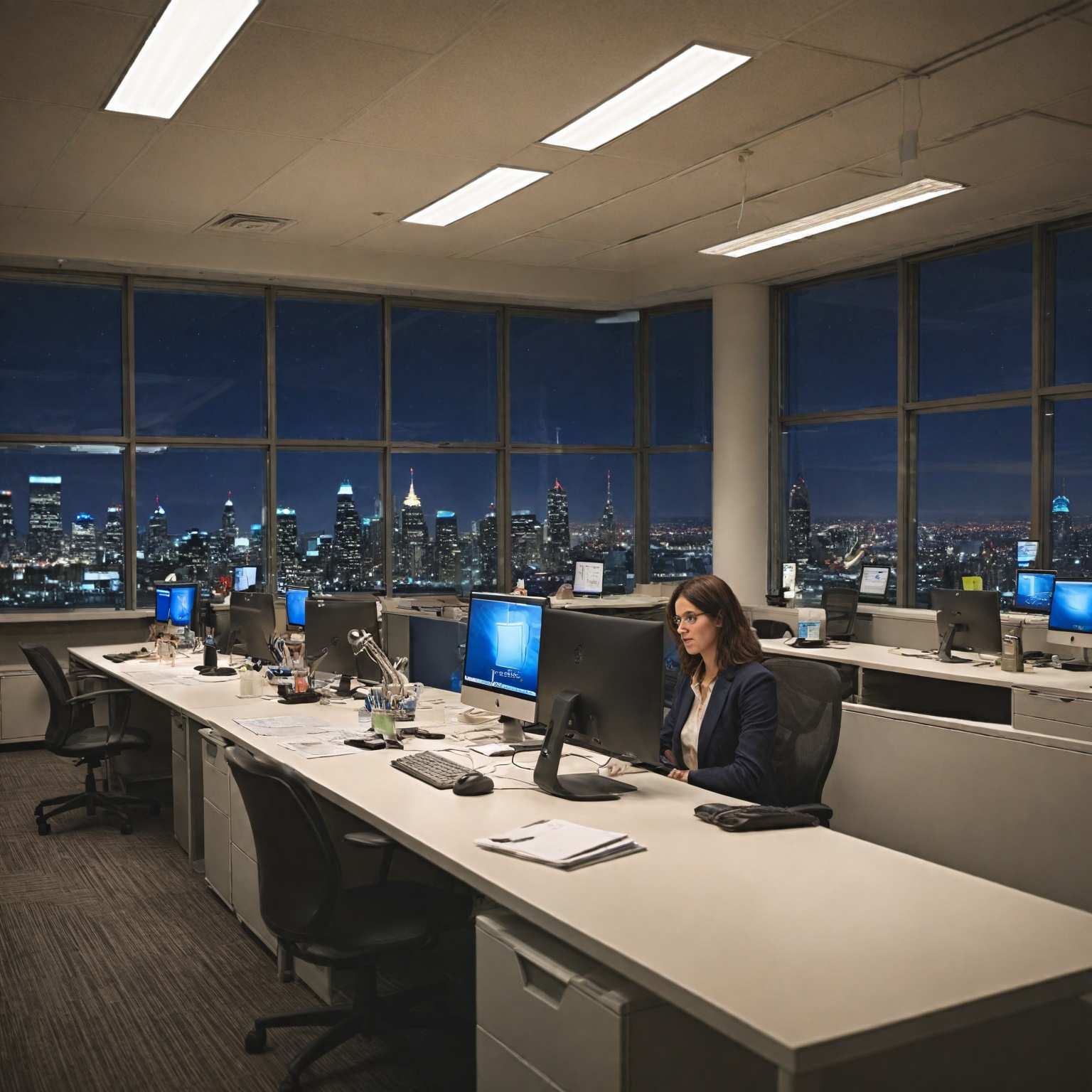
Night shift office cleaning roles involve maintaining the cleanliness and hygiene of business, organizational, or commercial properties during after-hours, typically when regular operations have ended. These cleaning professionals are responsible for tasks such as taking out the trash, dusting, vacuuming, mopping, wiping down furniture, and cleaning bathrooms and desks to ensure a sanitary environment for the following workday. In some cases, they may also perform deeper cleaning activities like waxing floors or shampooing carpets.
The role is essential for preserving workplace hygiene, reducing the spread of germs, and creating a safe, presentable environment that positively impacts employees and visitors alike. Night shift cleaners often work in various settings, including offices, schools, hospitals, and multi-tenant commercial buildings. Their duties may also extend to handling spills and reporting maintenance issues to supervisors for further attention.
Working at night presents unique challenges, including exposure to hazards such as chemical agents, slips, falls, and electrical risks. To address these, the implementation of standardized industry safety practices is crucial to protect both cleaning staff and clients. Additionally, the role can require coordination with other professionals like occupational health experts, ergonomists, and management to ensure a safe and effective working environment, as well as to address the complexities of shift work.
Challenges Faced in Night Shift Cleaning
Night shift cleaners encounter a range of challenges stemming from the nature of their work hours, environment, and health impacts. Working during nighttime hours, often when buildings are empty, can lead to safety and security concerns. Approximately 45% of female night shift cleaners report feeling unsafe at work, with over a third experiencing harassment either on the job or during their commute. The isolation inherent in night shifts also increases vulnerability to accidents and injuries, as workers may be alone or have limited access to support staff.
The disruption of natural circadian rhythms is a significant challenge for night shift cleaners. Their irregular sleep schedules can lead to sleep disturbances, chronic fatigue, and reduced alertness, which not only affect job performance but also elevate the risk of workplace accidents. These circadian disruptions have broader health implications, including increased risks of cardiovascular disease, obesity, diabetes, and certain cancers, particularly with long-term exposure to night shift work.
Social and family life conflicts further complicate the experience of night shift cleaners. The misalignment of work hours with typical social schedules can cause isolation, strained relationships, and difficulties in maintaining social connections, contributing to mental health challenges such as exhaustion and stress.
Physical health risks are compounded by the sedentary nature of cleaning tasks during night shifts. Incorporating physical activity during breaks and outside work hours is recommended to counteract these effects and improve overall well-being. Additionally, exposure to cleaning chemicals requires stringent safety measures, including proper training on personal protective equipment (PPE), safe chemical handling, and ventilation protocols to minimize health hazards.
Effective Strategies for Success
Success in night shift office cleaning roles depends on a combination of well-trained employees, effective scheduling, safety adherence, and health-conscious practices. Implementing comprehensive strategies in these areas can enhance employee performance, well-being, and overall operational efficiency.
Employee Training and Development
Good employees are fundamental to a successful cleaning business. Investing time and effort into their training and professional development ensures that cleaners perform top-quality work. Training programs should cover essential cleaning skills, the use of new technologies and equipment, and on-the-job best practices. Regular refreshers help both new and experienced team members stay updated and effective in their roles.
Effective training should also encompass comprehensive safety instruction beyond OSHA requirements, including proper use of personal protective equipment (PPE) such as gloves, goggles, and masks to minimize exposure to chemicals and biological hazards. Cleaners should be trained in first aid and CPR to respond effectively to emergencies, and in risk assessment techniques to identify and mitigate hazards like electrical dangers or trip and fall risks.
Skill development should focus on familiarizing staff with cleaning equipment, chemical handling, and effective cleaning procedures. Attention to detail, time management, and the ability to work independently are important soft skills that contribute to success. Typically, a high school diploma is preferred, and OSHA safety certifications may be required depending on the employer and job specifics. Incorporating technology into training, such as digital tools and online tutorials, enhances learning and supports continuous development.
Safety and Regulatory Compliance
Safety precautions are critical in night shift cleaning to protect employees, clients, and the environment. Compliance with regulations such as OSHA’s Hazard Communication Standard (HazCom) requires training on reading product labels and safety data sheets for the proper handling, storage, and disposal of chemical products. Additional safety training should include the correct use of PPE, first aid and CPR skills, and risk assessment techniques. Regular safety meetings and a clear reporting system for unsafe conditions foster a proactive safety culture among cleaning crews.
Scheduling Practices
Designing an effective night shift schedule is vital to maintain employee health and productivity. Managers should balance fairness and operational needs by limiting consecutive night shifts to two or three to prevent burnout. Utilizing scheduling software, such as When I Work or Homebase, can automate shift management, track employee availability, handle time-off requests, and enforce limits on consecutive night shifts. These tools reduce administrative burdens, improve schedule accuracy, and empower employees to manage their work-life balance more effectively.
Shift schedules should also be ergonomically designed to minimize circadian disruption and sleep deficits. This includes preferring quickly rotating shifts (every 1–3 days), avoiding excessive night work, and providing sufficient rest days. Such measures help reduce stress and adverse health effects associated with night work.
Health and Well-being
Maintaining good physical and mental health is essential for night shift cleaners. Incorporating short physical activities like brisk walks or stretching during breaks can counteract the sedentary nature of the job and boost energy levels. Planning self-care routines, including exercise, meditation, and naps, helps mitigate fatigue and maintain alertness. Eating smaller, more frequent meals stabilizes energy, while vitamin D supplementation may be necessary due to reduced sunlight exposure. Creating a positive mindset through nourishing routines, meditation, or journaling supports mental health and stress relief during night shifts.
Optimizing Work Environment
Creating a supportive work environment during night shifts can enhance focus and reduce fatigue. Keeping room noise at a non-repetitive, upbeat level, such as through music or radio, can increase alertness. Maintaining a cooler ambient temperature helps prevent sleepiness. These simple adjustments contribute to better concentration and job satisfaction among night shift workers.
Timing of Cleaning Activities
Scheduling cleaning tasks during early morning or late evening hours often minimizes disruption to office operations and allows cleaners to work efficiently. Choosing times when offices are less busy helps optimize workflow and reduces interference with daytime activities.
By integrating these strategies—comprehensive training, rigorous safety protocols, ergonomic scheduling, health-conscious habits, environmental adjustments, and thoughtful timing—night shift office cleaners can achieve success while maintaining their well-being and productivity.
Health and Well-being Tips
Working night shifts in office cleaning roles can be challenging but manageable with proper health and well-being strategies. Prioritizing these aspects not only enhances safety and alertness but also contributes to long-term health and job satisfaction.
Sleep Hygiene and Rest
Maintaining good sleep hygiene is critical for night-shift workers. Establishing a regular sleep schedule and creating a dark, quiet, and cool environment helps promote quality daytime sleep and reduces the risk of shift work sleep disorder—a common circadian rhythm disruption that can cause insomnia and excessive sleepiness. Taking well-timed naps during shifts, ideally 20–30 minutes in a private, restful setting, can boost alertness and reduce errors, especially for those working between midnight and 6 a.m.. If workplace policies do not currently support napping, employees are encouraged to discuss potential accommodations with management.
Physical Health Considerations
Night shift work can negatively impact metabolism and increase the risk of obesity, diabetes, and heart disease due to hormonal imbalances and disrupted circadian rhythms. To counteract these risks, maintaining a consistent exercise routine that includes cardiovascular, strength, and flexibility training is recommended. Regular physical activity can help manage weight, improve mood, enhance cognitive function, and reduce the likelihood of chronic conditions associated with night shift work.
Mental Health and Stress Management
The mental health of night shift workers, including cleaners, should be actively supported. Stress from limited access to support staff and the inherent challenges of night work can lead to burnout and low motivation. Incorporating self-care practices such as meditation, journaling, and engaging in activities that promote positive thinking and laughter can aid in stress relief and emotional well-being. Employers and managers should foster supportive work environments and wellness programs to bolster employee resilience and morale.
Workplace Support and Management
Managers have a vital role in promoting the health and well-being of night shift employees by providing access to health resources and designing supportive schedules. Encouraging healthy habits, offering wellness initiatives, and acknowledging the unique challenges faced by night shift workers can improve overall safety, productivity, and employee satisfaction.
Training and Skill Development
Effective training and skill development are essential components for success in night shift office cleaning roles. Providing structured onboarding and continuous learning opportunities ensures that cleaning staff are competent, confident, and prepared to meet the demands of their positions while maintaining high standards of cleanliness and safety.
Training programs should encompass comprehensive safety instruction beyond OSHA requirements. This includes proper use of personal protective equipment (PPE) such as gloves, goggles, and masks to minimize exposure to chemicals and biological hazards. Additionally, cleaners should be trained in first aid and CPR to respond effectively to emergencies, and in risk assessment techniques to identify and mitigate hazards like electrical dangers or trip and fall risks in their work environment. Creating a culture of safety is vital, encouraging employees to take responsibility for their own safety and that of their colleagues, supported by recognition programs that motivate adherence to safety protocols.
Skill development should also focus on familiarizing staff with cleaning equipment, chemical handling, and effective cleaning procedures, which are fundamental to the role of a night shift cleaner. Attention to detail, time management, and the ability to work independently are important soft skills that contribute to success in this position. Typically, a high school diploma is preferred, and OSHA safety certifications may be required, depending on the employer and specific job responsibilities.
Incorporating technology into training programs can enhance learning experiences and improve outcomes. Utilizing digital tools for ongoing education, automated onboarding processes, and performance monitoring helps keep training materials up to date with the latest industry trends and best practices. This approach also supports continuous development by providing regular feedback and opportunities for skill refinement.
Organizational Policies and Support Systems
Effective organizational policies and support systems are essential to ensure the safety, health, and well-being of night shift office cleaning staff. Employers must develop fair scheduling practices that consider employee availability and time-off requests, helping to maintain a balanced workload while respecting individual needs. Utilizing scheduling software, such as When I Work, enables teams to update their availability in real time, ensuring that managers have the most current information to create equitable schedules.
Compliance with legal standards, such as the Working Time Regulations 1998, is critical. Many organizations implement e-roster systems designed to safeguard staff from poor roster design and excessive working hours. These systems help manage workloads, particularly during night shifts, and allow adjustments to be made for employees who require them. Adequate equipment provision and cleaning schedules for rest and eating areas also contribute to a safer work environment.
Training forms a cornerstone of organizational support. Employees should receive comprehensive education on managing the risks associated with shift work, including coping strategies for night shifts and procedures for reporting fatigue-related incidents. Incorporating training programs that cover safety protocols—such as OSHA’s Hazard Communication Standard and Bloodborne Pathogens Standard—ensures regulatory compliance and promotes a culture of safety within the workforce. Using digital tools like employee training apps can enhance the effectiveness and accessibility of such programs.
Creating a culture of safety involves regular safety meetings, where staff can openly discuss hazards, share experiences, and propose improvements without fear of reprisal. Weekly meetings led by crew managers encourage reporting of unsafe conditions or near-misses and provide opportunities to clarify shift routines. Recognition programs for safe practices further motivate staff to prioritize safety in their daily tasks.
Support systems extend beyond safety protocols to include well-being initiatives. Organizations like Guy’s and St Thomas’ NHS Foundation Trust have implemented Occupational Health Staff Physiotherapy teams and established wellbeing zones to help night shift workers rest and recuperate. Managers can also implement quick, everyday safeguards such as fatigue check-ins, anonymous wellbeing surveys, and maintaining an open-door policy to encourage staff to voice concerns. These measures demonstrate that employee well-being is a priority and can improve safety, alertness, and long-term health.
Effective communication is vital for safety and operational efficiency. Ensuring that cleaning crews have access to communication devices throughout their shifts allows them to report unsafe situations promptly. Clear communication about cleaning services and equipment further enhances safety and workplace health.
Scheduling Strategies to Manage Fatigue and Productivity
Effective scheduling is essential for managing fatigue and maintaining productivity among night shift office cleaning staff. One key strategy is to implement shift rotations that align with employees’ circadian rhythms, as consistent rotation between day and night shifts can be more beneficial than assigning permanent night shifts. Utilizing shift schedule templates such as the 2-2-3 or DuPont plans can help achieve this balance while reducing the risk of circadian disruption. Limiting the number of consecutive night shifts to two or three before providing a night off can also prevent burnout and negative health effects associated with prolonged overnight work.
Automation tools and scheduling software, like When I Work and Homebase, are valuable for streamlining shift planning. These systems reduce managerial workload by flagging scheduling issues such as excessive consecutive night shifts, thereby enabling managers to make timely adjustments and empowering employees to better manage their own schedules. This approach promotes improved work-life balance, job satisfaction, and overall workforce efficiency.
Health and safety considerations are integral to scheduling. Employers should consult trade union health and safety representatives when changing shift patterns, ensuring that risk assessments take into account the impacts on workers’ wellbeing. Providing adequate equipment, maintaining cleanliness in rest and eating areas, and offering training on managing shift work risks—including coping strategies and fatigue reporting—are critical components of a safe work environment.
Designing shift schedules with ergonomic principles in mind can lessen stress and minimize adverse health outcomes. Recommended practices include limiting night work when possible, avoiding lengthy sequences of consecutive night shifts, and favoring rapidly rotating shifts (every 1 to 3 days) over slower rotations to reduce cumulative fatigue and circadian disruption.
In addition to scheduling structure, incorporating opportunities for physical activity during shifts—such as brief walks or stretching breaks—can counteract the sedentary nature of night cleaning jobs, boosting energy and mood. Scheduled naps of 20 to 30 minutes in quiet, dark, and cool environments during overnight hours have been shown to increase alertness and reduce errors, particularly for workers in demanding roles like nursing, and may be adapted for cleaning staff as well.
Technological Aids and Innovations
Technology plays an increasingly vital role in enhancing the efficiency and effectiveness of night shift office cleaning operations. One of the key technological innovations is the use of scheduling software, such as When I Work, which simplifies the creation and management of employee schedules. This software allows cleaning staff to update their availability, request time off, and manage shift trades directly within the platform, helping managers maintain up-to-date scheduling information and reduce administrative burdens. This automation fosters a more balanced and fair workplace, improves employee morale, and addresses common scheduling challenges faced by night shift teams[
Case Studies and Real-World Examples
Several real-world examples highlight the challenges and opportunities associated with night shift cleaning roles. For instance, a 1988 nationwide assessment by the Occupational Safety and Health Administration (OSHA) identified the dry cleaning industry as one of the highest-risk small business sectors, second only to autobody repair shops. This study prompted the National Institute for Occupational Safety and Health (NIOSH) in 1993 to conduct detailed hazard analyses focusing on chemical exposures, ergonomic risks, and fire hazards, which are also relevant considerations for night shift cleaners working with potentially hazardous materials and environments.
Night shift cleaners typically perform their duties after regular business hours in settings such as office buildings, schools, hospitals, and commercial properties. Their responsibilities often include tasks like taking out the trash, cleaning floors, wiping down furniture, and managing spills and bathroom sanitation. This role demands both physical endurance and attention to safety protocols, making proper training and employee development critical for success.
From a business perspective, investing in thorough and ongoing training programs not only enhances the quality of cleaning services but also improves employee retention and productivity. Effective safety and health programs have been shown to contribute positively to an organization’s profitability and operational stability, especially in sectors with high turnover rates like night shift cleaning. Moreover, employees who commit to night shift roles tend to develop specialized expertise due to lower competition and turnover during these hours, offering opportunities for career advancement and recognition within the industry.
Additionally, a multidisciplinary approach involving occupational health physicians, ergonomists, psychologists, and other stakeholders is essential to adequately assess and mitigate the risks associated with night and shift work. This collaborative strategy helps prevent misguided evaluations based solely on sector-specific factors and promotes scientifically supported interventions for worker well-being and safety.
The content is provided by Blake Sterling, Direct Bulletins