Highlights
- Choosing diabetes-friendly beverages is crucial for maintaining stable blood sugar levels.
- Prioritize low-glycemic drinks and limit sugars for effective diabetes management.
Summary
Optimize Beverage Choices for Stable Blood Sugar
Selecting the right beverages is crucial for effective diabetes management and maintaining stable blood sugar levels. Sugary drinks significantly contribute to rapid glucose spikes and increased diabetes risks, making it vital to choose diabetes-friendly options. This article outlines suitable drink choices—such as water, unsweetened tea, and low-fat milk—while examining the potential impacts of various beverages on blood sugar control and overall health.
Importance of Blood Sugar Management
Effectively managing blood sugar is essential to prevent complications associated with diabetes, including obesity and insulin resistance. Replacing sugary beverages with alternatives like artificial sweeteners may help reduce caloric intake and minimize blood sugar spikes. However, some natural sweeteners still require further research to confirm their long-term safety and effectiveness for glycemic control.
Impact of Beverages on Blood Sugar Control
The type of beverages consumed can significantly influence blood sugar levels. Alcoholic drinks complicate management as they can result in hypoglycemia or hyperglycemia; therefore, monitoring blood glucose is advised when consuming these beverages. Opting for non-caloric alternatives, such as flavored water, can greatly benefit blood sugar control and overall health.
Diabetes-Friendly Beverage Categories
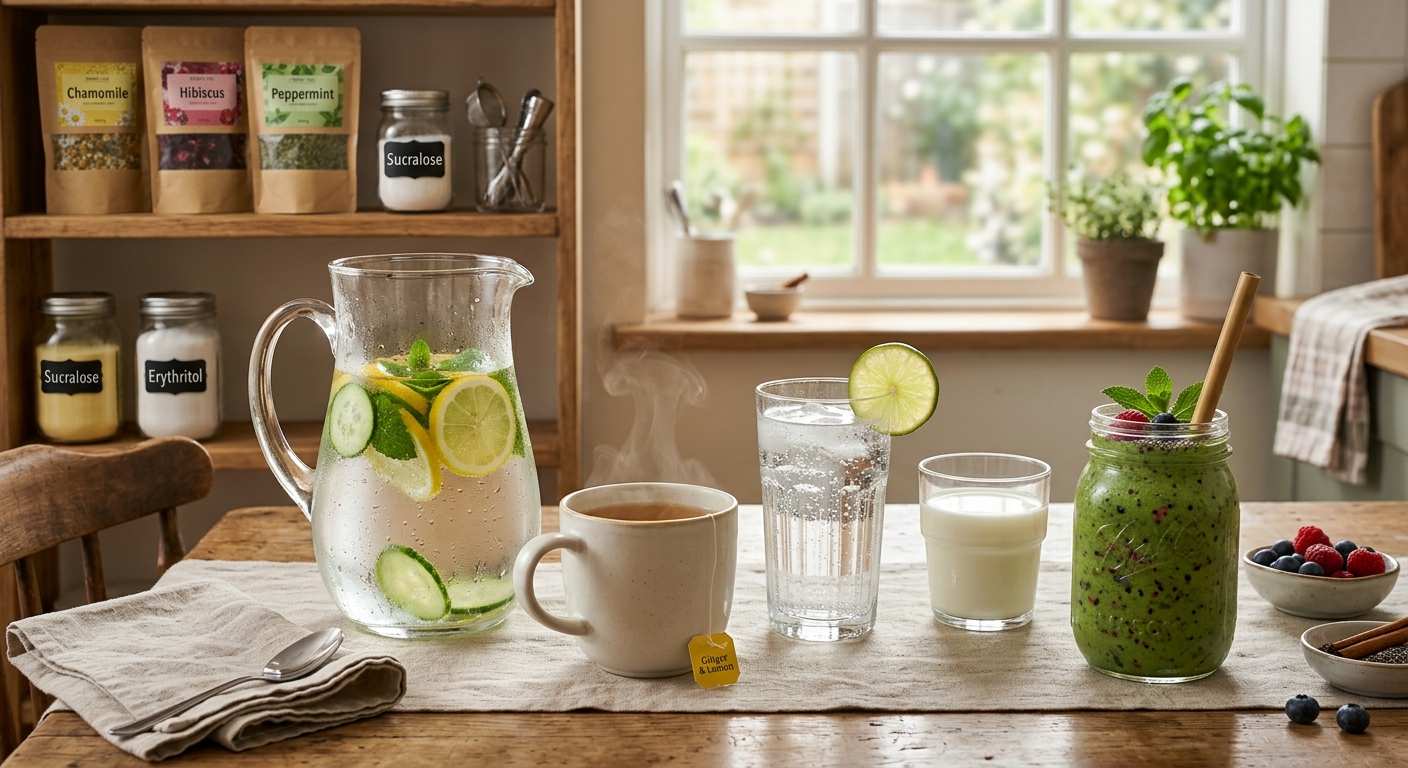
Choosing drinks low in sugar and carbohydrates is critical for stable blood sugar. Water is the optimal choice, as it’s calorie-free and aids in hydration. Unsweetened tea and coffee, along with low-fat or unsweetened plant-based milk, offer additional benefits, while homemade smoothies can provide controlled sugar content when made from whole ingredients.
Water and Seltzer
Plain water provides essential hydration without added calories or sugars. Regular consumption can help lower the risk of type 2 diabetes. Seltzer water offers a refreshing alternative to sugary sodas while remaining calorie-free.
Unsweetened Tea and Coffee
Both unsweetened tea and coffee support blood sugar control when consumed without added sweeteners or creamers. Various teas contain bioactive compounds that may enhance insulin sensitivity, making them valuable additions to a diabetes-friendly diet.
Low-Fat Milk and Alternatives
Low-fat milk is nutrient-rich yet contains natural sugars, so portion control is important to avoid blood sugar spikes. Unsweetened plant-based alternatives can provide similar benefits but require evaluation of calorie and carbohydrate content to aid glucose management.
Limit Sugar-Sweetened Beverages
Regular consumption of sugary drinks can lead to significant health issues, including rapid blood sugar increases. Limiting sugary beverages and opting for healthier alternatives is crucial for effective diabetes management.
Sugar Substitutes in Beverage Choices
Artificial sweeteners serve as low-calorie alternatives to sugar and can help manage blood glucose levels. However, some studies have raised concerns about potential long-term impacts on health, including effects on appetite and gut health. Monitoring the intake of both artificial sweeteners and sugar alcohols is advisable to mitigate possible side effects.
Nutritional Components Affecting Blood Sugar
Components such as carbohydrates can have immediate effects on blood sugar levels. Beverages containing high fast-absorbing carbohydrates, like fruit juices, require careful portion control to prevent spikes. Engaging with beverages that have a low glycemic impact can support better glucose management.
Functional Components in Beverages
Some bioactive compounds found in certain drinks can assist in improving glycemic control. For instance, omega-3 fatty acids and antioxidants may enhance insulin sensitivity, while certain juices can help stabilize blood sugar levels over time.
Clinical Guidelines for Beverage Consumption
The American Diabetes Association emphasizes careful selection of drinks to support stable blood sugar levels. Regular monitoring of blood glucose is crucial when consuming alcoholic beverages to avoid significant glucose fluctuations. The focus should remain on water and unsweetened options to safeguard health outcomes.
Understanding Serving Sizes and Consumption Frequency
Understanding correct serving sizes is essential for effective blood sugar management. Dairy and substitutes should be consumed in moderation to maintain control, while sugary beverages should be minimized or eliminated. Caution is advised with alcohol consumption, as moderation and proper monitoring can prevent adverse effects on glucose levels.
Potential Risks of Artificial Sweeteners
While artificial sweeteners can provide a zero-calorie alternative to sugar, their long-term health effects remain uncertain. Some studies suggest they may affect gut health or even lead to increased cravings, necessitating moderation in their consumption. It’s advisable to prioritize whole, nutrient-rich beverages that support glycemic stability.
Impact of Natural Ingredients on Blood Sugar Control
Natural components known to regulate blood sugar, such as those found in bitter melon or probiotics, can enhance overall metabolic health. Ingredients rich in antioxidants, such as cinnamon and apple cider vinegar, have shown potential for helping control blood sugar levels and improve overall health when included in a balanced diet.
The content is provided by Blake Sterling, Direct Bulletins