Highlights
- Hospital cleaning jobs are crucial for maintaining infection control and patient safety in healthcare.
- Technological advancements are enhancing efficiency, ensuring traditional cleaners remain essential in healthcare settings.
Summary
Cleaning hospital jobs are essential roles within healthcare settings that focus on maintaining sanitation and hygiene in hospitals, clinics, and medical offices. These positions involve cleaning patient rooms, operating theaters, public areas, and specialized units to prevent the spread of infections and ensure a safe environment for patients, staff, and visitors. Hospital cleaning staff are trained to follow strict infection control protocols, use specialized disinfectants, handle biohazardous waste safely, and operate cleaning equipment, making their work vital to overall patient safety and public health.
The demand for hospital cleaning personnel remains strong in 2025, driven by the healthcare sector’s growth and heightened awareness of infection prevention following recent global health challenges. Workers typically require a high school diploma or equivalent, with additional certifications such as Certified Environmental Services Supervisor (CESS) or Healthcare Housekeeping (HHH) improving job prospects and career advancement opportunities. The roles demand physical stamina, attention to detail, and the ability to work efficiently in fast-paced and sometimes hazardous environments.
Technological advancements have significantly impacted hospital cleaning jobs, introducing autonomous robotic floor scrubbers and real-time monitoring systems that enhance cleaning precision and operational efficiency. Despite automation, human cleaners remain indispensable for managing complex tasks, chemical safety, and compliance with evolving health regulations. Comprehensive training programs and adherence to OSHA and CDC standards are critical to ensuring workplace safety and reducing exposure to chemical and biological hazards.
Concerns persist regarding occupational health risks for hospital cleaning workers, particularly from exposure to harsh chemicals and biohazards. Consequently, ongoing improvements in safety training, use of personal protective equipment, and regulatory oversight are central to protecting these essential workers. Overall, hospital cleaning jobs in 2025 represent a challenging yet vital career path within healthcare, combining specialized skills, evolving technology, and critical public health responsibilities.
Overview of Cleaning Hospital Jobs
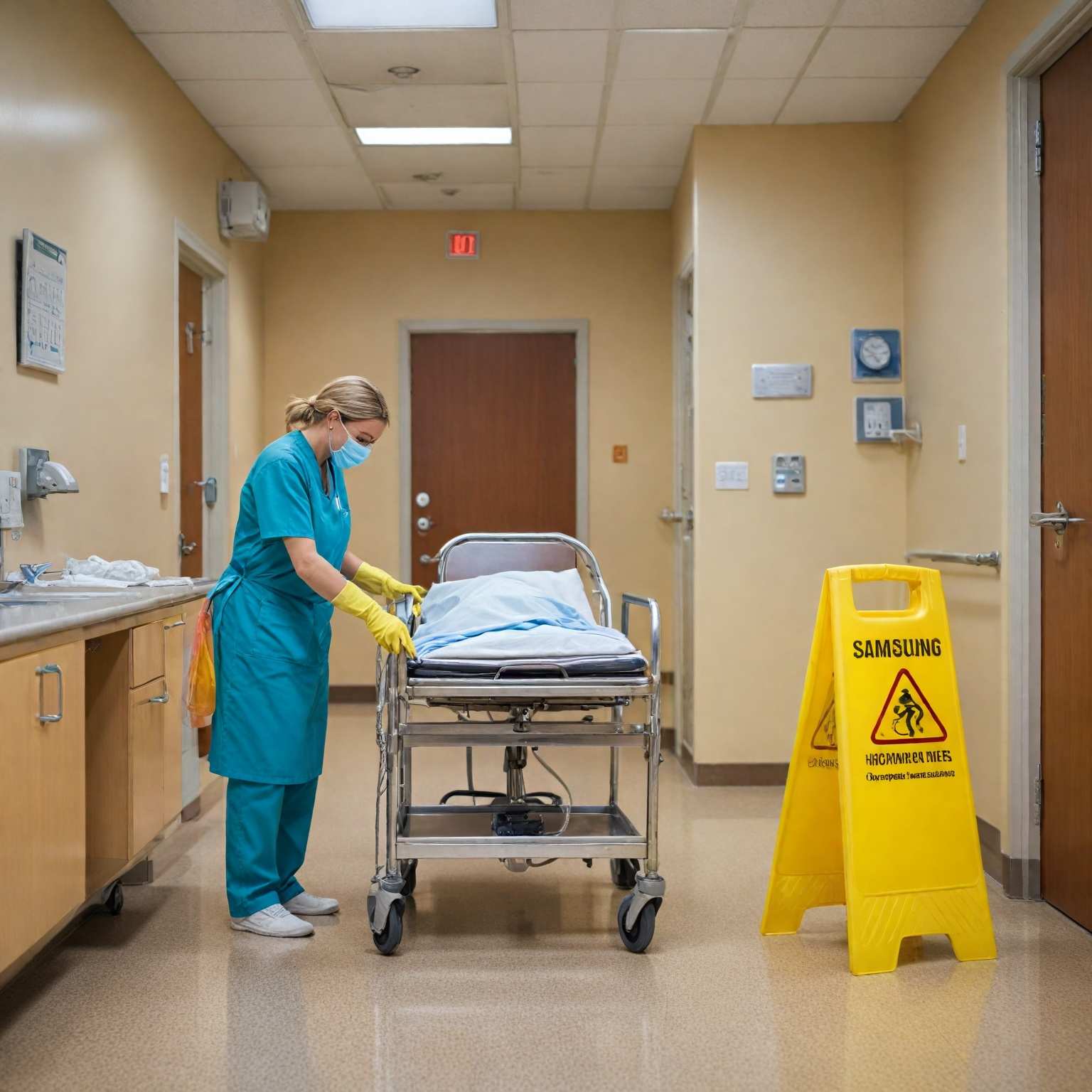
Cleaning hospital jobs involve maintaining cleanliness and sanitation in healthcare environments such as hospitals, clinics, and medical offices. Workers in these roles are responsible for cleaning a variety of areas, including patient rooms, operating theaters, bathrooms, waiting areas, hallways, offices, and public spaces to ensure a safe environment for patients, staff, and visitors. Their duties encompass general housekeeping tasks such as emptying trash, changing linens, making beds, disinfecting surfaces, sanitizing medical equipment, and properly disposing of waste.
A critical aspect of these jobs is adherence to strict health and safety protocols aimed at preventing the spread of infections within healthcare settings. This includes following infection control procedures, using specialized cleaning agents and disinfectant chemicals, and operating equipment like floor scrubbers. Due to the nature of hospital environments, cleaning staff must be reliable, manage their time effectively, and follow detailed procedural guidelines to support patient health and safety.
Hospital cleaning roles also present challenges such as managing hazardous materials, complying with stringent infection control standards, and working around patients and medical personnel without disrupting care. To mitigate these challenges, hospitals provide specialized training focused on safety practices, supply appropriate personal protective equipment, and maintain clear communication with healthcare teams to coordinate cleaning activities. This comprehensive approach ensures that cleaning staff play a vital role in infection prevention and maintaining a hygienic healthcare environment.
Additionally, studies have highlighted the potential health risks associated with chemical exposures among hospital cleaning workers, underscoring the importance of safe work practices and proper training in these roles.
Qualifications and Requirements
Hospital cleaning jobs require a combination of education, skills, and certifications to ensure a clean and safe environment for patients, staff, and visitors. Generally, candidates need at least a high school diploma or GED, with some employers preferring a one-year certificate from a college or technical school, along with related experience in cleaning or sanitation. Experience in controlled or critical environments such as hospitals, pharmaceuticals, or food production is often valued, and on-the-job training is typically provided.
Certifications play a significant role in validating expertise and improving career prospects. Examples include the Certified Environmental Services Supervisor (CESS) or Healthcare Housekeeping (HHH) designations, which require passing online quizzes and exams with a score of 80% or higher. These certifications demonstrate knowledge of infection control and healthcare sanitation standards, often including specialized cleaning protocols for patient care areas. Additionally, programs like the Certificate in Non-Acute Care Cleaning (CNACC) Train-the-Trainer (T3) prepare environmental services leaders to educate and lead cleaning staff effectively. Medical cleaning certifications, such as those offered by ISSA’s Healthcare Surfaces Institute (HSI), verify a cleaning company’s compliance with rigorous hygiene standards in healthcare settings, ensuring reduced infection risks.
Key skills for hospital cleaning personnel include reliability, teamwork, strong communication, attention to detail, and physical stamina. Familiarity with hospital-grade disinfectants, cleaning equipment, and infection control practices is beneficial. Personnel must often adhere to established protocols and regulations such as OSHA and other federal, state, and local laws to maintain a safe working environment. Some roles require the ability to handle isolation and discharge room cleaning and perform physically demanding tasks, including lifting up to 50 pounds and climbing ladders.
Many healthcare facilities offer benefits such as paid or unpaid time off in compliance with applicable laws. Career advancement structures and performance evaluations are increasingly integrated into environmental services departments to encourage professional growth and consistent adherence to cleaning and disinfection protocols. Overall, hospital cleaning jobs demand a balance of practical skills, formal education, and recognized certifications to maintain high standards of healthcare sanitation.
Job Responsibilities
Hospital cleaning staff play a vital role in maintaining a safe and hygienic environment essential for patient care and overall hospital operations. Their primary duties include cleaning patient rooms, nursing units, surgical areas, administrative offices, laboratories, waiting areas, restrooms, and other common hospital spaces to prevent the spread of infections and ensure a sanitary environment.
These workers must adhere strictly to complex cleaning and sanitation guidelines specific to healthcare settings, often following protocols set by organizations such as the CDC, OSHA, and The Joint Commission. Their tasks require proficiency with various cleaning agents, disinfectant chemicals, and specialized equipment such as floor scrubbers, alongside time management and reliability to complete their duties efficiently within designated shifts.
A key focus is placed on disinfecting high-touch surfaces—items and areas frequently contacted by patients, visitors, and staff—to mitigate the risk of pathogen transmission. Cleaning personnel are responsible for removing and properly disposing of soiled personal care items and linens, as well as inspecting and cleaning window treatments and other often-overlooked surfaces to maintain thorough cleanliness.
Additionally, hospital cleaning workers must comply with strict infection control procedures, including the segregation and safe disposal of biohazardous waste, sharps, and general refuse using color-coded containers in line with OSHA and EPA regulations. These measures help minimize infection risks and protect both patients and staff from exposure to hazardous materials.
Personal protective equipment (PPE) use is mandatory, with workers trained to follow PPE standards to safeguard against bloodborne pathogens, chemical hazards, and other occupational risks. Regular training and refresher courses ensure cleaning staff remain current with evolving safety guidelines and best practices in hospital sanitation.
Furthermore, handling hazardous chemicals requires careful attention to prevent acute and chronic health effects. Environmental monitoring and routine safety assessments are often implemented to evaluate exposure levels and reduce workplace chemical risks. This includes managing substances such as formaldehyde, organic solvents, anesthetic gases, and anticancer drugs commonly encountered in hospital settings.
Work Environment
Hospital cleaning jobs are performed in a dynamic and demanding environment that requires attention to detail, physical stamina, and adaptability. Workers typically maintain cleanliness and sanitation across a variety of areas within healthcare settings, including patient rooms, nursing units, offices, clinical areas, waiting rooms, lobbies, restrooms, corridors, elevators, and stairways. The work often involves long periods spent on foot, pushing cleaning equipment, and moving furniture, making physical fitness and endurance important qualities for employees.
Shift patterns in hospital cleaning roles vary widely, with both full-time and part-time opportunities available. Employees may rotate through different assignments that include patient care areas, operating theaters, public spaces, and specialized units to gain diverse experience and meet evolving hospital needs. Flexibility and the ability to adapt to changing priorities are essential attributes for hospital cleaners.
A critical aspect of the work environment involves the handling of potentially hazardous chemicals such as disinfectants, sterilants, detergents, solvents, and other substances used for infection control and sanitation. To minimize risks, hospitals provide specialized training on safety protocols, including proper use of personal protective equipment (PPE), emergency procedures, and engineering controls aimed at preventing chemical exposure. Workers must be vigilant in following cleaning protocols to prevent healthcare-associated infections (HAIs), especially in high-risk areas like emergency departments, where contamination risks are elevated due to patient conditions and high throughput.
Effective communication and coordination with medical staff are also important components of the hospital cleaning environment. Workers need adequate English language skills to understand instructions, report issues, and maintain accurate records in accordance with hospital procedures. The work environment demands a strong organizational approach and reliability, as well as continuous development through on-the-job training focused on infection control and safety.
Employment Opportunities and Career Growth
The healthcare industry in the United States is a vast and rapidly expanding sector, employing nearly 20 million people as of 2025 and encompassing a wide range of roles beyond traditional clinical positions, including environmental services (EVS) personnel responsible for hospital cleaning and maintenance. With the healthcare sector continuing to dominate the American job market, employment opportunities in hospital cleaning jobs remain robust, driven by increasing demand for high standards of cleanliness and infection control in patient care environments.
Environmental services staff play a critical role in maintaining the hygiene and safety of healthcare facilities, including tasks such as disinfection, sterilization, and waste management. These roles are essential not only for patient and staff safety but also for compliance with healthcare regulations and infection prevention protocols. Employment in this field can be found across various hospital types, including general and specialized institutions, and positions range from frontline cleaning associates to supervisory and management roles.
Career growth in hospital cleaning and environmental services is supported by structured training programs and certifications designed to enhance skills and knowledge. Organizations such as P&G Professional University offer comprehensive training modules that cover medical facility cleaning and disinfection processes, available in multiple languages to accommodate diverse workforces. Additionally, programs like those provided by Cleaning Masterclass and the International Executive Housekeepers Association (IEHA) focus on developing leadership and management competencies within EVS teams, further facilitating advancement opportunities.
As the healthcare sector faces ongoing challenges including workforce shortages and increased demand for qualified personnel, specialized recruitment services are increasingly connecting licensed professionals with hospitals in need of staffing support. Prospective employees are advised to emphasize meticulous attention to detail and adherence to proper cleaning protocols during the hiring process, particularly when engaging with hospital housekeeping supervisors who oversee staffing and operations.
Salary and Benefits
Hospital cleaning jobs in 2025 offer competitive wages that are generally in line with the national average for similar occupations. The average annual salary for a hospital cleaner in the United States is approximately $41,855, which equates to about $20 per hour. Earnings can vary significantly, with the top 10% of earners making up to $63,053 annually, while the typical pay range spans from $33,923 to $52,025 per year. Education level also impacts salary, as hospital cleaners holding an Associate degree tend to earn the highest average annual salary of $31,377, slightly more than those with a Bachelor’s degree, who earn around $31,171 annually.
Beyond wages, hospital cleaning associates often benefit from a range of employment protections and benefits designed to ensure a safe and supportive working environment. These include adherence to Occupational Safety and Health Administration (OSHA) standards as well as compliance with relevant federal, state, and local regulations. Employees may be eligible for paid or unpaid time off benefits consistent with applicable laws, which support work-life balance and recovery from workplace stress.
The growing importance of environmental services within healthcare settings is reflected in specialized certification programs. For example, the International Executive Housekeepers Association (IEHA) offers certifications that enhance the expertise of individuals managing and leading environmental services teams. These programs aim to expand knowledge related to maintaining clean and healthy hospitals, thereby contributing to the well-being of staff, patients, and visitors.
Impact of Technology on Cleaning Jobs
Advancements in technology have significantly transformed cleaning jobs in hospital settings, enhancing both efficiency and safety for cleaning staff. One of the most notable innovations is the integration of autonomous robotic floor scrubbers. These robots are equipped with advanced sensors, intelligent navigation systems, and mapping capabilities, allowing them to clean hospital floors autonomously and with high precision. They can be programmed to clean specific areas at scheduled times and are often compatible with building management systems to optimize cleaning operations. The use of robotic floor scrubbers reduces the risk of human error and improves overall cleaning consistency, contributing to safer and more hygienic hospital environments for patients, staff, and visitors.
In addition to autonomous cleaning devices, robotic systems often incorporate sophisticated data analytics features. These systems collect real-time data on cleaning performance, operational efficiency, and usage patterns, providing facility managers with valuable insights to further enhance cleaning protocols and resource allocation. Real-time monitoring via mobile applications enables tracking of cleaning progress and consumable status, allowing for timely interventions and optimized maintenance schedules.
While technology automates many cleaning tasks, human workers continue to play a critical role, particularly in handling hazardous chemicals and specialized cleaning processes. Proper training remains essential for staff to safely operate cleaning equipment, manage chemical exposures, and adhere to infection control protocols. Training programs, including those offered by industry leaders and professional organizations, focus on equipping cleaning personnel with knowledge about safe work practices, use of personal protective equipment (PPE), and emergency procedures related to chemical hazards.
Health and Safety Regulations
Health and safety regulations in hospital cleaning are critical to protecting healthcare workers, patients, and visitors from infectious diseases and occupational hazards. These regulations are established and enforced primarily by agencies such as the Occupational Safety and Health Administration (OSHA) and the Centers for Disease Control and Prevention (CDC), ensuring compliance with rigorous standards for infection control and workplace safety.
A key component of these regulations is adherence to OSHA’s Bloodborne Pathogens Standard, which mandates procedures to minimize exposure to infectious materials. Cleaning staff must follow strict protocols for handling and disposing of biohazardous waste, sharps, and general waste using color-coded containers to prevent contamination and injury. Additionally, personal protective equipment (PPE) is essential for safeguarding workers against bloodborne pathogens and other hazards. Facilities are required to maintain appropriate PPE availability, provide training on its correct use, and enforce its consistent application to reduce infection risks.
Hospitals are also expected to implement comprehensive chemical hygiene plans addressing the safe use, storage, and disposal of cleaning agents and disinfectants. Such plans help mitigate the risks associated with handling hazardous detergents and chemicals, thereby protecting staff from chemical exposures. Moreover, environmental monitoring plays a vital role in prevention strategies by quantifying workers’ exposure to chemical hazards, enabling the development of data-driven safety protocols and emergency response measures.
Tips for Job Seekers
When seeking employment in hospital cleaning positions, it is crucial to create a well-crafted job application to attract potential employers and highlight relevant qualifications. Using specialized job search tools like Career Scout can increase your chances of getting hired by 38% compared to standard applications, providing a competitive edge in the job market.
Prospective hospital cleaners should emphasize their strong knowledge of cleaning techniques and equipment, as well as their familiarity with safety protocols related to hospital environments. Hospitals prioritize candidates who understand the importance of infection control, as these roles are vital to maintaining sanitation in patient rooms, operating theaters, and other critical areas.
English language proficiency is often necessary to comprehend written and oral instructions, follow hospital procedures, and communicate effectively with supervisors and healthcare teams
The content is provided by Avery Redwood, Direct Bulletins