Highlights
- The ASPCA's innovative adoption programs connect thousands of animals with loving homes annually.
- Support the ASPCA's mission by exploring ways to engage with their adoption initiatives.
Summary
The ASPCA, founded in 1866, is the first and leading non-profit organization in the United States dedicated to preventing animal cruelty and promoting animal welfare. With over 160 years of experience, it focuses on rescuing and rehabilitating animals in need, emphasizing pet adoption, advocacy, and educational programs. The organization connects thousands of pets with loving homes through its comprehensive adoption programs, which include physical centers like its flagship facility in New York City and foster-based models, particularly in Los Angeles, enabling broader access to potential adopters.
Its commitment to animal welfare encompasses behavioral rehabilitation for animals rescued from cruelty, ensuring they are better prepared for adoption. To enhance placement efforts, the ASPCA maintains a national database of adoptable animals and partners with municipal shelters and rescue groups, providing essential support which includes funding and training. While the ASPCA celebrates many successes, it also faces challenges such as resource allocation and public scrutiny of policies, all while continuously innovating and collaborating to improve animal welfare across the country.
Overview of the Organization
The ASPCA has a long history of impact in animal welfare, establishing itself as a key player in protecting animals nationwide. Through innovative solutions and partnerships, it supports over 4,000 animal shelters, agencies, and rescue groups with significant funding, enhancing their capacity to care for animals in need. The ASPCA serves as an advisor, helping improve shelter practices and encouraging educational initiatives to promote better treatment and care for animals in local communities.
This collaborative approach not only saved countless lives but also adapts to societal changes affecting animal welfare. By focusing on comprehensive strategies, the ASPCA aims to mitigate animal suffering and continuously meet the evolving needs of vulnerable populations across the United States.
Pet Adoption Programs
The ASPCA offers diverse pet adoption programs tailored to bridge the gap between animals and potential adopters. Prospective adopters are required to be at least 18 years old and must provide valid identification and proof of residence if necessary. The comprehensive process facilitates a good match, including requirements for household compatibility and landlord permissions for pet ownership.
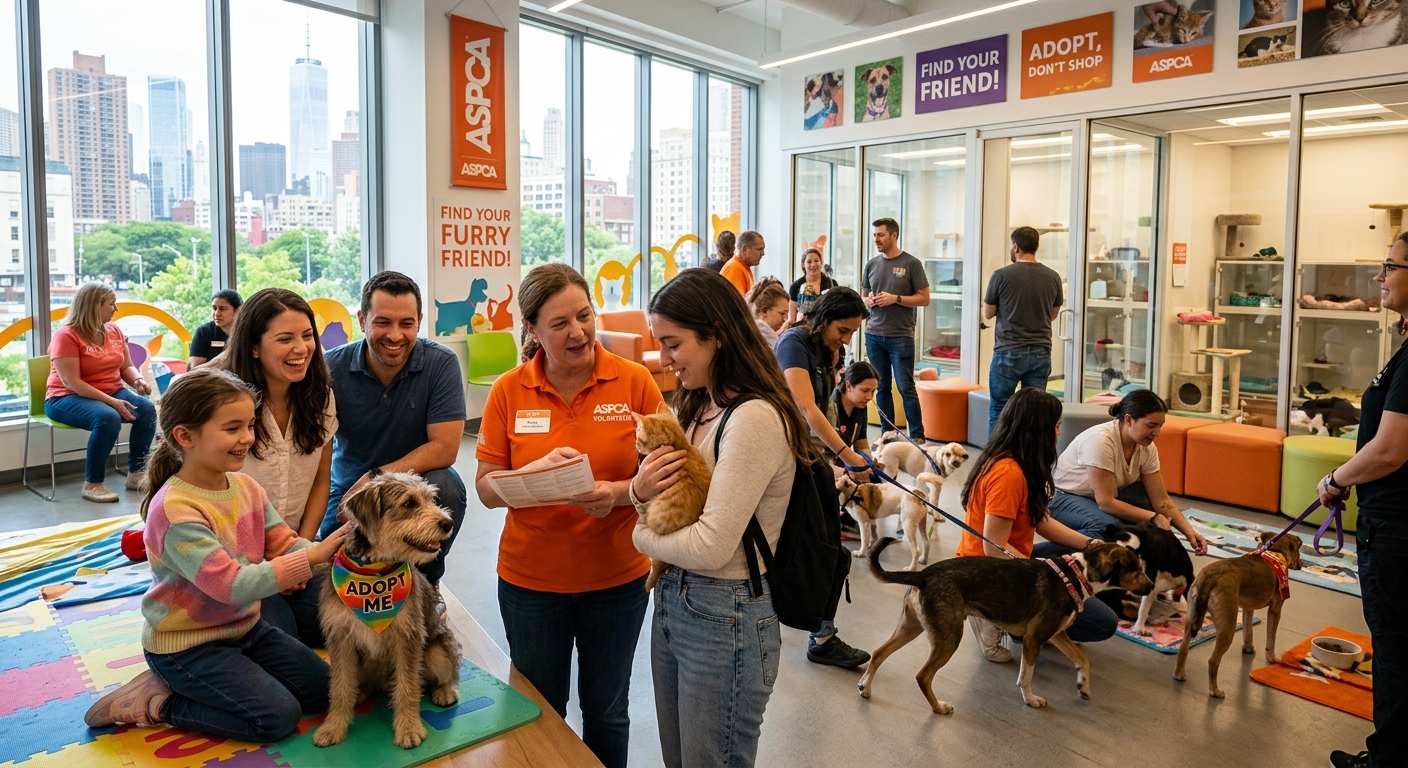
Located in New York City, the ASPCA Adoption Center showcases various animals, including cats, dogs, and barn animals, while inviting contributors to support their care through suggested adoption fees. Seasonal promotions, especially for kittens, make it easier for these vulnerable animals to find homes. The foster-based program in Los Angeles uses Adoption Ambassadors to enhance the matching process, while intensive behavioral rehabilitation assists animals from cruelty cases to improve their adoptability.
Interested adopters can start by submitting an online application, which is reviewed promptly to streamline the adoption procedure. This method incorporates technology for interviews and approvals, aiming to minimize foot traffic, and allowing an efficient transition for adopters and pets alike.
Finding and Accessing Pets
The ASPCA facilitates the search for adoptable pets through a national database, allowing potential adopters to locate animals from various shelters and rescue organizations nearby. Interested parties are encouraged to visit the specific organization’s website to complete their applications and learn about individual adoption processes, which often include online application options and insights into the personalities and needs of available animals.
Engaging tools like the Meet Your Match assessment and color-coded cage cards enhance the adoption experience by ensuring compatibility between adopters and pets. ASPCA staff remain available throughout the adoption journey to assist with necessary documentation and may even offer trial adoptions for added assurance in decision-making.
Preparing for Adoption
Before adopting a pet, careful preparation and planning are crucial to ensure readiness for the responsibilities involved. Prospective adopters should reflect on their lifestyles and assess whether they can accommodate a pet with time, space, and necessary resources to provide a nurturing environment. The ASPCA highlights the importance of creating a secure and comfortable home that caters to the individual needs of the chosen animal.
Additionally, the organization stresses that pets should not be adopted as gifts, underscoring the importance of a committed relationship. Resources are available to help individuals locate local shelters and submit adoption applications, ensuring a smoother transition into pet ownership.
Post-Adoption Support and Resources
New pet owners must prioritize regular veterinary care to ensure their pet’s health and well-being after adoption. This includes establishing connections with local veterinarians for routine checkups and preparing for potential medical emergencies. While veterinary expenses can grow, options like ASPCA Pet Health Insurance can help manage costs, making it easier for owners to navigate their new responsibilities.
The ASPCA remains committed to supporting shelters and welfare organizations, offering training and resources to enhance behavioral programs, particularly for animals needing rehabilitation. Their partnerships enable continuous improvements in care and successful placements, ultimately contributing to better outcomes for pets across the country.
Operations of Affiliated Shelters
Affiliated shelters operate under comprehensive intake policies aimed at optimizing care for animals. These protocols include directing owner-surrendered animals to ensure shelter space is maximized, managing stray returns, and providing access to veterinary resources. The goal is to expedite reunification with pet owners while promoting positive adoption outcomes.
The ASPCA facilitates this through advisory services that enhance shelter behavior programs and implement innovative practices to improve the overall experience for both animals and potential adopters. By implementing remote adoption models and ensuring proper support, affiliated shelters strive for meaningful, lasting matches that benefit the community and fulfill each animal’s needs.
Policies on Animal Welfare
The ASPCA has a historical commitment to animal welfare, actively working to reduce suffering and increase adoption rates. Their mission focuses on preventing cruelty through advocacy, research, and partnerships aimed at minimizing the number of animals entering shelters. Transparency in policies related to euthanasia is emphasized to build public trust while ensuring humane practices are upheld across all affiliated organizations.
The ASPCA promotes humane euthanasia methods as the safest, most compassionate options and supports high standards within the veterinary community. By prioritizing ethical treatment and reducing barriers to adoption, they encourage a culture of responsibility around pet ownership and care, ultimately enhancing animal welfare nationwide.
Success Stories and Impact
The ASPCA’s legacy includes remarkable achievements in animal welfare, showcasing their proactive stance in improving lives through focused initiatives. Their collaborative approach has led to innovative programs like Feline-ality, which enhances communication between shelter staff and adopters, resulting in better matches and increased cat adoption rates. This commitment to adapting practices showcases the ongoing impact of the ASPCA in addressing the ongoing challenges within the sector.
Frequently Asked Questions
How do I start the pet adoption process?
Begin the adoption process by completing either a Specific Pet survey for a particular animal or a General Process survey to explore options. This allows you to learn more about specific pets and provides important information to help match you with a suitable companion. After your application is processed, adoption papers can be signed, enabling you to bring your new pet home immediately.
What should I expect when I arrive for adoption?
Upon arrival, you will fill out an adoption questionnaire, which may require references if you have other pets. This step ensures a thorough vetting process to find the right match for both the pet and your household.
Will I receive updates or notifications after submitting my information?
Your information may be used to keep you updated about website changes, new services, or special offers that could be beneficial in your pet adoption journey.
The content is provided by Avery Redwood, Direct Bulletins