Highlights
- Explore cost-effective tree removal solutions to ensure affordability and safety in 2025.
- Learn sustainable practices that minimize environmental impact while enhancing your property's value.
Summary and Key Considerations for Tree Removal in 2025
This guide outlines affordable, safe, and environmentally responsible tree removal options for 2025. Tree removal requires professional expertise, specialized equipment, and careful planning to ensure safety and minimize environmental impact. Costs depend on tree size, species, health, site conditions, and local regulations. Sustainable practices like directional felling and wood recycling are emphasized to protect ecosystems. Safety risks of DIY removal highlight the importance of licensed professionals. Cost-saving strategies include off-peak scheduling, negotiating bundled services, and self-managing debris cleanup. Awareness of local permits and ordinances is crucial to avoid fines and ensure compliance.
Tree Removal Process and Cost Factors
Tree removal involves careful assessment, specialized tools, and professional skills to avoid damage and ensure safety. Tree size, health, and species influence removal cost, with larger or unstable trees requiring more resources. Environmental and site challenges, such as proximity to buildings or steep terrain, also raise costs, as do urgent removals. Additional services like stump removal and debris cleanup add expenses, but handling cleanup independently can save money. Local regulations often require permits and may restrict removal of significant trees, affecting project feasibility and costs.
Affordable Removal Strategies and Safety
To reduce costs, schedule removal during off-peak seasons, negotiate with providers, or handle debris yourself. Removing multiple trees in one visit can secure discounts. Hiring professionals is strongly recommended due to the risks of injury and property damage inherent in DIY removal, especially near buildings or power lines. Professionals provide expertise, safety equipment, and insurance coverage, ensuring efficient and secure work.
Techniques and Equipment
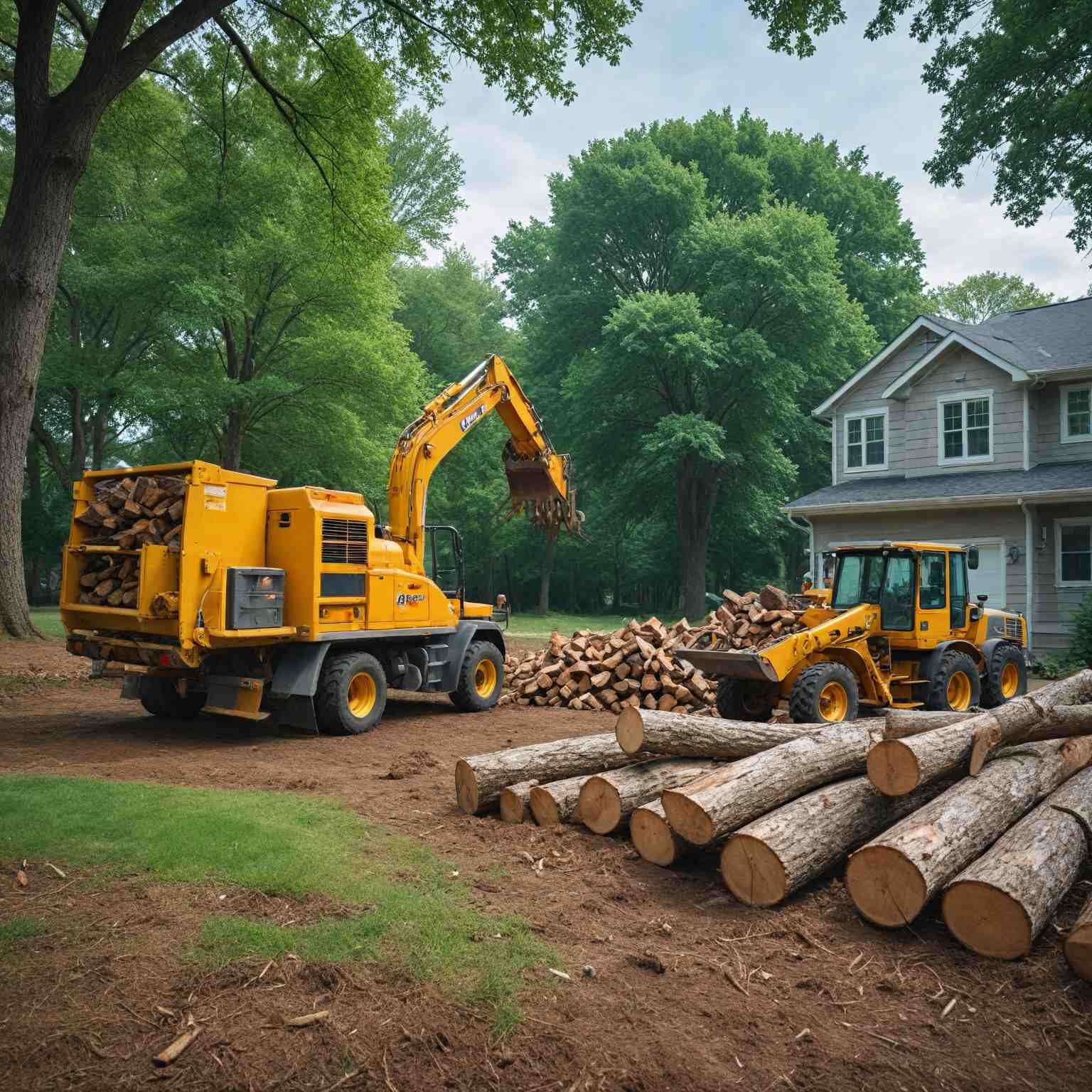
Common removal methods include traditional felling for open areas, rigging with ropes for confined spaces, crane-assisted removal for large or precarious trees, and directional felling to minimize environmental damage. Equipment includes chainsaws, hand saws, climbing gear, bucket trucks, excavators, and debris handling tools. Selecting appropriate techniques and tools is essential for safety and efficiency.
Species-Specific Challenges
Tree species vary in wood density, root systems, and debris, affecting removal difficulty and cost. Hardwoods like oak and maple require more effort and specialized equipment, while some species produce problematic debris. Understanding these factors aids in planning and budgeting.
Environmental and Safety Considerations
Tree removal impacts wildlife habitats, soil health, and biodiversity. Sustainable practices include assessing necessity, preserving habitats, directional felling, using eco-friendly equipment, and recycling wood waste. Safety is paramount, especially when removing storm-damaged trees or those near power lines. Techniques like rigging and crane removal enhance safety by controlling tree section lowering and minimizing worker risk.
Regulations and Community Guidelines
Tree removal in 2025 is regulated by local ordinances that often require permits for trees over certain heights and enforce protections for landmark trees. Compliance involves understanding permit fees, replacement requirements, and safety standards. Urban development pressures necessitate balanced regulations to protect community tree canopies while respecting property rights.
Choosing a Tree Removal Service
Select licensed, insured professionals with positive reviews to ensure safe and compliant removal. Verify certifications and obtain detailed quotes to avoid unexpected costs and legal issues.
Frequently Asked Questions
Q1: Affordable options include hiring local licensed professionals, seeking package deals, off-season scheduling, and community programs.
Q2: Ensure safety by choosing insured companies with certifications and good reviews.
Q3: Stay informed about local permits and regulations to ensure compliance.
Q4: Off-season removal in late fall or early winter often reduces costs.
Q5: Prepare property by clearing access, marking utilities, and informing neighbors.
The content is provided by Blake Sterling, Direct Bulletins