Highlights
- Access to affordable senior housing is crucial for older adults with limited incomes.
- Emerging trends focus on improving design and technology for better resident wellness and efficiency.
Summary and Overview
Affordable housing for seniors in 2025 focuses on providing safe, accessible, and income-based options. Key federal programs like HUD’s Section 202 and the Low-Income Housing Tax Credit (LIHTC) help cap rents and encourage private investment. State and local policies, especially zoning laws, significantly affect housing availability, with some states relaxing restrictions to increase affordable options. Besides traditional income-based housing and vouchers, alternative models such as cooperative housing and adult family homes promote community and independence. Supportive services and accessible design enhance seniors’ quality of life, though challenges like long waits, limited accessible units, and administrative barriers persist. Emerging design innovations and evolving policies aim to improve access and resident wellness.
Affordable Housing Options and Eligibility
Senior housing options include HUD Section 202 apartments with rents at about 30% of adjusted income, LIHTC developments, Section 8 vouchers for private market rentals, cooperative housing, and age-restricted communities offering below-market rents and tailored amenities. Additional models include adult family homes and naturally occurring retirement communities emphasizing accessible design and social engagement.
Eligibility generally requires seniors aged 62+ with incomes at or below set percentages of Area Median Income (AMI). Applications involve long waiting lists and can be submitted online through Public Housing Authorities. Veterans and other special populations have additional support. Despite these programs, supply remains limited, with fewer than 1% of units wheelchair accessible.
Funding and Financial Models
Funding relies mainly on federal programs like LIHTC, which incentivizes private investment through tax credits tied to affordable housing development, and HUD’s Section 202 program providing supportive services. State and local governments allocate funds based on community needs and oversee applications for nonprofits and developers. Financial models assess project viability through detailed metrics, with positive outlooks driven by rising demand and occupancy, despite labor and insurance cost pressures.
State and Local Policy Impact
Zoning laws at the local level often restrict affordable senior housing by limiting multifamily developments, raising costs, and contributing to segregation. States like California have passed laws allowing increased housing density to address these issues. Local reforms, such as reducing parking requirements, also support affordable senior housing. However, zoning protections vary widely, complicating access across jurisdictions. Federal initiatives aim to develop best practices to reduce barriers and increase accessible unit availability.
Challenges in Accessing Affordable Senior Housing
Seniors face long wait times, affordability issues, discrimination, and administrative hurdles. Although federal laws mandate accessibility and prohibit discrimination, only a small fraction of housing is wheelchair accessible. Costs for modifications are often prohibitive. Restrictive zoning and land-use policies further limit new affordable housing construction, prolonging these challenges.
Supportive Services and Amenities
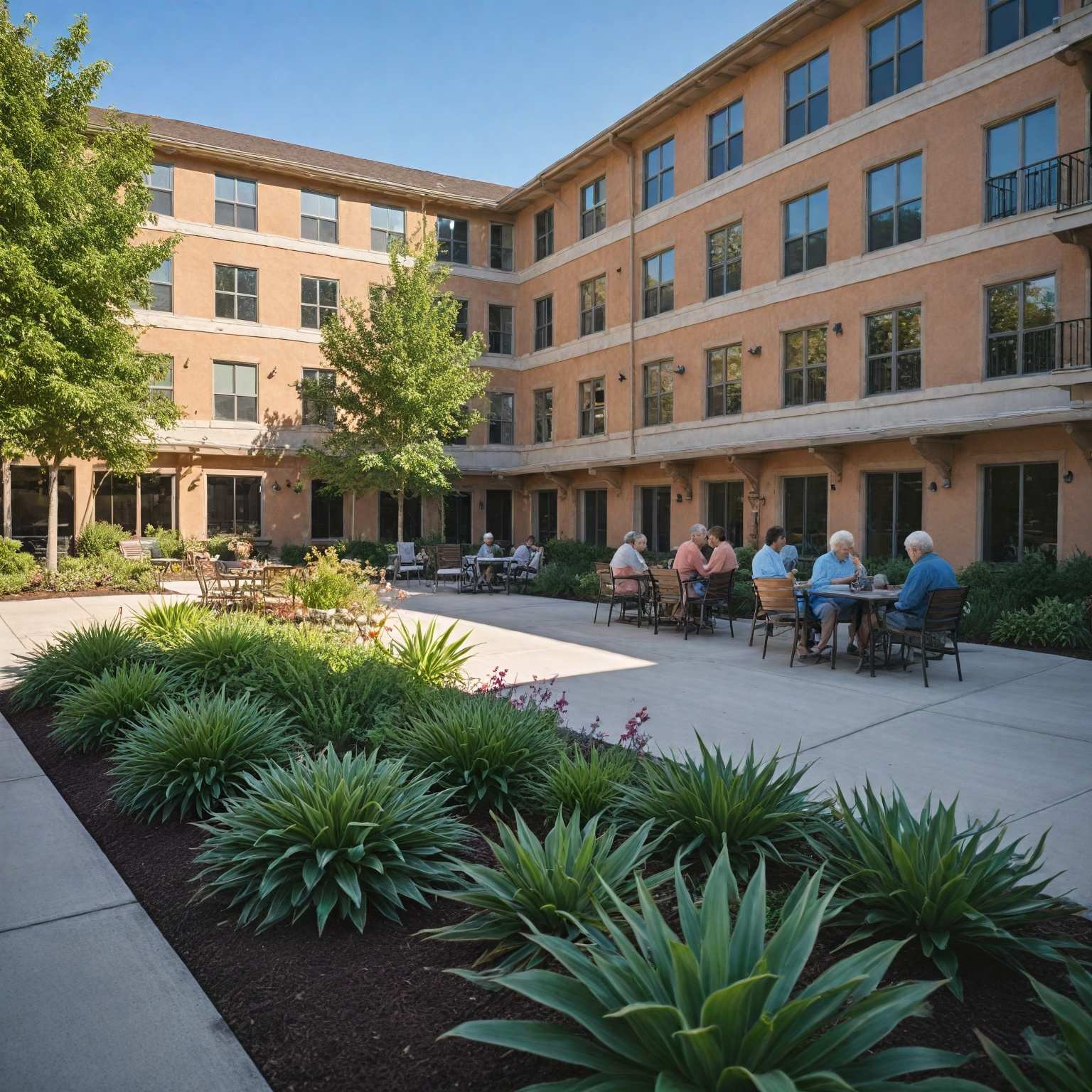
Affordable senior housing communities often provide amenities like fitness centers, theaters, and wellness programs to promote social engagement and health. Services include transportation, meal programs, safety modifications, and specialized support for veterans. Technological innovations enhance safety and connectivity, while legal standards set minimum accessibility requirements. However, ongoing advocacy seeks broader implementation to better meet seniors’ needs.
Design Innovations
Innovations focus on technology integration, flexible living spaces, wellness amenities, sustainability, and accessibility. Developments incorporate energy-efficient systems and eco-friendly materials to reduce costs and environmental impact. Compliance with accessibility laws guides design, while advocacy promotes expanded resources to support seniors with disabilities and enhance community connections.
Future Trends and Policy Initiatives
Demand for affordable senior housing is growing amid limited supply and rising costs. Industry leaders emphasize data-driven and innovative approaches to meet evolving resident needs. Policy shifts at federal, state, and local levels will shape affordability, with nonprofits and alternative housing models playing key roles. Anticipated federal budget cuts increase reliance on local and state strategies to ensure housing access for seniors and people with disabilities, underscoring the need for collaboration and innovation.
Resources and Support Organizations
Support comes from faith-based groups, veterans’ services, HUD, and Public Housing Authorities, which facilitate application processes and manage assistance programs. State and local agencies allocate funds and oversee housing initiatives. Trade organizations advocate for policy measures affecting senior housing. Together, these entities form a network aiding seniors in securing affordable housing and accessing supportive services.
The content is provided by Avery Redwood, Direct Bulletins