Highlights
- The 2026 Duster combines modern features with practical affordability and hybrid power options.
- With advanced safety improvements and sleek design, it’s a compelling choice for budget-conscious buyers.
Overview and Design
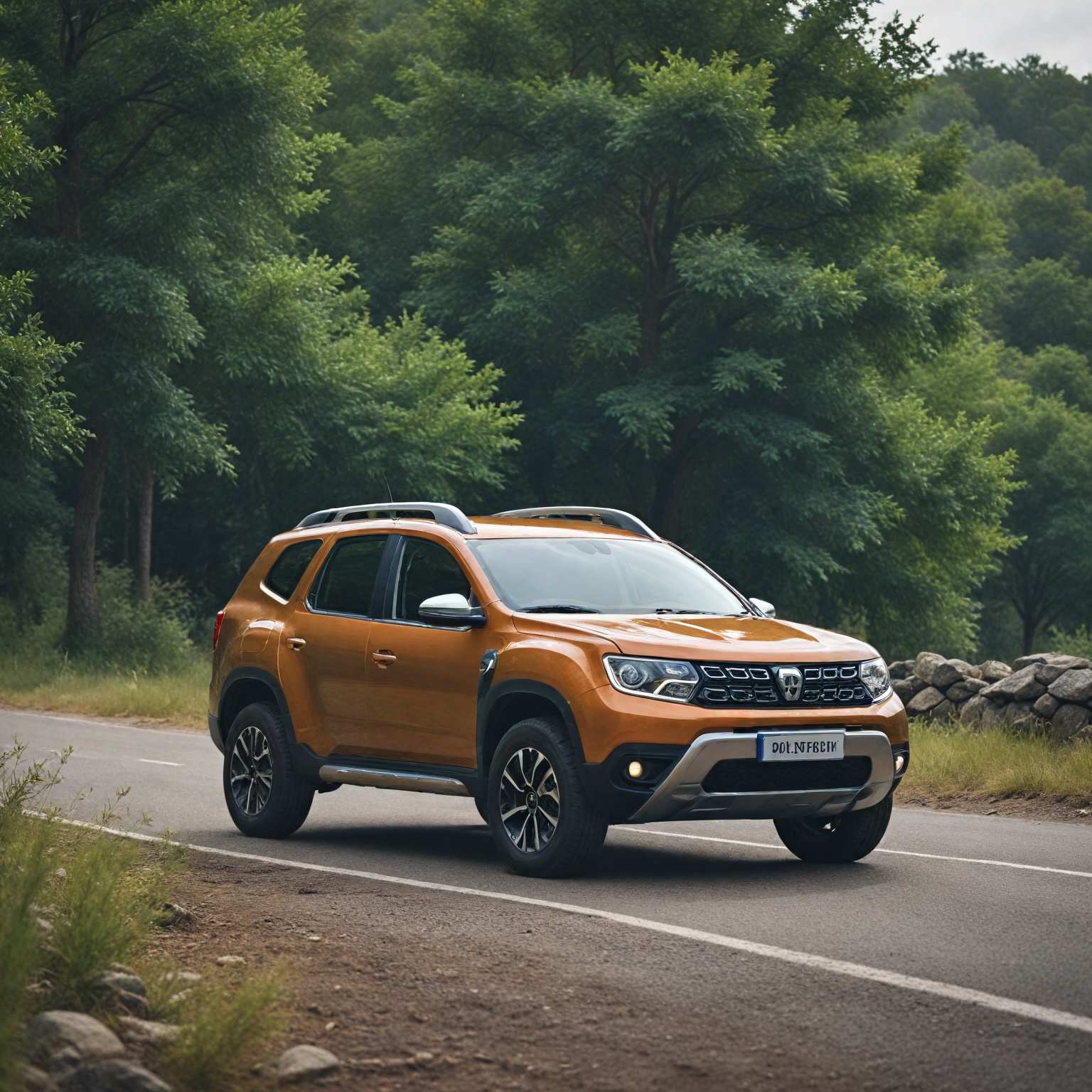
The 2026 Dacia Duster is the third-generation compact SUV from Romanian manufacturer Dacia, part of the Renault Group. It introduces a modernized platform, enhanced technology, and hybrid powertrains, built on Renault’s CMF-BEV platform for electrification. The design closely follows the 2021 Bigster concept, featuring Y-shaped LED lights, 18-inch alloy wheels, and a redesigned interior with a minimalist dashboard, a 10.1-inch touchscreen, and digital instrument cluster. Multiple trims offer hybrid options and advanced safety systems, maintaining Dacia’s focus on affordability and practicality.
Specifications and Powertrains
The Duster measures 4344 mm in length, 1813 mm in width (1921 mm with mirrors folded), and 1616 mm in height, with a 2657 mm wheelbase. Boot capacity ranges from 474 to 1609 litres. New powertrains include a hybrid 155 system combining a 109 bhp petrol engine with two electric motors and a 1.4 kWh battery, using an automatic electric gearbox. Petrol options include a 130 hp 1.2-litre mild-hybrid engine with manual or automatic transmissions and two- or four-wheel drive.
Safety and Infotainment
All trims come with six airbags, a 7-inch digital instrument cluster, and a 10-inch touchscreen with smartphone mirroring. Standard safety features include ABS with EBD, parking, light, and rain sensors. The 2026 model improves occupant protection by standardizing key safety equipment globally. Infotainment upgrades feature wireless Android Auto and Apple CarPlay, a 6-speaker Arkamys system, wireless charging, and automatic climate control. Entry-level models retain analogue instruments and steel wheels for simplicity.
Variants and Platform
The Duster is available in Essential, Expression, Journey, and Extreme trims globally, with Turkey offering Evolution and Techno trims. The Extreme trim adds copper accents and black 18-inch wheels, while Journey features exclusive upholstery. Hybrid powertrains and adaptive cruise control are standard on higher trims. The CMF-BEV platform also underpins other Dacia models like the Bigster, Jogger, Logan, and the Duster Pick-Up, supporting gasoline, mild hybrid, hybrid, and LPG variants.
Market Positioning and History
Since its 2010 launch, the Duster has been popular in Europe, Turkey, Algeria, and Morocco, offering competitive pricing and versatility. It has expanded into 4×4 and pick-up segments and improved quality under Renault’s ownership. The 2026 model reflects Dacia’s strategic shift towards electrification and sustainability through the CMF-BEV platform. The Duster has consistently succeeded by providing a rugged, affordable compact SUV aligned with evolving market demands.
Production and Competitors
The Duster is produced in Brazil, Colombia, and Russia to serve various markets, with significant sales growth since its introduction. It competes in the compact SUV segment by combining affordability with modern technology and multiple powertrain options, including hybrids. This versatility and value positioning help Dacia maintain a strong presence internationally against established competitors, appealing to budget-conscious buyers seeking practicality without premium pricing.
The content is provided by Sierra Knightley, Direct Bulletins