Highlights
- Understand your rights and regain control during police impoundment with our comprehensive guide.
- Navigate the complexities of vehicle reclaiming by exploring essential procedures and preventive measures.
Summary
Complete Guide to Police Impound Pickups: What You Need to Know addresses critical aspects of the vehicle impoundment process that affect vehicle owners. This guide demystifies the impoundment procedure, covering essential steps such as owner notification and the necessary requirements for reclaiming a vehicle. Understanding your rights, including the right to challenge impound actions, is crucial to navigating this often challenging process.
Overview of Vehicle Impoundment
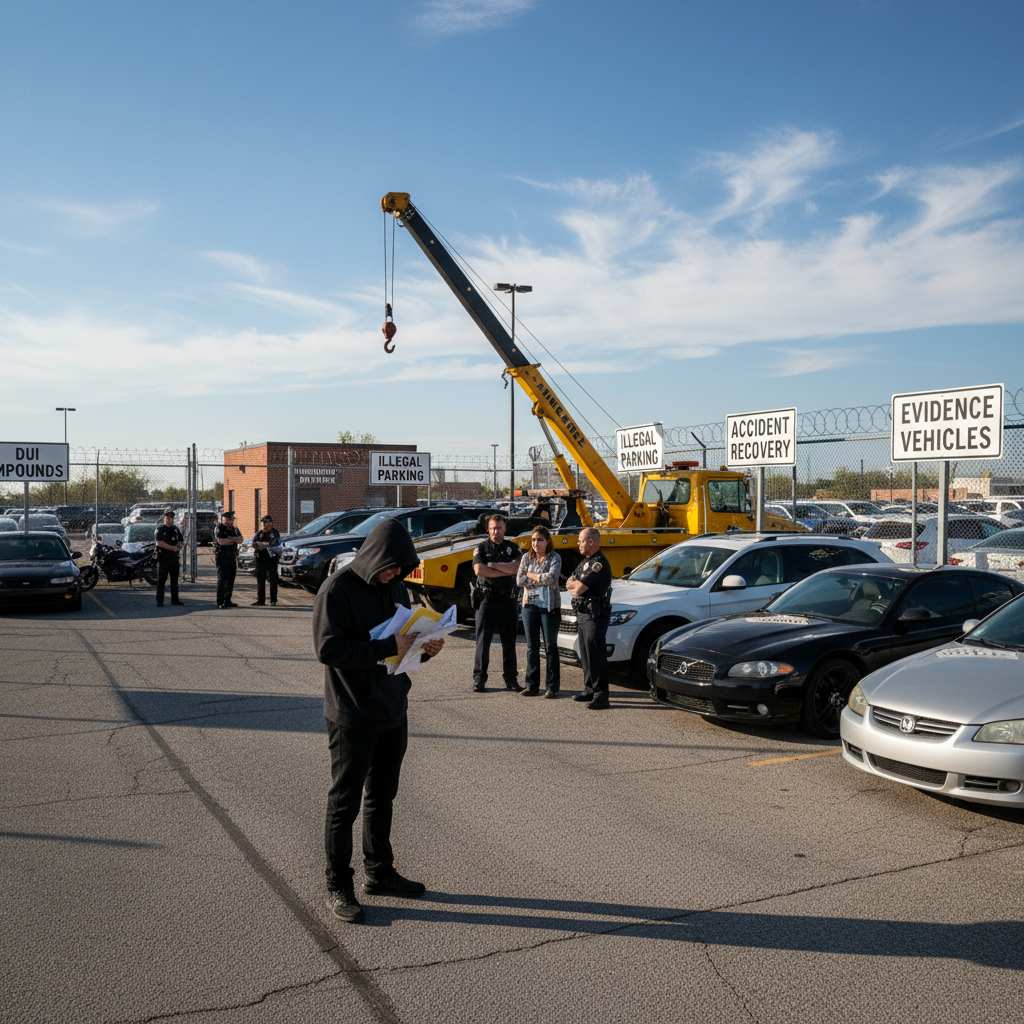
Vehicle impoundment involves law enforcement taking possession of a vehicle for various reasons, including illegal parking or involvement in crime. The impoundment process aims to enhance public safety by removing unsafe vehicles from the roads. Following impoundment, owners must be notified of their vehicle’s location and the conditions for retrieval to protect their rights and provide clarity on their obligations.
Police Impound Procedures
Law enforcement impounds vehicles under specific circumstances, typically defined by local regulations. Notification to the owner is mandatory, generally occurring via mail within 24 hours, outlining how to retrieve the vehicle and associated costs. Understanding this process helps owners act quickly to avoid additional fees or penalties.
Notification of Impoundment
Once a vehicle is impounded, the owner is notified of its status, including details on how to reclaim it. Timely notification is crucial because failure to respond can lead to increased fees or auctioning of the vehicle. Knowing this timeline allows owners to act promptly and potentially avoid losing their vehicle entirely.
Inventory Search and Vehicle Handling
When a vehicle is impounded, an inventory search is performed to document its contents, which serves to protect both the owner’s property and the agency’s liability. Understanding that this search is routine and does not imply wrongdoing may help ease any concerns about the implications of having a vehicle impounded.
Redeeming an Impounded Vehicle
To reclaim a vehicle, owners must provide proof of ownership and pay any pertinent fees. Authorized agents can also retrieve vehicles if they possess proper documentation. It is essential to grasp these requirements to facilitate an efficient return of the vehicle while minimizing potential roadblocks or additional charges.
Special Considerations
In certain cases, vehicle owners may extend impound durations by notifying authorities when applicable. Understanding how to communicate with law enforcement about a vehicle’s status can help protect ownership interests and prevent hasty impoundment actions.
Vehicle Owner’s Rights and Legal Considerations
Post-impoundment, vehicle owners have legally protected rights to appeal and reclaim their vehicles. Familiarizing oneself with these rights can empower owners to effectively challenge what they perceive as unjustified impoundments.
Right to Notification and Redemption
Vehicle owners must be notified of impound actions and provided with clear instructions for redemption. Gaining clarity on what constitutes proper notification can greatly influence the outcome of retrieval efforts and help mitigate frustration during the process.
Right to Request a Hearing
Owners are entitled to request an administrative hearing to contest the validity of the impoundment. Filing within the provided timelines is critical; otherwise, owners may lose their opportunity to challenge the action altogether. Recognizing these time-sensitive rights can help prevent any unintentional forfeiture of legal recourse.
Due Process and Legal Standards
The legal framework governing vehicle impoundment emphasizes the need for fair treatment and proper notifications. The requirement for post-deprivation notice and an opportunity for a hearing helps ensure vehicle owners can defend their rights effectively and assert their claims in a structured environment.
Consequences of Noncompliance and Auction Sales
Failure to act promptly regarding hearings or fees can result in losing the right to contest and ultimately lead to vehicle sales. Understanding these ramifications reinforces the importance of staying informed and responsive during the impoundment process.
Retrieving an Impounded Vehicle
Retrieving an impounded vehicle involves providing appropriate documentation and fulfilling payment obligations. Being aware of the required steps simplifies the retrieval process for owners and authorized representatives.
Required Documentation
To retrieve a vehicle, owners typically need proof of ownership and valid insurance. Ensuring that all documentation is current and readily available can significantly reduce delays during the recovery process.
Notification and Initial Steps
Following impoundment, owners receive detailed written notifications outlining how to locate their vehicle. Prompt contact with the impound lot or police department is advisable to ensure a smooth retrieval, highlighting the importance of being proactive in managing the situation.
Payment of Fees
Before reclaiming an impounded vehicle, owners must pay all incurred fees. Understanding the potential for daily fee accumulation can serve as a motivator to expedite the recovery process and avoid further financial burdens.
Hearings and Appeals
If an owner believes the impoundment lacks justification, they can contest it via a scheduled hearing. Recognizing the right to an appeal emphasizes the importance of addressing any concerns regarding the impoundment in a formal setting.
Special Considerations
Authorized agents can act on behalf of the vehicle owner, provided they present appropriate authorization. Understanding how to delegate retrieval can ease the burden on the owner while still ensuring the vehicle is recovered in compliance with the law.
Common Situations Leading to Impoundment
Vehicles may be impounded for various violations, including illegal parking and driving offenses. Recognizing common violations can help owners avoid situations that may result in towing and impoundment.
Preventing Vehicle Impoundment
Compliance with local laws and regulations is key to preventing impoundment. Ensuring valid insurance, maintaining proper documentation, and promptly addressing any notices can significantly reduce the risk of vehicle towing.
Resources and Contact Information
Effective communication with the impound lot or law enforcement can clarify the retrieval process. Maintaining records of all relevant interactions and understanding available support resources can aid owners in effectively managing their vehicle’s impoundment.
The content is provided by Blake Sterling, Direct Bulletins