Highlights
- Permethrin is essential for pest control, safely treated under strict regulatory guidelines.
- Explore alternative treatments if you experience sensitivity or resistance to permethrin.
Summary
Permethrin, a synthetic pyrethroid insecticide, is effective against various pests, including lice and mites, by disrupting their nervous systems. Its topical forms, such as the 5% cream for scabies and 1% lotion for lice, vary in availability across countries, influencing your choice based on local regulations. While generally low in toxicity to mammals, permethrin poses environmental risks, especially to aquatic life, prompting regulatory frameworks to manage its safe usage.
Understanding Permethrin
As a widely used insecticide and acaricide, permethrin disrupts the nervous systems of pests, making it highly effective while remaining relatively safe for most mammals. However, cats are notably more sensitive due to their slower metabolism. Permethrin comes in various formulations—such as creams, sprays, and powders—accommodating uses in agriculture, veterinary, and medical fields.
Product Availability and Formulations
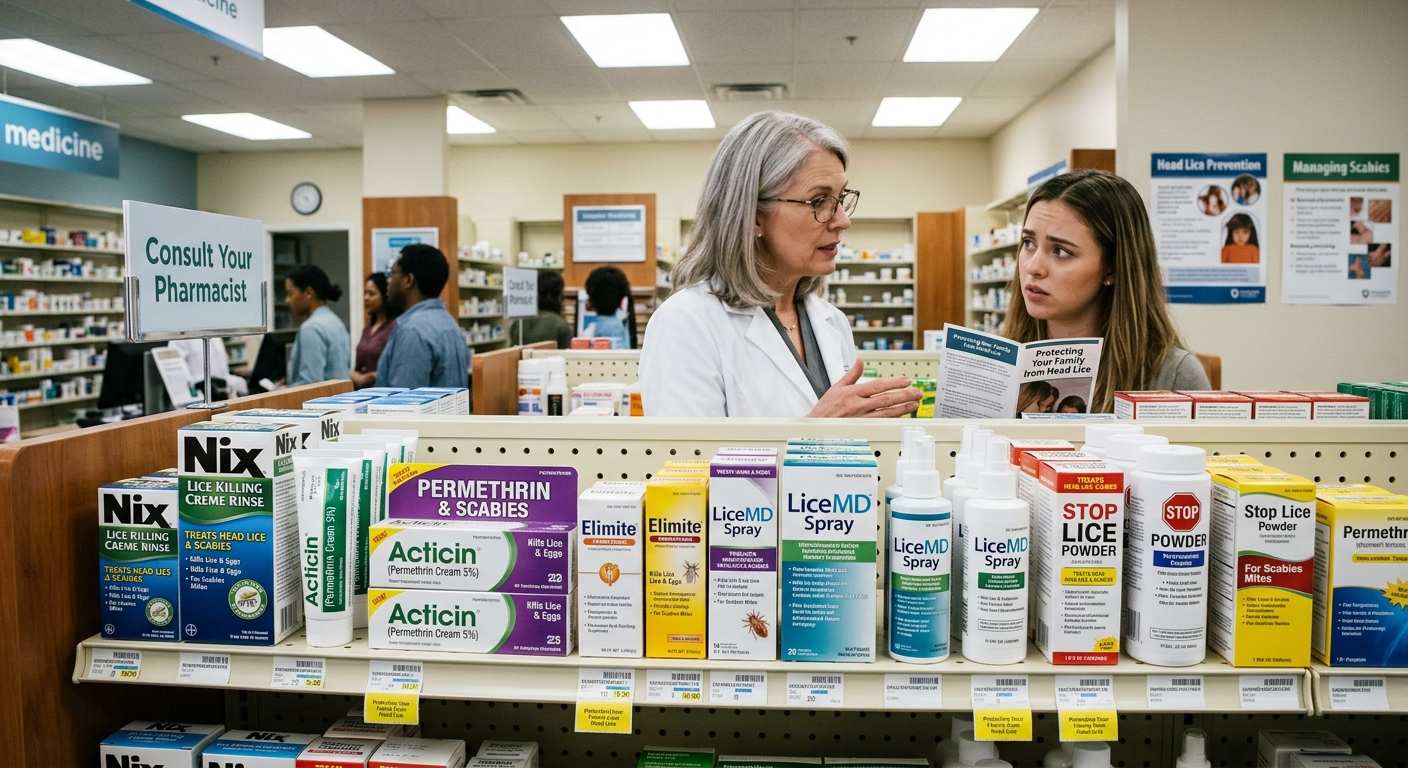
Permethrin’s availability varies by country, significantly impacting treatment decisions. In Canada, the 5% cream for scabies is easily accessible OTC, whereas in the United States, a prescription is required for effective scabies treatment. Understanding the specific formulations available in your region will be essential for making informed choices regarding treatment options for lice and scabies.
Regulatory Framework
Permethrin is governed by rigorous regulatory standards to ensure safety and compliance across different regions. In the EU, it is assessed under strict directives that manage its market distribution, while in the U.S., the EPA oversees its safety and usage guidelines. Familiarizing yourself with these regulations is crucial to navigate the implications for its use, especially in agricultural versus medical applications.
Application Methods
Medical uses typically involve topical applications of permethrin in creams and lotions, with varying concentrations for different conditions. For instance, the 5% cream is recommended for scabies, while the 1% lotion is often prescribed for head lice. Understanding the best practices for application, including possible follow-up doses, will enhance treatment efficacy and minimize reinfestation risks.
Environmental Concerns
Permethrin is effective for pest control but poses significant risks to beneficial insects and aquatic life due to high toxicity levels. Its environmental persistence raises concerns about long-term contamination in aquatic systems. Familiarity with these risks is essential when considering how and where to apply permethrin, as well as understanding the precautions necessary to minimize environmental impact.
Safety and Side Effects
While permethrin is mostly safe when used properly, users may experience mild side effects like skin irritation. Serious adverse reactions are rare, but they can occur, particularly with excessive exposure. To ensure safe usage, it’s important to follow application guidelines precisely and to maintain an awareness of potential interactions with other medications.
Exploring Alternatives
If permethrin is not suitable due to resistance or sensitivity, alternatives like benzyl alcohol or dimethicone solutions are available and effective for treating lice and scabies. Consider these options if first-line treatments fail, as they may provide necessary relief without the same chemical exposure risks associated with permethrin. Evaluating both permethrin and alternative treatments could facilitate effective management of infestations.
The content is provided by Harper Eastwood, Direct Bulletins