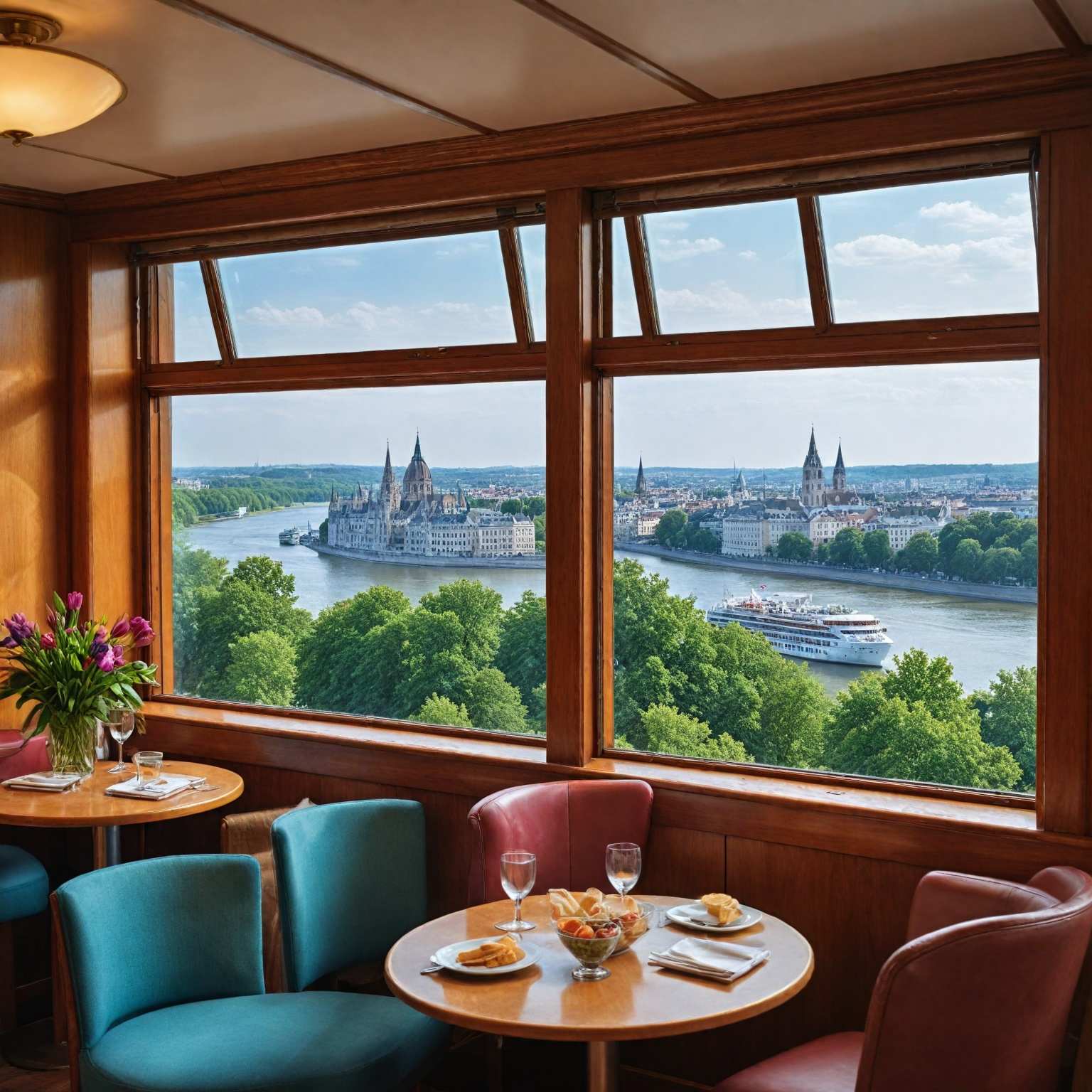
Highlights
- Experience immersive culture and history on scenic river cruises through Central and Western Europe.
- Enjoy luxurious amenities and guided excursions on diverse itineraries from Strasbourg to Budapest.
Summary and Overview
River cruises from Strasbourg to Budapest traverse the Rhine, Main, and Danube rivers, connecting France, Germany, Austria, and Hungary. In 2025, the route offers options from short 4-day trips to extended 17-destination voyages, featuring stops at major cities like Strasbourg, Cologne, Vienna, and Budapest, as well as charming smaller towns. Cruises combine cultural sightseeing with scenic landscapes, showcasing medieval architecture, UNESCO sites, and local cuisine. Modern vessels provide upscale amenities such as panoramic windows, inclusive beverages, Wi-Fi, and wellness features.
Route and Itinerary Highlights
The journey begins in Strasbourg, renowned for its blend of French-German culture and historic sites like Petite France and Cathédrale Notre-Dame. The cruise follows the Middle Rhine Valley, a UNESCO World Heritage Site with medieval towns and vineyards, including stops in Cologne, Mainz, and Koblenz. It then continues via the Main River and Main-Danube Canal to the Danube, visiting Vienna, Bratislava, Budapest, and smaller towns like Krems. Central docking allows easy access to city centers, though water level fluctuations can occasionally affect itineraries.
Cruise Durations and Scheduling
Trips range from 4-day Rhine-focused cruises to multi-week trans-European voyages. The prime season runs March to October, with milder weather and more destinations available. Seasonal water level changes, such as spring flooding or summer low water, may require itinerary adjustments or alternative transport arrangements.
Types of Cruises and Onboard Experience
Options include 7-day itineraries along the Rhine, Main, Moselle, and Danube, with luxury and ultra-luxury vessels offering king-size beds, vista balconies, and exclusive amenities. Cruises emphasize cultural immersion, featuring historic cities, medieval towns, and regional culinary experiences. Some ships offer wellness features like Salt Therapy Lounges. Onboard services include inclusive meals, beverages, Wi-Fi, gratuities, and expert-led excursions, supported by professional, English-speaking crews.
Vessel Features and Services
Modern ships such as the RHEIN MELODIE and RHEIN SYMPHONIE provide spacious cabins with panoramic windows. Amenities typically include Wi-Fi, inclusive drinks, gourmet meals reflecting local cuisine, and comprehensive guest services like luggage handling and transfers. Evening entertainment and special events enhance the onboard atmosphere.
Infrastructure and Sustainability
The Rhine-Danube Corridor is undergoing major infrastructure upgrades to improve multimodal connectivity and climate resilience, including railway modernizations and waterway enhancements. The “FAIRway works!” initiative promotes waterway projects across Austria, Croatia, and Serbia. Sustainability efforts address climate adaptation, ecological restoration, and navigation reliability, supported by significant investments from European governments. New environmental regulations starting in 2025 ban wastewater discharge from recreational boats to protect waterways.
Pre-Cruise Planning and Practical Information
Booking requires deposits and timely payments, with early booking discounts and promotions available. Strasbourg is accessible via a regional airport, and cruise embarkation is at Quai des Belges, about 1.8 miles from the city center, connected by pedestrian and cycle paths. Onboard amenities include inclusive port fees, meals, beverages, gratuities, Wi-Fi, and transfers. Special requests for accessibility can be accommodated with prior notice. The best travel seasons are spring through autumn for favorable weather and river conditions.
Traveler Tips
Mid-spring is ideal for Rhine cruises due to vibrant scenery, while late spring suits Danube routes. Winter cruises offer milder climates and fewer tourists in Southern Europe. Luggage service and insurance are generally included. Passengers can explore towns like Passau during free time and enjoy onboard entertainment. Credit cards are widely accepted, though checking in advance is advisable. Awareness of new environmental rules helps preserve the waterways.
Scenic and Cultural Highlights
The route showcases diverse landscapes and rich cultural heritage. Strasbourg features medieval neighborhoods and Gothic architecture. The Middle Rhine valley offers turreted fortresses, vineyards, and historic towns. The Danube passes through culturally significant cities such as Vienna and Budapest, with stops at places like Passau, known for St. Stephen’s Cathedral and Europe’s largest organ. The journey reflects Central Europe’s layered history and natural beauty.
Frequently Asked Questions
Languages: French is official in Strasbourg, but English is widely spoken along the route.
Docking: Cruises dock at Quai des Belges in Strasbourg, 1.8 miles from the city center.
Payments: Major credit cards are accepted onshore and onboard, but verify with taxi drivers.
Pricing: Rates vary; check official sources for full details.
Transport Demand: Increasing, especially in the Danube region due to transit traffic.
Improvements: Ongoing projects enhance freight and passenger transport along the corridor.
The content is provided by Sierra Knightley, Direct Bulletins