Highlights
- Utilize detailed vehicle history reports to uncover potential hidden issues before purchasing.
- Conduct thorough inspections and test drives to ensure vehicle reliability and performance.
Summary
7 Must-Check Items on Your Used Car Buying Checklist for 2026 addresses crucial steps for buyers in the evolving used car market, significantly impacted by economic uncertainties and high vehicle prices. This guide empowers buyers to assess vehicle conditions, verify ownership, and avoid common pitfalls with essential checklist items.
Key components include obtaining vehicle history reports from reputable sources like Carfax and AutoCheck to uncover issues like salvage titles and accident reports. Conducting thorough physical inspections—focusing on engine health, brakes, and electronics—is also emphasized. Buyers should verify title status and seller legitimacy to prevent scams, ensuring legal ownership transfer.
Modern diagnostic tools are crucial for detecting mechanical issues, while less visible factors like battery health and dealer warranties are critical for long-term reliability. This checklist is designed to help consumers make safe and cost-effective used car purchases in a challenging market, minimizing risks and identifying trustworthy options.
Importance of a Used Car Buying Checklist
A detailed used car buying checklist is vital for informed decision-making. It helps buyers gather essential vehicle information, including accident history and title status, which is crucial for assessing condition and value. Such systematic reviews significantly reduce the risk of uncovering hidden damage or fraudulent documentation after the purchase.
The checklist not only facilitates thorough inspections but also guides buyers in understanding various purchasing options tailored to their needs. For instance, confirming that the seller’s name matches the title can prevent potential scams. This structured approach is fundamental for safely navigating the complexities of the used car market.
Overview of the 2026 Used Car Market
The used car market in 2026 continues to face economic challenges and high prices, impacting affordability for many buyers. Analysts predict that while vehicle prices will stabilize, industry sales are likely to decline as both automakers and consumers adjust. Despite this, improved inventory levels are enhancing buyer and seller confidence in comparison to recent volatility.
Affordability remains a key barrier, affecting various consumer segments while manufacturers are increasingly focusing on gasoline and hybrid models. Certain brands, like Subaru, maintain robust reputations for reliability, suggesting that buyers should prioritize well-maintained vehicles with proven track records rather than simply seeking low mileage models. Research and careful inspections are essential for successful purchases this year.
Must-Check Items on the Checklist
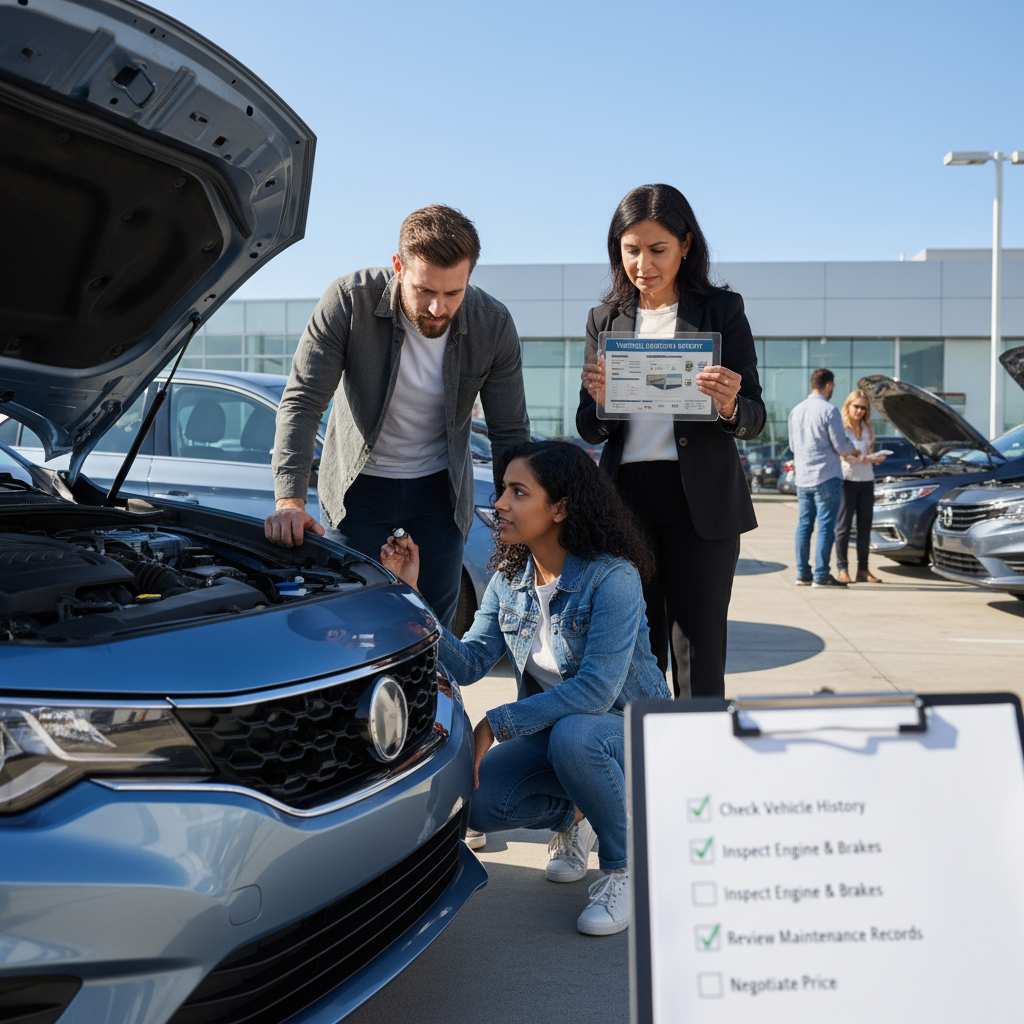
Utilizing a comprehensive checklist when buying a used car in 2026 can significantly reduce risks. This checklist includes evaluating vehicle history, verifying documentation, performing thorough inspections, and conducting test drives, all of which are critical to making informed purchases.
Vehicle History Report
Start by obtaining a vehicle history report from trusted sources like Carfax or AutoCheck. These reports highlight important information such as accident histories and odometer readings, which can reveal potential issues that a physical inspection might miss. A reliable report is also user-friendly, helping buyers easily identify any red flags.
Documentation and Title Verification
Carefully scrutinize the vehicle’s title to ensure it is clear of liens or salvage designations. Confirm that all necessary sales contracts and title transfers are accurate and maintain copies of these documents. Using resources like the National Motor Vehicle Title Information System can enhance security by verifying pertinent data.
Physical Inspection of the Vehicle
Conducting a hands-on inspection is essential. Key areas to examine include fluid levels to assess maintenance habits, brake conditions, car body for rust or damage, and tire health. Check all electrical components for functionality to ensure nothing is overlooked that could indicate underlying issues.
Test Drive
A thorough test drive is integral to evaluating the overall performance of the vehicle. Pay attention to responsiveness and any unusual sounds or vibrations, which often indicate underlying problems not visible during static inspections.
Maintenance Records
Requesting maintenance history from the seller can provide insight into the vehicle’s upkeep. Regular maintenance, indicated by documented oil changes and services, suggests the car has been cared for, enhancing its reliability and resale potential.
Use of Tools and Resources
Employing modern diagnostic tools can be highly beneficial for evaluating mechanical or electronic issues. Given the technological diversity in vehicles, ensure compatibility of the scanner with potential purchase options to avoid mismatches.
Less Obvious but Crucial Steps
Go beyond visual checks and test drives to avoid hidden issues with used cars. Start with a vehicle history report; services like EpicVIN can provide invaluable insight for your checklist. Additionally, checking for automotive recalls using the VIN ensures you’re aware of any necessary safety repairs.
Battery health warrants thorough evaluation, so monitor its performance against its original EPA rating for any significant range reductions. Engaging a mechanic for a battery load test is advisable, especially if the vehicle’s maintenance records are lacking. Investing in a comprehensive diagnostic test can expose hidden issues that might not be immediately evident.
Furthermore, leveraging online capabilities to complete aspects of the buying process can streamline your experience with dealerships. By proactively following these steps, you enhance your ability to make well-informed decisions and minimize financial losses.
Common Warning Signs and Red Flags to Avoid Scams
Be vigilant for red flags during your search for used cars. A price significantly lower than market value can indicate scams or serious issues. If a seller is eager to sell quickly at a bargain price, it’s prudent to investigate further, as this often suggests hidden problems.
Another warning sign is reluctance from the seller to permit pre-purchase inspections. Reputable sellers typically welcome these evaluations, so any resistance should raise doubts about the vehicle’s condition. Relying solely on dealer inspections can also be risky; complement these with your independent assessments and detailed histories to avoid potential pitfalls.
Top Mechanical Components and Systems to Inspect in 2026
A careful evaluation of mechanical components is critical for ensuring reliability and safety when purchasing a used car. Begin with a detailed visual inspection of the engine for leaks and checks for fluid levels, as these can directly inform you about past maintenance quality. Pay close attention to braking systems; smooth engagement without noise during test drives is essential.
Battery and charging systems should also undergo thorough evaluations. A professional load test can confirm battery health, while tire condition, including tread depth and sidewall checks, impacts both safety and vehicle performance. Additionally, ensuring that all electrical components, including diagnostics related to the Engine Control Unit (ECU), function properly is vital.
Recommended Diagnostic Tools and Tests in 2026
Investing in proper diagnostic tools is essential for assessing a used car’s condition. Equipped with modern diagnostic equipment, buyers can identify underlying mechanical issues proactively. The importance of obtaining a detailed diagnostic report cannot be overstated, as this documentation provides oversight for potential repairs.
Choosing the right scanner is crucial for compatibility across diverse vehicle models, especially those released in 2026. Identifying potential issues through diagnostics allows for informed discussions regarding repairs, ensuring better negotiation leverage.
Dealer Inspections and Preparations Before Sale
Understanding dealer inspection processes can help inform expectations. Dealerships may perform preliminary inspections, but buyers should approach these findings with caution and consider their independent evaluations for more comprehensive insights. Inquire about allowing third-party inspections to achieve a more detailed assessment.
Familiarize yourself with safety and emissions standards applicable to the vehicle, as dealers are responsible for compliance. However, it remains the buyer’s responsibility to ensure that all necessary checks are performed to guarantee the vehicle’s roadworthiness.
Warranties and Guarantees Offered by Used Car Dealers
Warranties play a significant role in used car buying, providing protection against unexpected repairs. Various types exist, ranging from manufacturer-certified pre-owned warranties to dealership-specific options, so considering your needs and preferences is critical to ensuring value in your purchase.
Manufacturer-Certified Pre-Owned (CPO) Warranties
CPO warranties are respected for their comprehensive coverage and are a great option for buyers seeking peace of mind. These warranties, covering key vehicle components, accompany cars that meet specific manufacturer criteria, significantly reducing repair risks.
Dealership Warranties
Dealership warranties can vary in coverage and duration. While they often cover major systems, it’s essential to carefully evaluate the terms to ensure you’re receiving good value. Be aware that for high-mileage vehicles, warranties may be limited, impacting future repair costs.
Third-Party Warranties and Service Contracts
Third-party warranties offer customization options to suit individual buyer requirements. However, it’s vital to research these providers’ reputations and understand the implications of any implied warranties, especially regarding your rights if purchased through a dealer.
Essential Documents and Records to Request from Dealers
When finalizing a used car purchase, securing essential documents is crucial to ensure transparency. Requesting a vehicle history report can protect you from making uninformed decisions influenced by undisclosed issues. Maintenance records, title documentation, and complete sales paperwork are equally important for a straightforward transaction.
Additionally, dealers may require proof of residency during financing, so bring necessary documents along. Clear communication and verification of all details are vital components for a secure and satisfying used car purchasing experience.
The content is provided by Blake Sterling, Direct Bulletins