Highlights
- Smart mobility solutions empower seniors, enhancing independence and community engagement.
- Addressing barriers to technology adoption is crucial for equitable access to mobility options.
Summary
Smart mobility options for seniors in 2025 represent a transformative shift in assistive technologies, combining advanced engineering, artificial intelligence (AI), and connectivity to enhance independence, safety, and quality of life for older adults. These innovations include intelligent mobility scooters with smartphone integration, wearable exoskeletons, and modular walking aids designed for adaptability and ease of use, enabling seniors to navigate both indoor and outdoor environments more confidently. The convergence of these technologies with smart home systems and urban infrastructure developments creates a more supportive ecosystem tailored to the mobility needs of an aging global population.
The growing demographic of seniors worldwide—expected to reach two billion by 2050—drives the increasing demand for mobility solutions that facilitate aging in place and active engagement with communities. Seniors’ preferences for smart mobility options are influenced by factors such as enhanced independence, accident prevention features, integration with digital health tools, and travel-friendly designs. These technologies not only address physical limitations but also promote social connectivity and overall well-being, combating isolation often experienced by older adults.
Despite these advances, significant barriers to adoption persist, including physiological challenges, digital literacy gaps, and psychological resistance to new technologies. Additionally, disparities in access remain a concern, especially for vulnerable groups often underserved by current systems, highlighting the need for coordinated efforts among governments, industry, and community organizations to ensure equitable availability of smart mobility solutions. Addressing these challenges is critical to realizing the full potential of these innovations for all seniors.
Looking ahead, continued integration of AI, Internet of Things (IoT) technologies, and age-friendly urban planning promises to further revolutionize senior mobility by enabling personalized, adaptive assistance and more accessible environments. These trends are expected to foster greater autonomy, safety, and social inclusion for seniors, marking smart mobility as a pivotal element in supporting healthy aging in the coming decade.
Overview of Smart Mobility Options
In 2025, smart mobility options for seniors have evolved significantly, combining technological advancements with ergonomic design to enhance accessibility and independence. These devices include lightweight frames, ergonomic support systems, and modular components that allow for customization without compromising ease of use. Such improvements make mobility aids more adaptable to individual needs and preferences, facilitating broader functionality both indoors and outdoors.
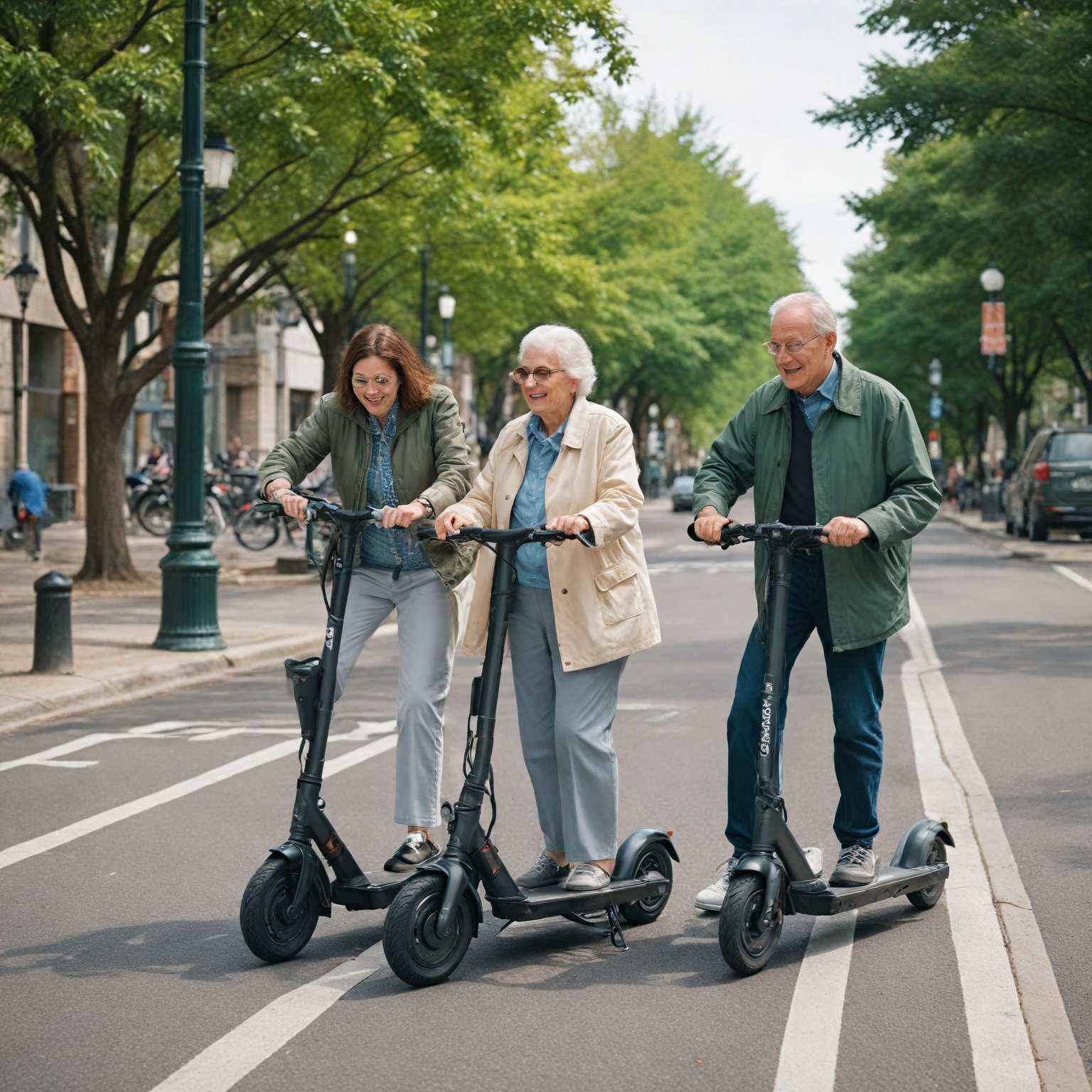
Intelligent mobility scooters represent a key innovation in this sector. Equipped with smart connectivity features, these scooters enable users to monitor battery life, adjust speed settings, and track usage patterns through integrated smartphone apps. This real-time control and customization improve safety and convenience, appealing especially to tech-savvy seniors and caregivers alike. Additionally, wearable exoskeletons have transitioned from clinical rehabilitation tools to everyday mobility aids that are lighter, more comfortable, and powered by smarter control systems, thus expanding the scope of mobility assistance beyond traditional devices.
The integration of mobility apps and digital health technologies further enhances the user experience by providing navigation assistance, physical activity tracking, and connectivity with healthcare providers. These tools not only improve independence but also increase safety for elderly users facing mobility challenges. Moreover, these technologies help bridge the gap between physical limitations and social engagement by enabling seniors to navigate their environments more confidently and maintain a rich quality of life.
Demographic Trends Among Seniors
The global population is experiencing rapid aging, with projections indicating that by 2050, approximately two billion people will be aged 60 years and above. This demographic shift is reflected in the near-term forecast as well, with estimates suggesting that by 2030, one in six people worldwide will be seniors aged 60 or older. This trend is consistent across nearly all major regions, highlighting a widespread increase in the elderly population.
As the proportion of older adults grows, their preferences and needs are becoming increasingly important in shaping social and technological developments. Notably, more than 90% of seniors express a strong desire to age in place, valuing independence while having timely access to support services when necessary. This preference underscores the critical importance of developing solutions that enable older adults to maintain autonomy in their daily lives.
The rapid aging of the population brings with it unique challenges, particularly in mobility and accessibility. Older adults often face physical, cognitive, and financial hurdles that complicate their ability to move around freely and safely. These demographic realities drive the demand for smart mobility options tailored to the needs of seniors, which are expected to see significant advancements by 2025 as technologies and community support systems evolve to better serve this growing population.
Key Reasons Seniors Prefer Smart Mobility Options in 2025
Seniors increasingly prefer smart mobility options in 2025 due to several compelling factors that enhance their independence, safety, and overall quality of life. These advanced technologies are designed to address the unique challenges faced by older adults while promoting active engagement with their environments.
Enhanced Independence and Accessibility
One of the primary reasons seniors opt for smart mobility devices is the significant boost in independence these technologies provide. Modern mobility aids, such as robotic exoskeletons, power assist rollators, and terrain-adaptive scooters, enable users to navigate both indoor and outdoor spaces with greater ease, reducing reliance on caregivers. The integration of lightweight materials, ergonomic designs, and modular features makes these devices comfortable and customizable to individual needs, further empowering seniors to manage daily activities on their own.
Safety and Accident Prevention
Safety is a paramount concern for seniors, and smart mobility options incorporate numerous features aimed at reducing fall risks and other accidents. For instance, innovations in safety rails and grab bars combine functionality with aesthetic design to provide secure handholds in critical areas such as stairs and bathrooms. Additionally, many devices include voice-control capabilities and advanced sensors that enhance user stability and responsiveness, helping to prevent mishaps. Medical alert systems with fall detection and 24/7 emergency connectivity offer peace of mind by ensuring immediate assistance if needed.
Integration with Smart Home Technologies
The seamless integration of mobility aids with smart home systems is another key factor driving seniors’ preference. Voice-activated assistants and automated home devices reduce physical strain by controlling lighting, appliances, and robotic cleaners, allowing seniors to maintain autonomy within their living spaces. Enhanced mobile app controls and caregiver monitoring features further support aging in place, enabling users to adapt their environments to changing mobility requirements.
Improved Functionality and Travel Friendliness
Advances in technology have led to broader functionality in mobility devices, including improved battery life, smarter charging options, and user-friendly interfaces like voice commands for hands-free operation. Travel-friendly designs such as foldable frames and compact scooters allow seniors to maintain mobility beyond their homes, encouraging exploration and social participation. This versatility appeals to users seeking to stay active and connected with their communities.
Supportive Urban Infrastructure and Transportation
Smart mobility devices are complemented by evolving urban infrastructure aimed at senior accessibility. Age-friendly urban designs, walkable environments, and smart public transportation systems provide a supportive backdrop for seniors using these technologies, facilitating smoother navigation through public spaces. Autonomous vehicles and AI-driven transport options further enhance mobility by offering customized, safe, and efficient travel alternatives.
Enhanced Social Connectivity and Quality of Life
By enabling greater autonomy and safety, smart mobility options contribute to improved social engagement and overall well-being among seniors. These technologies not only support physical movement but also foster confidence, autonomy, and participation in community life, helping to combat isolation and promote active aging.
Personalized and Intelligent Assistance
The rise of artificial intelligence in assistive technologies allows for personalized adaptations to user needs in real time. AI-powered systems provide intelligent support by learning individual preferences and adjusting device behavior accordingly, enhancing usability and satisfaction. This intelligent integration makes smart mobility options more intuitive and responsive than ever before, appealing to seniors seeking tailored solutions.
Technological Innovations in Smart Mobility Devices by 2025
By 2025, technological advancements have profoundly transformed smart mobility devices, catering specifically to the evolving needs of seniors. Innovations have integrated cutting-edge technologies such as artificial intelligence (AI), the Internet of Things (IoT), and machine learning to create highly adaptive, user-friendly mobility solutions that enhance safety, independence, and convenience for older adults.
One of the most notable trends is the rise of intelligent mobility scooters equipped with smart connectivity features. These devices can be controlled and monitored via smartphone apps, enabling users to track battery life, adjust speed settings, and analyze usage patterns in real time. This level of customization not only improves user experience but also supports caregivers in monitoring and assisting seniors remotely. Additionally, these scooters often feature foldable designs that fit easily into compact car trunks, built-in seats and storage for outings, and all-terrain wheels combined with advanced braking systems for enhanced stability and versatility.
Beyond scooters, smart walking aids and wearable exoskeletons have evolved significantly. Wearable exoskeletons, once primarily clinical rehabilitation tools, are now lightweight, comfortable, and powered by smarter control systems, making them suitable for everyday mobility assistance. Many mobility devices now incorporate modular and detachable components, allowing users to customize their equipment to fit personal preferences without sacrificing ease of use.
The integration of AI has also introduced adaptive features that respond dynamically to user behavior, improving safety and functionality. For instance, assistive devices can adjust support levels based on terrain or user fatigue, thereby promoting greater independence and reducing reliance on caregivers. Moreover, connectivity with smart home ecosystems allows these devices to interact seamlessly with home automation systems, such as lighting and security controls, creating a cohesive and supportive environment for seniors.
Manufacturers like Invacare Corporation and Sunrise Medical exemplify the focus on innovation by delivering ergonomically designed, durable, and customizable products that serve both institutional and homecare markets worldwide. Recent product launches, such as Sunrise Medical’s Empulse F35 power assist scooter, highlight ongoing advancements in power-assist technology aimed at improving user mobility and comfort.
Adoption Factors: Psychological, Lifestyle, Economic, and Social Influences
The adoption of smart mobility options by seniors in 2025 is shaped by a complex interplay of psychological, lifestyle, economic, and social factors. Understanding these determinants is essential for developing effective solutions that enhance accessibility and usability for the elderly population.
Psychological influences play a significant role in seniors’ willingness to engage with smart mobility technologies. Feelings of being monitored or stigmatized due to age-related dependency and frailty can act as barriers to adoption, as older adults may resist solutions that they perceive as intrusive or diminishing their independence. Moreover, psychological adjustment ability and emotional intelligence have been linked to the capability of older adults to adapt to new technologies, suggesting that interventions aimed at improving these skills may foster greater acceptance and use of smart devices.
Lifestyle factors, including whether seniors are working or retired, their housing styles, and levels of physical mobility, substantially affect their transport needs and preferences. In a predominantly car-dependent environment, the availability and convenience of alternative modes such as public and active transport are critical considerations. Mobility scooters and other assistive devices not only facilitate movement but also support independence, social engagement, and confidence, making them highly valued by older users. The desire to age in place further motivates seniors to adopt technologies that enable them to maintain autonomy within their homes and communities.
Economic considerations also influence adoption patterns. Physical, cognitive, and financial challenges commonly associated with aging can restrict seniors’ ability to access or afford advanced mobility solutions. However, technological advancements integrating IoT, AI, GPS tracking, and fall detection are driving market growth and expanding the range of accessible options, thereby enhancing affordability and functionality for older adults.
Social influences are equally pivotal. Seniors who maintain strong social connections are more likely to engage with digital tools, highlighting the importance of social networks in digital inclusion efforts. Conversely, populations considered “harder-to-serve” often face exclusion from emerging mobility innovations due to unclear accountability among governments, private sectors, and advocacy groups, underscoring the need for coordinated strategies to ensure equitable access.
Collectively, these psychological, lifestyle, economic, and social factors shape the landscape of smart mobility adoption among seniors, informing policies and product development aimed at meeting the diverse needs of this growing demographic.
Infrastructure and Urban Adaptations for Senior Smart Mobility
The integration of smart mobility solutions for seniors in 2025 is closely tied to advancements in urban infrastructure and design, which aim to create environments that support accessibility and independence for older adults. Age-friendly urban planning emphasizes walkability, accessibility, and the seamless incorporation of technology to enhance the mobility experience for seniors.
Key infrastructural adaptations include improvements in public transportation systems, such as the installation of ramps on buses and trains, priority seating, and the addition of voice or visual signals that cater to sensory and mobility impairments commonly experienced by seniors. Moreover, policies such as discounted fares specifically for seniors help make public transit more affordable and attractive, thereby increasing their mobility options within urban settings.
Smart public transportation systems, powered by real-time data and integrated navigation apps, are being designed to accommodate the diverse needs of elderly users. These systems provide on-demand transport and tailored route information, making urban travel more inclusive and responsive to seniors’ preferences and limitations. However, despite technological advancements, some older adults still prefer traditional methods of transportation reservation—such as call centers and telephone booking—which underscores the need for maintaining accessible, low-tech service options alongside digital innovations.
Urban infrastructure innovations extend beyond transportation to encompass the broader built environment. Age-friendly city frameworks promote designs that enhance accessibility in public spaces, commercial areas, and residential neighborhoods, fostering social inclusion and encouraging active lifestyles among seniors. By prioritizing these adaptations, cities are better equipped to support the mobility and independence of their aging populations, enabling them to engage more fully with community life.
These infrastructural and urban adaptations, combined with emerging smart mobility technologies, represent a holistic approach to senior mobility in 2025. They not only facilitate physical movement but also contribute to social connectivity and overall well-being for older adults. As a result, urban environments are evolving into more inclusive spaces that empower seniors to navigate their surroundings with greater confidence and ease.
Challenges and Barriers to Full Adoption by Seniors in 2025
Despite the promising advancements in smart mobility technologies designed to enhance independence and quality of life for seniors, there remain significant challenges and barriers to their full adoption. Physiological factors such as declining vision, reduced motor skills, and other age-related physical limitations make interacting with digital devices more difficult for many older adults. In addition to these physical constraints, psychological barriers—including technophobia and apprehension toward new technologies—further hinder acceptance and use among seniors.
Social obstacles also play a crucial role in limiting adoption. Many older adults experience limited digital literacy, which affects their ability to confidently navigate smartphones, tablets, and smart home systems integral to smart mobility solutions. This digital divide underscores the necessity of designing user-friendly interfaces and providing targeted education and support to bridge the gap.
Furthermore, while smart mobility systems aim to be inclusive, some of the most vulnerable populations—often described as “harder-to-serve” or “nobody’s problem”—remain underserved. Coordination challenges among various stakeholders, including federal, state, and local governments, private companies, and advocacy groups, have resulted in gaps in access and service for these groups. This fragmentation complicates efforts to create seamless, equitable mobility solutions for all seniors.
Additionally, older adults sometimes struggle with the digital aspects of service delivery, such as using integrated navigation apps or on-demand transport platforms, which can limit the perceived and actual benefits of smart mobility. These challenges call for a multifaceted approach that combines technological innovation with inclusive urban planning and comprehensive social support systems to ensure that seniors can fully benefit from mobility advancements by 2025.
Case Studies and Examples
Several case studies and real-world examples highlight the successful adoption and impact of smart mobility solutions among seniors. These initiatives often combine technology with community-based support to enhance older adults’ independence and accessibility.
One notable example involves the integration of cartographic information with acoustic and haptic feedback technologies, which has been shown to significantly improve spatial navigation for older adults in urban environments. By providing multimodal cues such as landmarks and environmental condition updates, these technologies facilitate safer and more confident mobility for seniors. This approach exempl
Future Trends and Developments
The future of senior mobility in 2025 and beyond is shaped by rapid technological advancements and an increasing focus on enhancing independence and quality of life for older adults. One of the most significant trends is the rise of intelligent mobility scooters equipped with smart features such as smartphone connectivity, which allows users to monitor battery life, adjust speed, and track usage patterns in real time. These innovations not only improve safety and convenience but also cater to the preferences of tech-savvy seniors and caregivers seeking customizable mobility solutions.
Advancements in artificial intelligence (AI), machine learning, and the Internet of Things (IoT) are expected to further revolutionize home modification technologies and mobility aids. Future products will likely feature predictive analytics to anticipate user needs, such as adjusting speed based on terrain or health data, and homes that automatically adapt to residents’ behavior and preferences. This integration of AI will help seniors maintain autonomy while reducing physical and cognitive barriers to mobility.
Smart mobility also extends to urban environments, where on-demand transport systems and integrated navigation apps promote inclusivity by supporting vulnerable populations, including the elderly and people with disabilities. Investment in smart infrastructure, such as road sensors and advanced public transit systems, coupled with supportive public policies, is crucial for creating cities that respond dynamically to citizens’ diverse needs. These developments will facilitate more efficient, sustainable, and accessible transportation networks, thereby enhancing social connectivity for seniors.
In addition to technology-driven mobility aids, safety features within homes remain essential. Innovations in grab bars and safety rails focus on both functionality and aesthetics to provide secure support for seniors while seamlessly integrating into home environments. Such adaptations help prevent accidents and enable older adults to navigate daily activities with greater confidence.
Finally, addressing environmental and infrastructural barriers is a growing priority. Challenges such as uneven terrain, limited access to healthcare services, and difficulties in navigating public transport highlight the need for targeted research and policy support. Efforts to improve accessibility around seniors’ immediate surroundings will complement technological innovations, ensuring a holistic approach to mobility.
Together, these future trends and developments suggest a robust outlook for senior mobility, with a projected compound annual growth rate (CAGR) of 6.5% through 2030. The convergence of intelligent devices, adaptive environments, and smart urban planning promises to foster greater independence, safety, and social inclusion for older adults in the coming years.
The content is provided by Avery Redwood, Direct Bulletins