Highlights
- Over 55 bungalows offer a safe, independent lifestyle tailored for seniors’ needs.
- Engage with communities that balance privacy, comfort, and valuable social amenities for seniors.
Summary
Over 55 bungalows are specially designed residential properties aimed at seniors seeking accessible, comfortable, and independent living environments tailored to their needs. Typically featuring single-level layouts, these bungalows eliminate stair-related challenges and incorporate safety features such as non-slip flooring and grab bars, promoting ease of movement and reducing fall risks among older adults. Available in various formats—including studio flats, one- or two-bedroom units, and fully self-contained homes—these properties provide seniors with manageable living spaces that balance privacy and autonomy.
These bungalows are often part of retirement villages or senior communities that offer shared amenities like libraries, fitness centers, restaurants, and social spaces, which foster social engagement and support emotional well-being. The integration of practical services such as housekeeping, transportation, and emergency response systems further enhances residents’ quality of life, enabling many seniors to maintain an active and secure lifestyle. Renting options provide additional flexibility for seniors who prefer downsizing without the commitments of homeownership, though careful review of lease agreements is essential to clarify responsibilities and avoid disputes.
Despite these benefits, seniors face challenges in renting over 55 bungalows, including variations in lease terms, accessibility standards, community atmosphere, and affordability. Location is a critical factor, with proximity to healthcare and transportation influencing independence and convenience. Furthermore, navigating legal protections under housing laws is important to safeguard tenants’ rights and ensure fair treatment. Awareness of these issues is vital for seniors to make informed decisions that support their safety, comfort, and social needs.
As demand for senior-friendly housing grows, over 55 bungalows remain a popular choice for retirees seeking a blend of independence, community, and specialized design. With increasing availability of resources and legal safeguards, seniors can better access and enjoy living arrangements that accommodate their evolving lifestyles while addressing potential concerns related to maintenance, social isolation, and lease complexities.
Understanding Over 55 Bungalows
Bungalows designed for individuals over 55 offer a unique combination of comfort, accessibility, and independence that cater specifically to the needs of retirees. These homes typically feature single-level living, which eliminates the challenges associated with stairs and promotes ease of movement throughout the residence. This accessibility is particularly important for seniors seeking to maintain an active and safe lifestyle within their own space.
The variety of over 55 bungalows includes options such as studio flats, one- and two-bedroom apartments, and fully self-contained bungalows, each with their own kitchen and bathroom, ensuring privacy and autonomy. Many of these properties are designed to reduce the burden of managing larger homes, providing residents with a more manageable living environment without sacrificing independence. Additionally, these bungalows often come with features aimed at safety and convenience, such as non-slip flooring, grab bars in bathrooms, and stair-free access, all contributing to a comfortable living experience tailored to seniors’ physical capabilities.
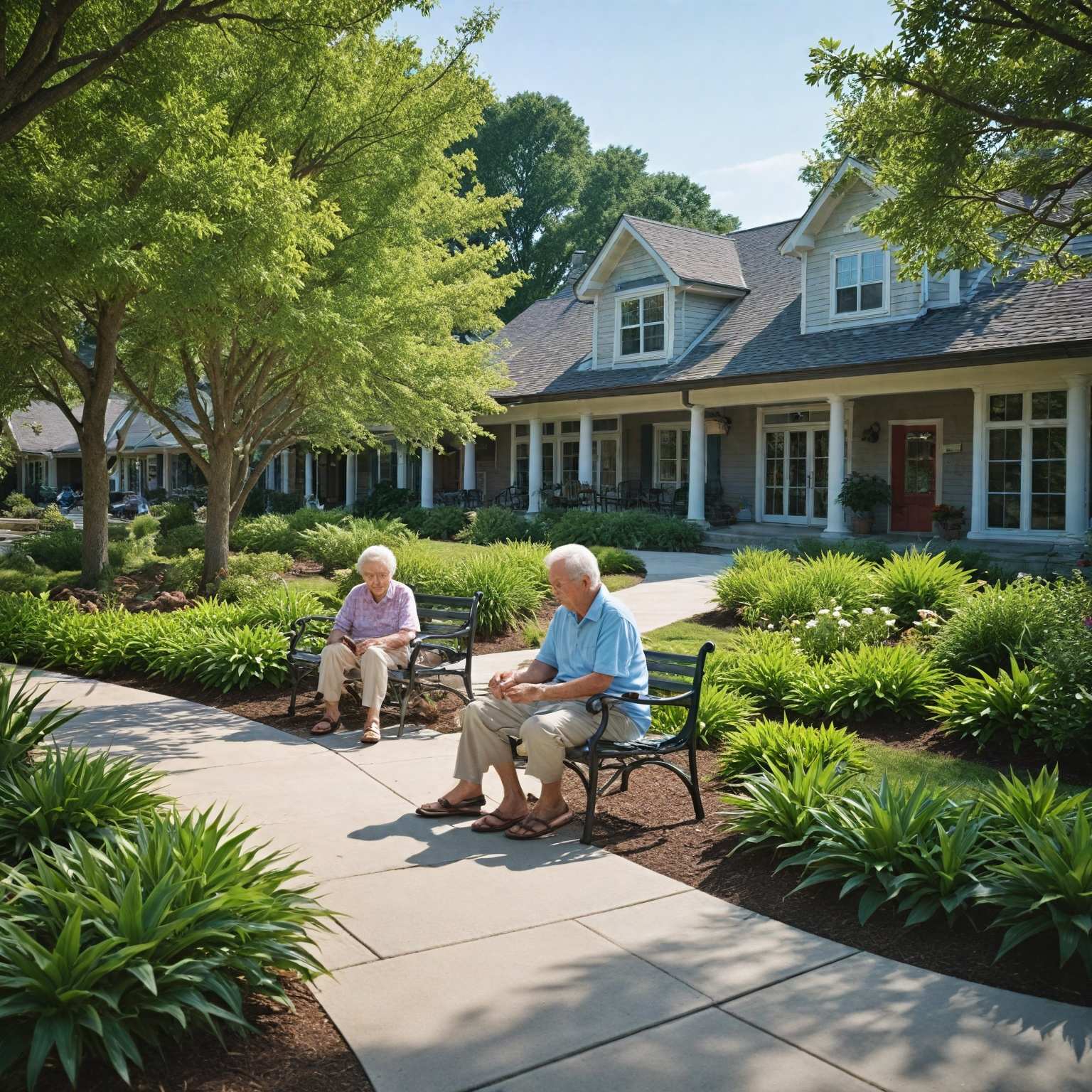
Many retirement villages and communities that offer these bungalows provide additional benefits beyond the individual homes. For example, some include shared amenities like libraries, beauty salons, restaurants, and social spaces that encourage community engagement and foster a supportive social environment among residents. These amenities promote emotional well-being and an active lifestyle by providing opportunities for social interaction and recreational activities tailored to seniors’ interests and needs.
Furthermore, over 55 bungalows are often available for both purchase and rent, giving retirees flexibility depending on their financial situation and lifestyle preferences. Renting can be especially advantageous for those who want to downsize without long-term commitments or who seek the convenience of community living with fewer responsibilities compared to traditional homeownership. Renters should carefully consider lease agreements that clearly outline terms related to rental payments, maintenance, and other obligations to avoid misunderstandings and ensure a positive living experience.
Ultimately, over 55 bungalows provide a balanced blend of independence, accessibility, and community living, making them a popular and practical choice for seniors looking to enjoy their retirement years in comfort and security.
Features and Amenities of Over 55 Bungalows
Over 55 bungalows are thoughtfully designed to meet the specific needs and preferences of senior residents, combining comfort, safety, and a supportive community environment. Many developments feature a variety of housing options including chalet bungalows, apartments, cottages, and coach houses set within expansive grounds, often centered around a Grade II listed mansion or similar landmark that serves as a communal hub. These centres typically offer residents access to state-of-the-art facilities such as libraries, beauty salons, bars, and stylish restaurants, promoting a vibrant social atmosphere alongside independent living.
Accessibility is a core feature of these bungalows, with many units incorporating senior-friendly layouts that emphasize ease of movement and safety. Designs commonly include step-free entry, wide doorways, and walk-in showers, which reduce fall hazards and enhance independence by facilitating safer daily activities. Homes often include additional safety features such as non-slip flooring, grab bars in bathrooms, and secure access systems to ensure peace of mind for residents and their families.
The integration of modern technology is increasingly common in these communities. Smart home features such as programmable thermostats, emergency alert systems, and telehealth capabilities allow residents to maintain comfort and connectivity with minimal effort. For example, some independent living units provide residents with dedicated care apps for quick access to healthcare services and social engagement.
Community amenities play a significant role in enriching the lifestyle of bungalow residents. Many over 55 communities emphasize social interaction and wellness through regular activities and shared spaces. Residents can often choose from programs designed to promote mental stimulation, physical exercise, and creative expression, such as trivia games, chair yoga, and walking groups. These activities help support cognitive health and physical well-being while fostering a sense of belonging.
Additional practical amenities commonly found in these communities include housekeeping and laundry services, transportation options for shopping and medical appointments, and access to secure outdoor spaces like gardens, patios, or balconies. The ability to balance privacy with opportunities for socializing allows residents to tailor their experience according to personal preference, whether seeking an active lifestyle or a more tranquil setting.
Renting Over 55 Bungalows: Essential Tips
Renting a bungalow over the age of 55 offers numerous benefits such as single-level living, ease of maintenance, and accessibility features that cater specifically to seniors’ needs. When considering renting a bungalow, it is important to evaluate factors including location, amenities, budget, and lease terms to ensure a comfortable and secure living environment.
Prioritize Accessibility and Safety Features
Seniors often seek bungalows that provide safety and convenience. Essential safety features include 24-hour emergency response systems, well-lit pathways, and secure access points, all of which contribute to peace of mind for residents and their families. Additionally, accessibility considerations such as no-step entries, wide doorways, and accessible bathrooms support independent living and reduce the risk of accidents.
Evaluate Community Amenities and Lifestyle Offerings
Many over 55 bungalows are situated within communities that offer tailored amenities, fostering both physical wellness and social engagement. Common facilities include clubhouses, fitness centers, pools, and organized social activities designed for active seniors. Access to transportation services is particularly important as it promotes independence by allowing residents to travel for errands, appointments, or leisure without relying on family members. Some communities also provide gated security, restaurants, spas, and social clubs that enhance residents’ quality of life.
Understand and Review Lease Agreements Carefully
A comprehensive lease agreement is vital to clarify the responsibilities and expectations of both tenants and landlords. It should specify lease duration, rental payments, maintenance obligations, and any other relevant terms. Including provisions for periodic review of lease terms can help adapt to changing circumstances such as new laws, market conditions, or resident needs. Tenants should also be aware of their duty to maintain the property’s condition and report maintenance issues promptly.
Budgeting and Financial Considerations
Renting over 55 bungalows can vary widely in cost, with community bungalows often starting around $2,500 per month, although prices may differ based on location and included amenities. Renters should investigate available senior housing programs or discounts that can reduce monthly expenses. Moreover, renting may offer financial advantages by freeing up capital that would otherwise be tied up in homeownership, allowing for investment opportunities and potentially lower overall living costs.
Research Local Options and Use Trusted Resources
Popular developers and retirement village providers such as McCarthy Stone, Audley Retirement Villages, and Anchor offer specialized over 55 bungalow options. Online platforms like RightMove provide listings to explore local availability and price ranges. Prospective tenants are encouraged to conduct thorough research to identify options that align with their lifestyle preferences and financial plans.
Emphasize Practical Amenities and Support Services
Practical services such as housekeeping, laundry, and meal options contribute to a stress-free lifestyle for seniors. Group dining opportunities, in particular, can help foster a sense of community and reduce social isolation. Considering such amenities when selecting a rental bungalow can enhance both convenience and well-being.
By carefully weighing these essential tips—focusing on safety, amenities, lease terms, budgeting, and local resources—seniors can make informed decisions that promote comfort, independence, and an active lifestyle in their over 55 bungalow rental.
Community Life in Over 55 Bungalow Rentals
Community life plays a vital role in enhancing the quality of life for seniors renting over 55 bungalows. Many such communities are designed to foster social interaction, mutual support, and engagement through a variety of activities and shared spaces, contributing to residents’ overall well-being.
Active senior communities often provide an array of amenities and social opportunities tailored to the interests and needs of older adults. These may include golf courses, restaurants, spas, social clubs, gardening groups, and travel clubs, enabling residents to pursue hobbies alongside like-minded neighbors. Such environments encourage ongoing engagement and connection, which are essential for mental and physical health during retirement.
In addition to lifestyle communities, senior cohousing is an emerging model gaining popularity among baby boomers. Cohousing communities typically consist of private homes clustered around shared resources and common areas where neighbors regularly interact. These communities emphasize mutual support—residents assist each other with daily needs like rides, meal sharing, or recovery care—helping seniors age in place successfully while maintaining independence. The self-managed nature of cohousing fosters a strong sense of belonging and community ownership, reducing reliance on external management and promoting sustainable living.
Some bungalow rentals are part of retirement villages or active senior communities that offer a supportive atmosphere and encourage participation in organized events such as music, dance, and volunteering opportunities. These activities keep residents socially active and emotionally engaged, reducing feelings of isolation and enhancing happiness.
Maintenance Responsibilities and Their Impact
Tenants renting over-55 bungalows are generally responsible for maintaining the condition of their rental property to the best of their ability and promptly reporting any maintenance issues to their landlord. While tenants typically handle minor repairs and general upkeep, landlords have a legal duty to manage major repairs and ensure the property remains safe and habitable. This includes maintaining common areas, plumbing, heating systems, and other essential facilities to keep the rental unit in working order.
The division of maintenance responsibilities significantly impacts seniors living in these communities. Many older adults seek rental options that minimize the burden of homeownership and property maintenance, allowing them to enjoy a more independent and hassle-free lifestyle. However, as seniors age, their physical, social, and cognitive participation in daily activities often decreases, which can make even minor upkeep challenging. Therefore, clear expectations about maintenance roles are essential to ensure seniors can comfortably manage their homes without undue stress.
Moreover, safety is a paramount concern for older tenants. Well-maintained properties with features like secure access, 24-hour emergency response systems, and well-lit pathways contribute to their peace of mind and overall sense of security. In some cases, when major repairs or emergencies occur, landlords may need to temporarily relocate tenants to ensure their safety, underscoring the importance of responsive property management.
Common Challenges in Renting Over 55 Bungalows
Renting bungalows designed for seniors over 55 offers many benefits, but there are also several common challenges that prospective tenants should be aware of before committing to a lease. One significant challenge involves finding the right balance between lease terms and personal needs. Lease agreements can vary widely in length, flexibility, and obligations, and seniors must carefully review clauses related to duration, rental payments, maintenance responsibilities, and adaptability to changes in laws or community policies to avoid misunderstandings and ensure long-term housing stability.
Another challenge lies in selecting a community that fits individual preferences and lifestyle requirements. Not all 55+ communities offer the same amenities or social environments. Smaller communities may provide intimacy and close-knit mutual support, which is valuable for aging in place, but may lack broader amenities available in larger retirement villages or active senior communities. Conversely, larger developments may offer more services but could be less personal or financially demanding.
Accessibility and safety features, while generally prioritized in senior bungalows, can sometimes fall short of expectations or require modifications, posing difficulties for those with specific mobility or health needs. Ensuring that the bungalow has step-free entry, wide doorways, and accessible bathrooms is crucial, yet not all rentals meet these standards uniformly.
Additionally, seniors may face challenges related to location. Proximity to healthcare facilities, shopping centers, and public transportation is essential but not always guaranteed, potentially impacting independence and convenience. Social isolation is another concern, especially for those moving into less active or isolated communities. Assisted living communities or those with regular social activities can mitigate this, but such options may come at a higher cost or reduced privacy.
Finally, housing affordability and legal complexities in lease agreements can create barriers. Seniors on fixed incomes must navigate rental costs carefully, and understanding the legal framework governing assisted living or senior housing leases—often influenced by both federal and state regulations—is vital to protect their rights and ensure compliance.
Addressing these challenges through early research, thorough lease review, and community engagement can help seniors secure a rental bungalow that supports their independence, safety, and quality of life.
Additional Resources and Support
Seniors considering renting bungalows or other senior-friendly housing have access to various resources and support systems designed to enhance their living experience and protect their rights. Many senior communities encourage mutual support among residents, such as assisting neighbors with daily tasks or providing companionship, which fosters a strong sense of connection and aids in aging in place successfully. Additionally, some communities operate without outside management companies, relying on committees formed by residents to plan social activities, manage budgets, and oversee maintenance, which not only reduces costs but also strengthens community bonds.
Legal protections are vital for senior renters. The federal Fair Housing Act of 1968 and its 1988 Amendments prohibit discrimination by landlords based on age, ensuring seniors are safeguarded against unfair treatment in housing. In some states like California, punitive penalties for property owners who mistreat elderly or disabled tenants reinforce ethical compliance and promote better housing practices. Collaborative legal service providers work specifically to prevent homelessness among older adults, addressing housing instability and advocating for low-income seniors.
For seniors navigating rental agreements, understanding the terms is crucial. Some communities may include utilities and internet in their fees, but coverage varies, so prospective renters should verify details beforehand. In situations involving property damage or emergencies, landlords might require tenants to temporarily vacate even if a lease is still active, emphasizing the importance of having clear communication and legal understanding of tenant rights.
Active senior housing options encompass a range of choices such as independent living communities, retirement communities, and senior cohousing, offering different levels of care and social opportunities. Rental options can provide seniors with flexibility, especially for those wanting to downsize without being tied to one location. As demand for senior-friendly housing grows, resources aimed at helping seniors find safe, comfortable, and accessible living arrangements continue to expand.
The content is provided by Harper Eastwood, Direct Bulletins