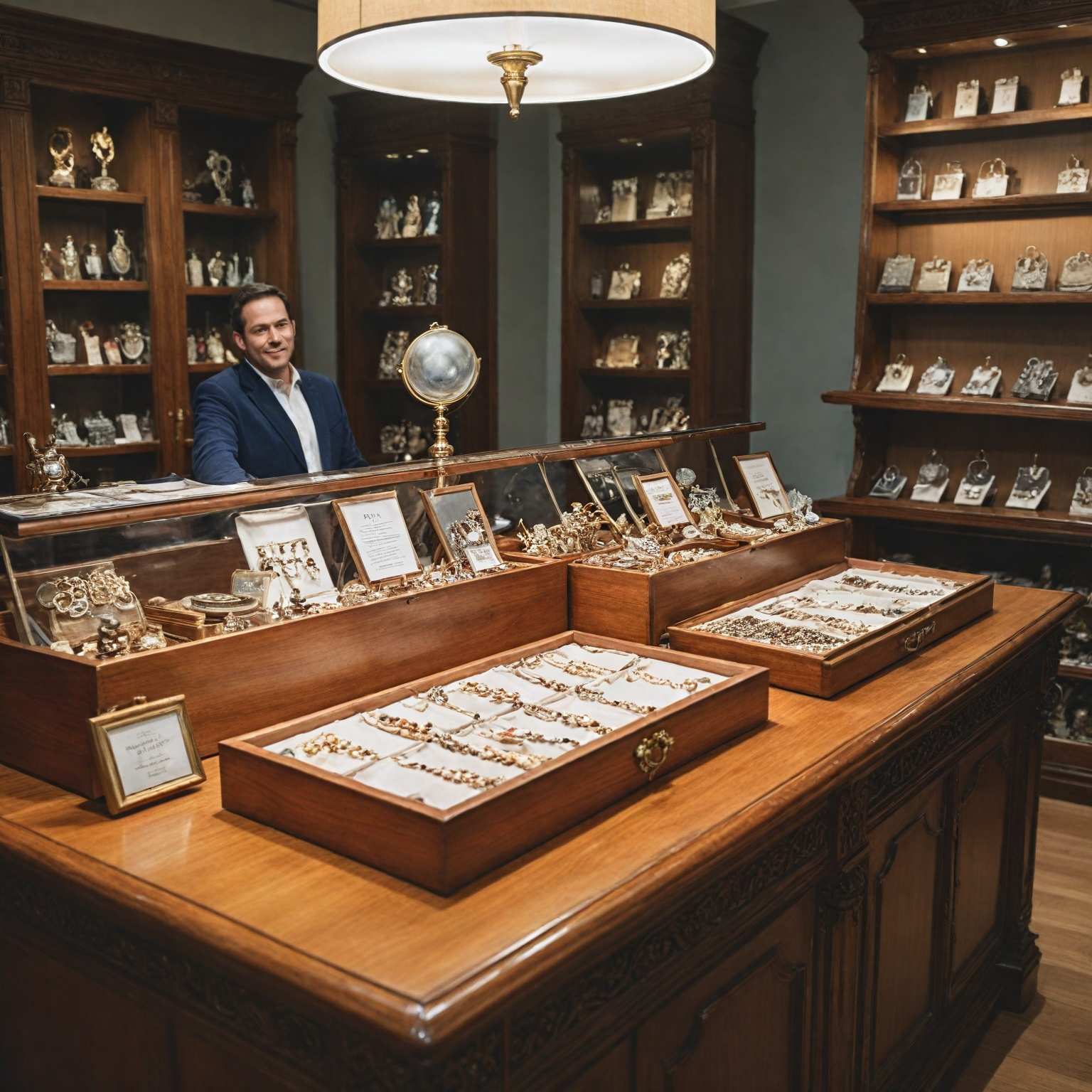
Highlights
- Secondhand jewelry offers luxury at affordable prices while promoting sustainability.
- Understanding the authenticity and quality can enhance satisfaction and value in your purchases.
Summary
7 Essential Tips for Choosing Quality Secondhand Jewelry guides buyers through the growing market of pre-owned jewelry, highlighting its craftsmanship, affordability, and environmental benefits. The guide stresses verifying metal authenticity, evaluating gemstones by the “Four Cs,” assessing condition and craftsmanship, and obtaining proper documentation to ensure value and authenticity. It also advises comparing prices and seeking expert appraisals to avoid fakes and overpriced items. Following these tips helps buyers make informed purchases that combine style, value, and sustainability.
Understanding and Benefits of Secondhand Jewelry
Secondhand jewelry includes pre-owned contemporary and vintage pieces, often valued for craftsmanship and rarity. Unlike other used goods, it tends to retain or increase in value. Buyers should verify descriptions, compare prices, and inspect quality to avoid counterfeit or overpriced items. The market’s growth offers more reputable online options.
Benefits include reducing environmental impact by lessening demand for mined materials, accessing high-quality craftsmanship—often from luxury brands—and enjoying cost savings. The trend toward sustainability increases the appeal of pre-owned jewelry, encouraging reuse and recycling.
Assessing Quality and Practical Buying Tips
Quality assessment covers metal authenticity, gemstone evaluation, craftsmanship, condition, and documentation. Metals should be solid precious metals verified by hallmarks and magnetic tests. Gemstones are judged by color, clarity, cut, and carat, with certification enhancing confidence. Craftsmanship affects durability, and provenance adds value.
Buyers should verify authenticity with hallmark reading and magnet tests, inspect condition for wear or repairs, compare prices across sources, and request certificates. Consulting experts or appraisers is advisable, especially for vintage or high-end pieces. Brand reputation and exclusivity also influence value.
Common Mistakes and Verification Methods
Common pitfalls include neglecting budget, impulse buying without research, failing to compare prices, overlooking condition, and relying solely on visual inspection. Counterfeit pieces are widespread, especially from prestigious brands.
Verification methods include examining hallmarks and maker’s marks, magnetic testing to detect base metals, assessing gemstones by the Four Cs, and professional acid or electronic tests for metals. Authenticity certificates and professional appraisals provide further assurance.
Caring for Secondhand Jewelry
Proper care preserves secondhand jewelry’s beauty and value. Avoid abrasive cleaners and alcohol-based products on sensitive gemstones. Gentle, regular cleaning and careful handling help maintain condition and longevity.
The content is provided by Sierra Knightley, Direct Bulletins