Highlights
- Consulting certified arborists ensures safety and proper management of potential tree hazards.
- Timely tree assessments can prevent serious injury and property damage in your environment.
Overview of Tree Removal
Tree removal is essential for managing tree health and safety, preventing hazards like falling limbs or tree failure that can injure people or damage property. Certified arborists assess trees to recommend treatment, stabilization, or removal. Signs indicating removal include leaning trunks, cracks, dead bark, fungal growth, and pest infestations that threaten tree stability. Proximity to power lines or structures raises urgency due to safety risks. Legal regulations often require permits to balance safety with ecological preservation. Alternatives such as pruning, pest control, and structural support can extend tree life and maintain safety while preserving environmental benefits. Ignoring hazardous trees risks injury, property damage, and disease spread, making professional evaluation and timely action crucial.
Key Indicators for Tree Removal
Structural instability, such as sudden leaning or cracked trunks, fungal growth, dead or peeling bark, and pest infestations often necessitate removal. Storm damage causing broken limbs and “widow-makers” increase risk. Signs like crown dieback, wood decay, and heavy woodpecker activity indicate severe compromise. Dead trees with brittle branches also pose hazards. While cabling or bracing may stabilize some trees, removal is safest when defects are severe.
Environmental and Location Factors
Trees near power lines, homes, or roads require careful evaluation due to increased safety risks. Contact with power lines can cause outages and fires, so utilities enforce clearance rules. Trees showing poor health or structural defects near structures may need removal to prevent damage or disease spread. Local regulations often mandate permits and tree replacement to protect ecological balance, ensuring removal is justified and environmentally responsible. Pruning or cabling may be alternatives to removal to maintain urban canopy and ecosystem health.
Professional Evaluation and Legal Requirements
Certified arborists perform thorough assessments, inspecting for decay, pests, root issues, and structural defects to guide removal decisions. They evaluate failure risks and advise on treatments or removal, prioritizing tree preservation when safe. Arborists also assist with permits and regulatory compliance. Most municipalities require permits for removing protected or significant trees, with exemptions for safety-related removals. Regulations aim to balance development with tree protection, sometimes requiring arborist reports and public input. Recent laws in some states have altered local oversight of private tree removal.
Tree Removal Process
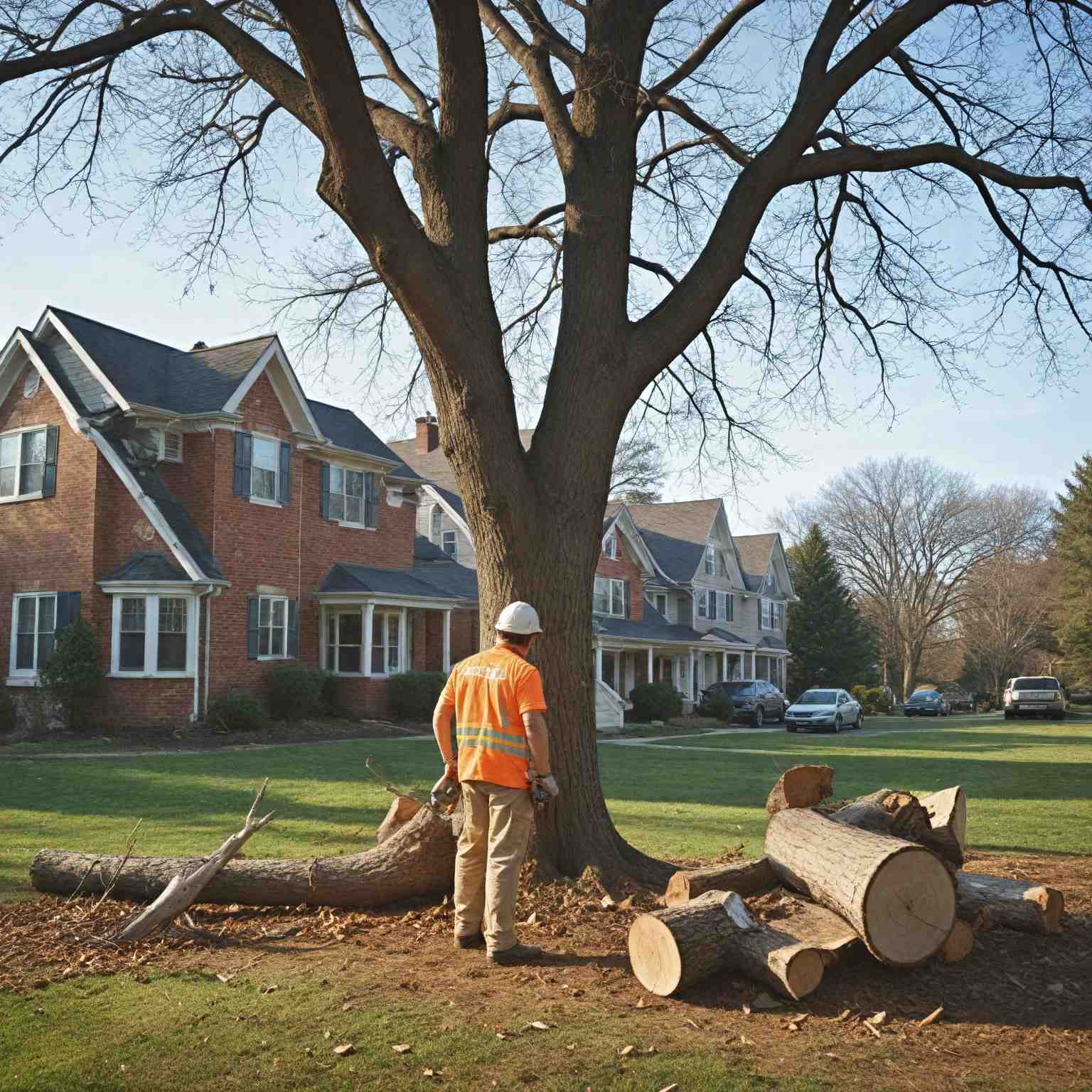
Removal begins with a professional assessment to confirm hazards or treatment options. Eco-friendly techniques and proper equipment minimize environmental impact. Property owners often must secure permits, submit applications, and comply with public notice rules. Professional tree services ensure safe removal and regulatory compliance, especially for large or risky trees. Post-removal site preparation includes stump grinding and soil rehabilitation to support new growth and ecosystem restoration.
Alternatives to Removal
Pruning dead or diseased branches can improve tree health and reduce hazards. Pest and disease management help preserve trees and prevent spread. Structural supports like cabling and bracing strengthen weak branches, especially if done early. Evaluating whether a tree’s lean is new or longstanding helps determine if stabilization is possible. Adopting eco-friendly care and low-impact machinery balances safety with environmental stewardship.
Ecological Importance and Considerations
Trees contribute to carbon sequestration, habitat provision, soil stabilization, and temperature regulation. Removal disrupts ecosystems and biodiversity. Environmental impact assessments and regulatory oversight help mitigate damage, often requiring permits and tree replacement. Post-removal land management, including planting native species and soil care, supports ecosystem recovery and promotes sustainable urban green spaces.
Risks of Ignoring Removal Signs
Failing to address hazardous trees risks unexpected falls causing injury, property damage, or fatalities, particularly during storms or high winds.
Cost Considerations
Tree removal involves financial and environmental costs. Preserving healthy trees supports ecosystem services and property value. Careful assessment ensures removal only when necessary, reducing unnecessary expenses and ecological harm. Post-removal restoration may incur additional costs for soil and landscape management. Professional services help balance safety, economic factors, and environmental responsibility in removal decisions.
The content is provided by Avery Redwood, Direct Bulletins