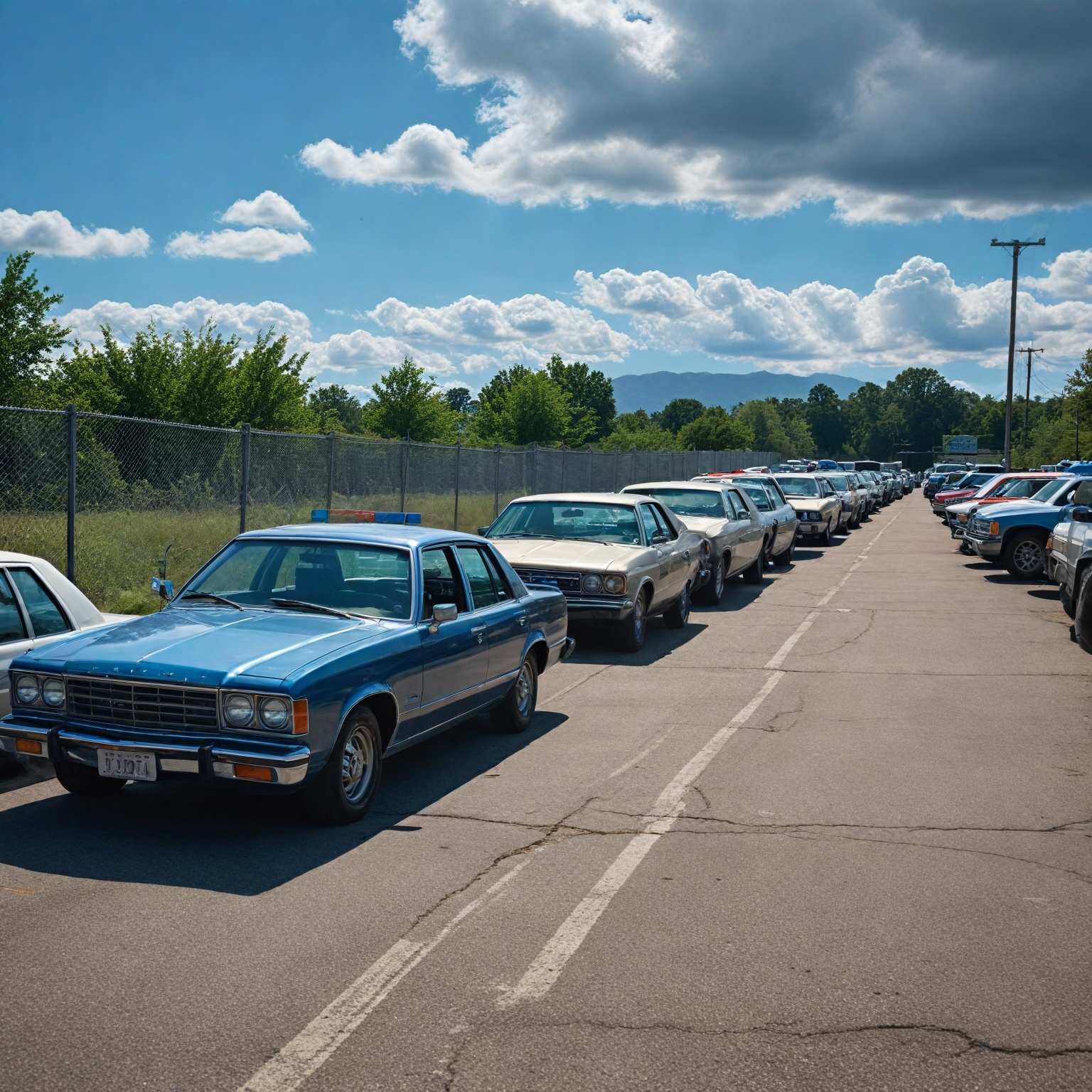
Highlights
- Purchasing police impounded cars provides potential savings compared to traditional used car markets.
- Due diligence is essential for mitigating risks and ensuring a successful buying experience.
Summary
Police impounded cars are vehicles seized and held by law enforcement or government agencies due to legal, safety, or administrative reasons, such as involvement in criminal activity, unpaid fines, or abandonment. These vehicles are typically retained until claimed by their owners or, if unclaimed, sold at public auctions. These auctions—conducted online or in person by police departments, municipalities, or contracted companies—offer buyers the chance to purchase cars at significantly reduced prices compared to traditional used car markets.
Buying police impounded cars can present notable financial benefits, including access to vehicles often sold at steep discounts. However, purchasers must navigate complex legal and procedural challenges, such as verifying ownership, resolving outstanding liens, and understanding that vehicles are sold “as is” without warranties. Due diligence, including vehicle history checks and pre-auction inspections, is critical to mitigating risks associated with hidden mechanical problems or legal encumbrances.
The regulatory framework governing impounded vehicles aims to balance public safety, owners’ rights, and orderly disposal processes. Law enforcement agencies must adhere to protocols designed to protect against unlawful seizures and ensure proper notification and hearing opportunities for vehicle owners. Despite these safeguards, controversies sometimes arise regarding improper impoundment, ownership disputes, and the finality of auction sales, underscoring the need for buyers to be well-informed and prepared.
Overall, purchasing police impounded cars can be a cost-effective option for buyers who understand the complexities involved. By leveraging available resources, conducting thorough research, and carefully following legal procedures, prospective buyers can confidently navigate this unique market while minimizing potential pitfalls.
Overview of Police Impounded Cars
Police impounded cars are vehicles seized and held by law enforcement or government agencies due to various legal and safety reasons. These can include involvement in criminal activity, suspicion of containing evidence related to a crime, or posing a threat to public safety by being abandoned or improperly parked. Vehicles may also be impounded due to violations such as unpaid fines or parking tickets, or when authorities suspect intoxicated driving offenses.
Once impounded, vehicles are held until the owner claims them, often after payment of fines and fees. If unclaimed, these cars are typically sold at public auctions, conducted online or in-person by police departments, local governments, or authorized towing companies. These auctions allow buyers to purchase vehicles at significantly reduced prices compared to traditional used car markets.
The impounding process is regulated to protect owners’ rights. Authorities must provide prompt notice and offer an opportunity for a hearing to contest the legality of the impoundment, ensuring due process and preventing unlawful seizure or undue financial burden.
Vehicles sold at police auctions are usually sold “as is,” without warranties, and buyers bear additional costs such as taxes, title transfer, registration fees, and insurance. Towing companies and locksmith services often assist buyers with vehicle retrieval and access post-purchase. Understanding the circumstances and legal framework surrounding police impounded cars can help prospective buyers navigate this unique market with greater confidence.
Legal and Regulatory Framework
The legal framework governing police impounded vehicles sets standards and procedures to ensure law enforcement actions related to towing, inventorying, searching, impounding, and disposing of privately owned vehicles (POVs) are consistent, reasonable, and lawful. These procedures balance public safety, crime prevention, and orderly traffic flow while protecting vehicle owners’ rights.
Law enforcement must follow specific protocols when conducting inventory searches, limiting searches to what is necessary for caretaking and safety. Evidence obtained from bad faith actions may be inadmissible, though honest mistakes typically do not invalidate the legality of the search.
Ownership and title transfer issues often complicate vehicle retrieval and sale. When a vehicle is impounded but not registered in the possessor’s name, proof of ownership such as a bill of sale, title transfer documents, or bonded title is required. Legal disputes may arise if documentation is lacking or liens exist, which must be resolved before ownership transfer.
Unclaimed impounded vehicles are often sold at public auctions, with laws requiring proceeds exceeding fees be returned to the rightful owner if identifiable. Vehicles held as evidence may be retained for varying durations depending on case specifics and local laws, during which owners should seek legal counsel.
Owners and prospective buyers should be aware that complexities like title issues, liens, and procedural adherence by law enforcement can affect retrieval and purchase. Consulting legal professionals is advisable to navigate these challenges effectively.
Benefits of Purchasing Police Impounded Cars
Purchasing police impounded cars offers significant financial advantages. Vehicles are often sold at government auctions for a fraction of retail value—sometimes up to two-thirds off—allowing buyers to acquire relatively new and well-maintained cars, including luxury models, at lower prices.
Auctions are accessible and convenient, often conducted online with detailed listings including photos and condition reports. Registration, sometimes requiring identification or deposits, ensures secure bidding. Auctions may be managed directly by federal agencies or contracted companies and can include in-person, online, or mail-in bidding.
Many impounded cars are repossessed for administrative reasons like non-payment or traffic violations rather than criminal activity, meaning buyers can find vehicles in good condition that were unclaimed or towed.
Preparing to Buy Police Impounded Cars
Prospective buyers should prepare thoroughly before participating in an auction. Researching the market value helps set a realistic bidding limit to avoid overpaying. Budgeting must include the bid price plus additional costs such as repairs, insurance, registration, and possible liens.
Since vehicles are sold “as is,” requesting a detailed vehicle history report via VIN search is recommended to check for accidents, liens, or repairs. Inspecting the vehicle in person or via a qualified mechanic during viewing days helps identify hidden issues.
Buyers should understand legal and administrative procedures for title transfer, registration, and lien resolution. All sales are typically final, so understanding auction terms and conditions is vital.
On auction day, bring accepted payment methods such as cash or approved loan proof. Monitoring listings frequently is advisable since inventories are posted only days in advance. Adequate preparation reduces risks and supports confident purchasing.
Auction Participation Process
Auction participation begins with registration, often requiring identification and a security deposit to ensure secure bidding. Only registered bidders with valid bidder numbers may bid; using another’s number is prohibited.
Auctions may be online, in-person, or via mail-in bids. Inspection days are typically provided, allowing buyers or mechanics to assess vehicles. Obtaining a full history report, including VIN checks for accidents and liens, is strongly advised.
Vehicles sell to the highest bidder in a binding contract. Failure to honor the contract may lead to legal action and auction bans. Bill of Sale and title transfer occur in the winning bidder’s name, subject to licensing authority policies.
Buyers should expect additional costs such as taxes, title and registration fees, towing, and expenses for new keys. Vehicles are sold “as is,” without warranties, so buyers arrange insurance and warranties post-purchase.
If liens or debts exist, proceeds cover these costs first; any surplus is returned to the original owner if contactable. Auctions follow legal protocols including certified notices before sales.
Post-Purchase Responsibilities and Procedures
After purchase, buyers must obtain and manage documents including the bill of sale, title application, registration certificate, and insurance policy. These are required for legal ownership and road use.
Vehicles may still have liens, impound fees, or storage charges post-sale. Prompt registration and title transfer are crucial to avoid additional fees, as impound lots may charge daily storage fees. The time before a vehicle can be re-auctioned is typically 50 days for vehicles under three years old, 35 days for older ones.
Possession may be delayed if impound requirements are unmet, including outstanding fees or legal restrictions. In case of title transfer disputes, proof such as bill of sale or release of liability submitted to the DMV may be necessary, and legal assistance might be required.
Buyers should have checked the vehicle’s history before purchase to anticipate repairs or legal issues. Understanding post-purchase obligations including title, registration, insurance, fees, and liens helps avoid complications.
Potential Risks and Challenges
Risks include unknown vehicle condition due to limited inspection opportunities, potentially leading to costly repairs.
Legal risks include unresolved liens or ownership disputes complicating title transfer. Some jurisdictions require lienholder approval, and buyers often receive only a bill of sale, needing additional DMV procedures for full ownership. Original owners may still possess keys and reclaim vehicles, adding uncertainty.
The auction process is final; buyers must conduct due diligence to avoid dissatisfaction. Police impoundment may result from legal or safety issues like suspended licenses or criminal involvement, affecting vehicle status and availability. Vehicles may be held indefinitely during investigations or without warrants for release.
Impounded cars are sold “as-is” and may have been towed for abandonment, mechanical failure, or illegal parking. Law enforcement typically has limited storage and auctions vehicles, with laws mandating owner notifications and hearings to prevent unlawful seizures. Awareness of these risks is essential for informed purchasing.
Resources and Tools for Buyers
Buyers can utilize resources to make informed decisions. Conducting VIN searches to obtain vehicle history—including accidents, liens, and repairs—is critical. Online vehicle history reports provide detailed insights.
Auction sites often offer specific inspection days for in-person viewing; if not feasible, hiring a qualified mechanic is advised. Familiarity with auction formats—online, in-person, or mail-in—and managing entities (federal agencies or contractors) helps navigate bidding.
Understanding legal paperwork for title transfer, registration, and lien handling is essential to avoid post-purchase issues. Consulting attorneys with consumer protection expertise may be necessary if disputes arise.
Even after title transfer, possession may be restricted if impound obligations remain. Knowing administrative and legal requirements ensures smoother acquisition of police impounded cars.
The content is provided by Avery Redwood, Direct Bulletins