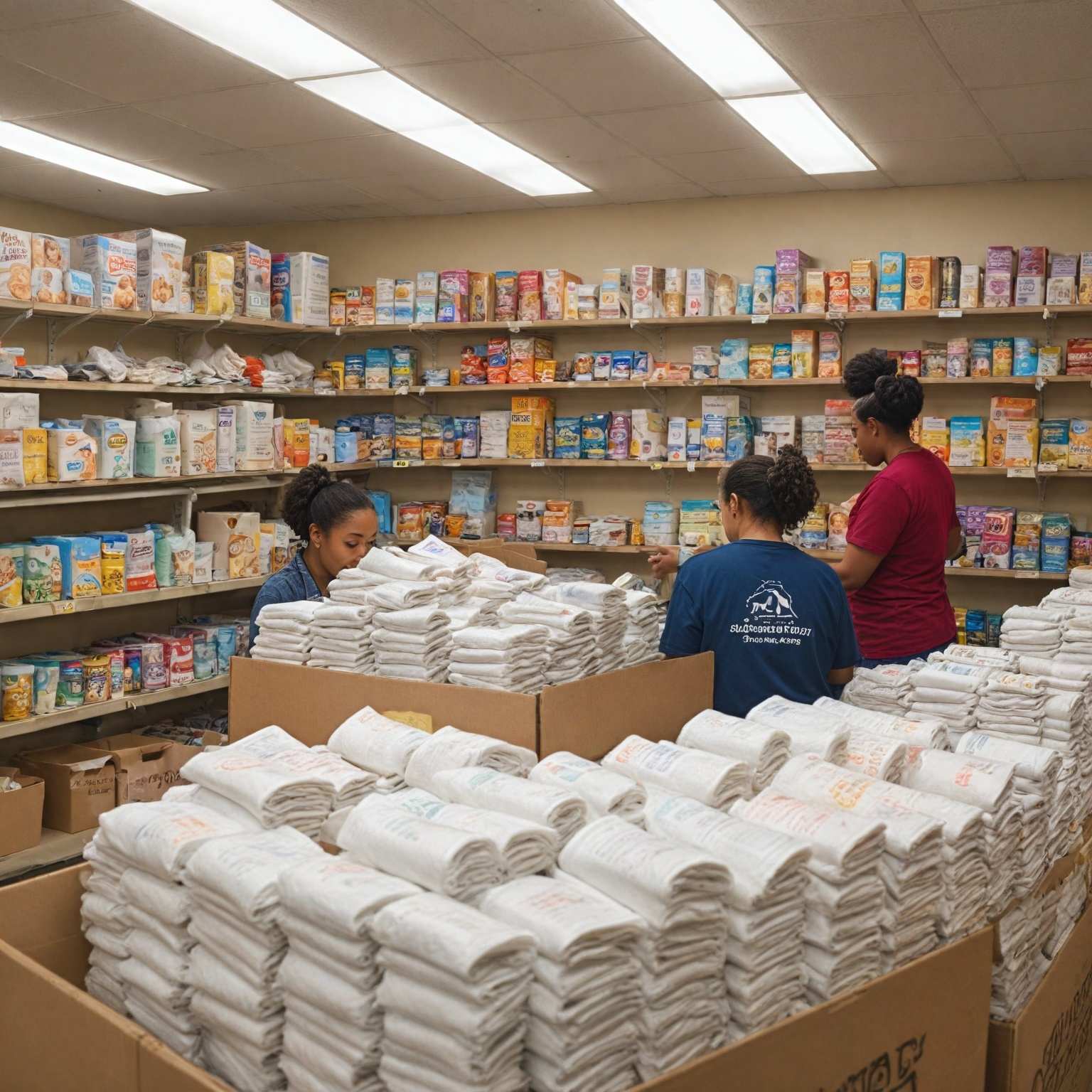
Highlights
- Diaper assistance programs alleviate financial burdens and improve child health for low-income families.
- Community engagement and donations are vital for expanding the impact of diaper assistance initiatives.
Summary and Overview of Diaper Assistance Programs
Diaper assistance programs support low-income families by providing access to diapers, essential for infant health and well-being. These programs operate through local diaper banks, community organizations, and partnerships with agencies like Community Action Agencies (CAA). The National Diaper Bank Network (NDBN) connects over 240 diaper banks nationwide, helping distribute diapers and linking families to other social services. Despite their importance, these programs face funding challenges, as diapers are not covered by major assistance programs like SNAP or WIC. Some states use Temporary Assistance for Needy Families (TANF) funds to support diaper distribution or allowances, but many families remain underserved. Beyond diaper provision, programs often offer case management, nutrition referrals, and connections to job training and housing services, contributing to broader anti-poverty efforts and family stability.
Accessing Diaper Assistance and Essential Resources
Families can find diaper assistance by calling 2-1-1 or visiting 2-1-1.org, or through local faith-based groups, food pantries, and NDBN-affiliated diaper banks. These organizations often collaborate with Community Action Agencies and use TANF funds in some states to provide diaper allowances. The Diaper Distribution Demonstration and Research Pilot helps expand diaper access and connects families to comprehensive support services. Families typically learn about assistance through schools, community organizations, and outreach campaigns like National Diaper Need Awareness Week. Some programs offer direct cash payments for diapers based on existing benefit eligibility, easing access.
Diaper Sourcing, Distribution, and Additional Support
Effective diaper sourcing and distribution involve partnerships among diaper banks, social service organizations, and government programs. Organizations like SupplyBank.org streamline manufacturing and delivery to reduce costs and improve reliability. Distribution often integrates with wraparound services such as Early Head Start and housing assistance. Many programs offer additional supports including nutrition assistance through SNAP and Medicaid enrollment, aiming to alleviate parental stress and improve child development by addressing material hardships.
Challenges and Barriers to Access
Access to diaper assistance is limited by federal program exclusions, with diapers generally not covered by SNAP or WIC, and only some families receiving TANF benefits. The high cost of diapers—often $90 to $135 per month per child—creates a significant burden, especially as childcare centers usually require disposable diapers. Eligibility complexities and reliance on donations further restrict consistent access, particularly in rural or underserved areas. Additionally, lack of coordination among programs can hinder families from receiving comprehensive support beyond diapers.
Key Organizations and Programs
The National Diaper Bank Network (NDBN) connects and supports over 240 diaper banks nationwide. SupplyBank.org leads efforts in California to reduce diaper need through streamlined distribution and community partnerships. Help a Mother Out® focuses on improving family well-being by increasing diaper access. Many local diaper banks work with government and nonprofit partners, often requiring referrals from social workers or case managers. These coordinated efforts aim to provide efficient, equitable diaper assistance integrated with other family supports.
Advocacy, Awareness, and Community Engagement
Advocacy and community involvement are vital to addressing diaper need. National Diaper Need Awareness Week in September raises public awareness and encourages diaper drives. Social media, local media, and word of mouth help mobilize support. Volunteers and donations to diaper banks and food pantries strengthen community resources. Many programs offer comprehensive assistance, empowering families toward stability and improved child health through coordinated support services.
The content is provided by Sierra Knightley, Direct Bulletins