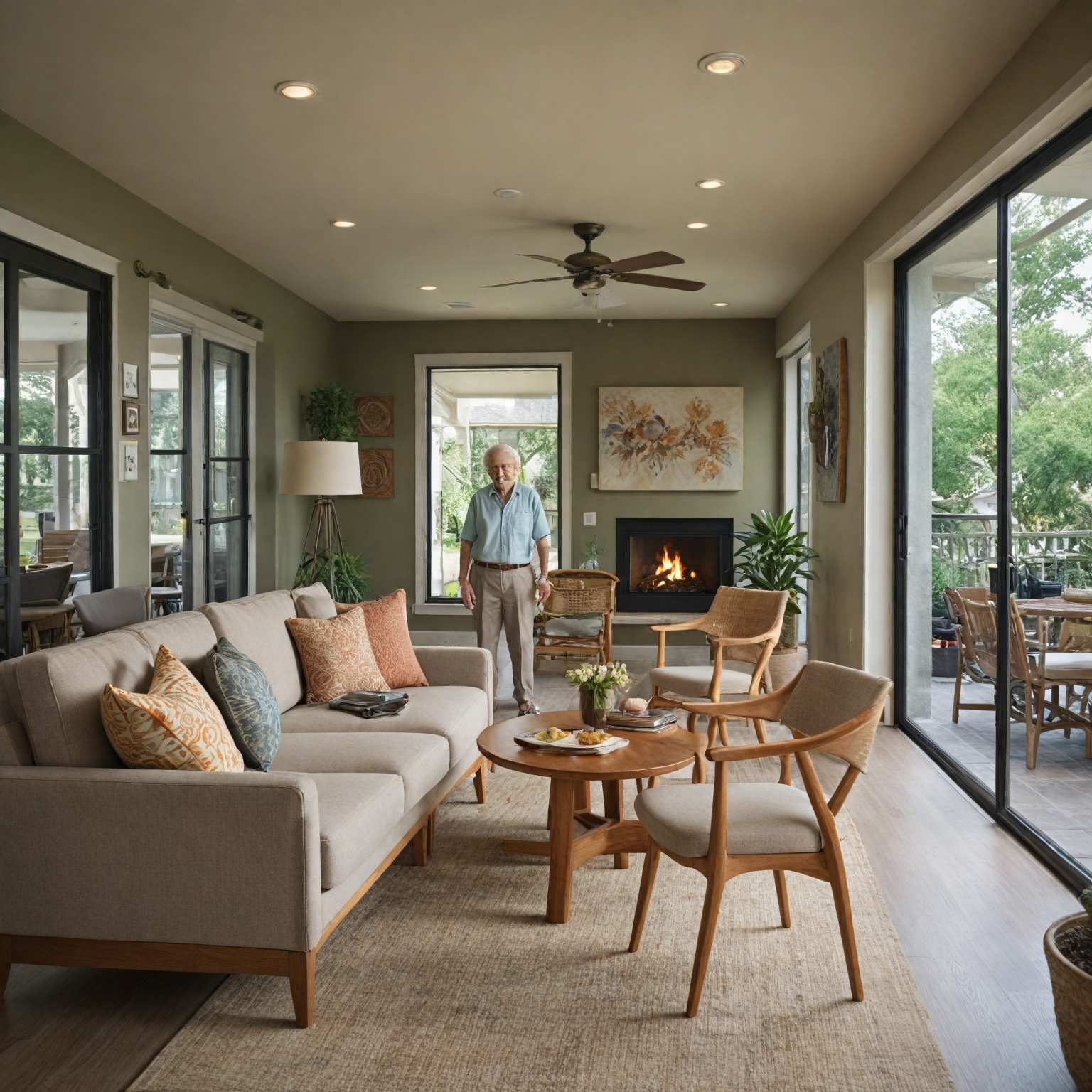
Highlights
- Retirement bungalows prioritize accessibility and community engagement for seniors seeking independence.
- Smart home features and social amenities enhance quality of life for older adults.
Summary
Retirement bungalows for rent offer a specialized housing option designed to support the unique needs and preferences of older adults seeking comfort, safety, and community engagement. These single-story homes typically emphasize accessibility features, thoughtful design, and proximity to essential amenities, making them well-suited for seniors who wish to maintain independence while downsizing or avoiding the responsibilities of homeownership. With a growing aging population, retirement bungalows have become increasingly notable for promoting aging in place through adaptable layouts, mobility aids, and integrated smart technologies.
Key features to consider when selecting a retirement bungalow for rent include location, safety, design, technology, and available amenities. Location plays a critical role by providing easy access to healthcare services, shopping, transportation, and social venues that enhance quality of life. The design and layout prioritize wide doorways, non-slip surfaces, and barrier-free entries to accommodate mobility aids and reduce fall risks. Safety and security are further enhanced through emergency alert systems, adequate lighting, and assistive technologies such as voice-activated devices and motion sensors, which support timely responses to emergencies and daily convenience.
Technological integration in retirement bungalows is increasingly prominent, offering seniors tools to manage their environment, stay connected with caregivers, and maintain autonomy. However, the adoption of smart home features can present challenges for some residents unfamiliar with new technologies, necessitating user-friendly designs and supportive training. In addition, amenities like communal dining, fitness centers, and social activity spaces foster social engagement and help combat isolation, which is a significant concern for seniors’ mental and emotional well-being.
Affordability and lease terms also influence the attractiveness of retirement bungalows for rent. While renting reduces the financial burden of homeownership and maintenance, seniors must carefully evaluate lease agreements, associated costs, and the balance between flexibility and stability. Overall, retirement bungalows for rent represent a notable housing solution that combines accessibility, safety, social connection, and modern conveniences tailored to the evolving needs of older adults.
Location Considerations
When selecting a retirement bungalow for rent, the location plays a critical role in ensuring convenience, accessibility, and quality of life for seniors. Proximity to essential local amenities such as stores, pharmacies, restaurants, medical centers, and cultural attractions is highly important. Seniors may prioritize walkability to these amenities or require convenient access to transportation options, including driving or train services, to visit nearby cities or family. Some retirement communities, such as Continuing Care Retirement Communities (CCRCs), enhance location benefits by providing onsite health services and multiple levels of care, reducing the need for frequent travel.
Accessibility within the surrounding environment is also a key factor. Safe and accessible pathways, including wide, unobstructed sidewalks and handrails, facilitate mobility for residents using walkers or wheelchairs and reduce the risk of accidents. Well-lit walkways and clearly visible house numbers improve safety and assist emergency responders in locating residences quickly if needed.
Transportation accessibility remains a significant concern. Older adults often face challenges in using public transit due to barriers at bus stops or difficulties boarding vehicles, which can limit their independence and social engagement. Those with physical, cognitive, or financial limitations may require transportation options that accommodate mobility aids and offer affordable services. Therefore, choosing a location with reliable and accessible transportation infrastructure is vital to support seniors’ mobility and overall wellbeing.
Design and Layout Features
A well-considered design and layout are crucial for retirement bungalows to support safety, accessibility, and comfort for seniors. The architectural layout should prioritize seamless mobility and ease of navigation, ensuring that all spaces can accommodate mobility aids such as wheelchairs and walkers. Wide doorways—at least 32 to 36 inches—and hallways that allow unobstructed movement are essential features to reduce injury risks and promote independence.
The floor plan often includes open, adaptable spaces that can be subdivided if needed, such as converting a family room into an additional bedroom without compromising accessibility. Rear additions with no-barrier, ramped entries from driveways and spacious mudrooms facilitate easy wheelchair maneuvering. An open layout design encourages a smooth flow between rooms, such as having separate but connected kitchen and dining areas, to support everyday activities and social interaction.
Safety modifications in key areas, particularly bathrooms, are vital. Features like grab bars, non-slip flooring, walk-in showers with handheld showerheads, raised toilet seats, and lever-style door handles significantly enhance usability and reduce fall risks. Bathrooms designed with ample space allow for safe maneuvering and include both a bathtub and a spacious shower for comfort and accessibility.
Kitchens should also be senior-friendly, incorporating lower countertops, pull-out shelves, and accessible storage to minimize strain and encourage independence in meal preparation. Adequate lighting throughout the home, especially in entryways and transitional areas, helps prevent accidents related to poor visibility.
Outdoor spaces are another important consideration. Retirement bungalows often feature accessible patios and private gardens with wide pathways, stable seating with armrests, shaded areas, and ramps with gentle slopes instead of stairs. These design elements support physical activity and social engagement, such as through gardening clubs or communal gatherings, enhancing residents’ well-being and community connections.
Safety and Security Features
Ensuring safety and security is paramount when selecting retirement bungalows for rent. A combination of thoughtful design, mobility support, and modern technology helps create a secure environment that promotes independence and peace of mind for seniors.
Mobility and Fall Prevention
Retirement bungalows should incorporate mobility support devices such as railings along corridors and support bars near bedsides to provide stability and reduce the risk of falls. Accessible pathways that are wide and unobstructed allow for easy navigation by residents using walkers or wheelchairs. Non-slip flooring and shoes further minimize slipping hazards, while well-distributed lighting—including motion-sensor lights in key areas and along walkways—helps prevent trips by improving visibility. Additionally, features like zero-step entryways, ramps, and lever-style door handles enhance accessibility and reduce obstacles that could lead to accidents.
Emergency Alert and Communication Systems
Emergency alert systems are vital in retirement bungalows to ensure quick access to assistance during falls or other emergencies. Medical alert devices, wearable panic buttons, and voice-activated systems enable residents to summon help easily. Integration with smart home technology, such as voice assistants like Alexa Emergency Assist, can facilitate two-way communication between residents and caregivers or family members, enhancing safety and connectivity. These systems are especially critical during fire emergencies or sudden health crises, allowing staff and residents to receive timely notifications and respond accordingly.
Smart Home and Assistive Technologies
Incorporating smart home features enhances both safety and convenience for seniors. Adjustable beds and chairs with lift mechanisms, lever-style faucets, and kitchen counters at accessible heights support daily living activities. Telehealth options and connected Care Apps, as implemented in some independent living units, provide quick access to healthcare services and enable seniors to maintain their autonomy while staying connected. Motion and pressure sensors embedded in beds and chairs can alert staff to unusual activity, further ensuring resident safety.
Lighting and Visibility
Proper lighting is essential for safety both inside and outside retirement bungalows. Bright, glare-free fixtures illuminate entryways, steps, and any changes in elevation to reduce fall risks. Well-lit house numbers and walkways also assist emergency responders in quickly locating the home if needed. Motion-activated lights provide additional security and help seniors navigate their homes confidently during nighttime hours.
By combining these design elements and technologies, retirement bungalows can offer a secure and supportive environment that enables seniors to age in place comfortably and with dignity.
Technological Features and Smart Home Integration
Smart technology plays a crucial role in enhancing the quality of life for residents in retirement bungalows, making homes more comfortable, secure, and accessible. Integrating smart home features such as voice-controlled devices, mobile apps, and automated systems allows seniors to manage their environment with ease and independence.
Key technological adaptations include smart thermostats, lighting, and security systems that can be controlled via voice commands or smartphones. For instance, devices like Amazon’s Alexa enable residents to adjust room temperature and lighting without physical effort, reducing strain and increasing convenience. Additionally, motion-sensor lighting helps prevent accidents by illuminating pathways automatically, improving safety during nighttime movement.
Safety is further enhanced through the use of sensors and emergency systems. Motion and pressure sensors placed in beds and chairs can alert caregivers to unusual activity, while GPS tracking devices provide real-time location monitoring for residents who may wander or require assistance. Wearable panic buttons and voice-activated emergency call systems offer immediate access to help, creating a secure environment that fosters peace of mind for both residents and their families.
While there may be an initial learning curve for some seniors unfamiliar with smart speakers and similar technologies, features like Alexa Emergency Assist facilitate communication by acting as an intercom system, allowing instant two-way conversations with family, friends, or caregivers equipped with compatible devices. This integration promotes social connection as well as safety.
Amenities and Services
Retirement bungalows for rent typically offer a range of amenities and services designed to provide comfort, convenience, and an engaging lifestyle tailored to the needs of seniors. While available features may vary between communities, common amenities often include restaurant-style dining with fresh, chef-prepared meals, beauty salons, libraries, fitness centers, and transportation to nearby shopping centers and essential services.
Outdoor amenities play an important role in promoting physical wellness and relaxation. Many retirement communities provide manicured grounds with walking paths, gardens, patios, and swimming pools—both indoor and outdoor—to encourage exercise and social interaction. Accessible pathways and handrails are frequently incorporated to ensure safe and easy navigation, especially for residents using mobility aids.
Social engagement is a core aspect of retirement living, supported by communal spaces such as game rooms, hobby rooms, movie theaters, and clubs aligned with residents’ interests—including book clubs, gardening groups, and fitness classes. These shared social spaces foster connections among neighbors and help combat loneliness by encouraging meaningful interaction. Some communities also organize drop-in activities and collaborative events with other villages to add variety and enhance social opportunities.
Safety and accessibility are paramount in the design of amenities and services. Features such as bathroom modifications—including walk-in tubs, non-slip flooring, grab bars, and raised toilet seats—are commonly installed to reduce fall risk and enhance comfort. Additional safety measures, like bright motion-sensing exterior lighting and the elimination of trip hazards, contribute to creating a secure living environment.
Affordability and Lease Terms
Retirement bungalows for rent offer a flexible and often more affordable housing option for older adults, particularly those who prefer to downsize or avoid the responsibilities of homeownership. Renting can be especially beneficial for retirees with limited savings or investments, as it eliminates the need for large upfront costs and ongoing maintenance expenses associated with owning a home. Additionally, rental properties frequently provide maintenance support and accessibility features, such as ADA-compliant accommodations, which reduce physical and financial burdens as health care costs increase with age.
Lease agreements for retirement properties differ from standard residential leases due to their tailored nature, aimed at meeting the specific needs of the elderly community. These leases often contain clauses that restrict tenancy based on age or category of persons and impose conditions on resale or subletting to ensure the community’s integrity and safety. The fixed-term lease is the most common structure, typically ranging from six to twenty-four months, which provides tenants with clear start and end dates, as well as locked-in rent prices and terms. This arrangement can suit seniors seeking stability without long-term commitments.
Despite potential savings on property taxes and maintenance, it is important to consider that rental costs may exceed these savings, especially since many retirees have already paid off their mortgages. Moreover, moving into a rental retirement bungalow might involve additional financial considerations such as moving expenses and home modifications for mobility and safety. Understanding lease terms and evaluating overall affordability are therefore critical steps for seniors planning a transition to rental retirement housing.
Accessibility Challenges and Solutions
Mobility limitations and declining physical strength present significant challenges for seniors living in or moving to retirement bungalows for rent. Designing these homes with accessibility in mind is essential to ensure safety and independence for older adults. One major challenge is navigating through narrow doorways and hallways, which can restrict the use of mobility aids such as wheelchairs and walkers. Wide doorways and hallways that accommodate these devices without difficulty are therefore a crucial design feature.
Zero-step entryways are another key solution, allowing wheelchair users and individuals with limited mobility to move freely between outdoor and indoor spaces without encountering barriers. Additionally, incorporating adaptable spaces, such as a rear addition with a no-barrier, ramped entry and a wide mudroom, enables residents to customize their living environment as their needs change.
Proper lighting throughout the home plays a vital role in preventing accidents. Well-distributed, bright, glare-free lighting reduces tripping hazards and supports seniors with declining eyesight. Motion-sensor lights in key areas, along with illuminated walkways and visible house numbers, enhance both safety and security, as well as assist emergency responders when needed. Inside the home, especially in bathrooms where slippery surfaces and tight spaces pose risks, targeted modifications can significantly improve accessibility and reduce falls.
Supportive features such as handrails along accessible pathways, railings in corridors, and support bars near bedsides provide additional stability during movement and help prevent falls within assisted living settings or retirement bungalows. Furthermore, the use of suitable protective gear by caregivers, like non-slip footwear and gloves during mobility assistance, contributes to both resident safety and effective support.
Lastly, creating a warm and welcoming environment through gentle color schemes and layered soft lighting caters to the visual comfort of elderly residents, promoting both safety and a sense of well-being. Overall, addressing these accessibility challenges through thoughtful design and practical solutions ensures retirement bungalows meet the evolving needs of seniors.
Social Engagement and Community Integration
Social interaction is a fundamental aspect of life in retirement bungalows, playing a crucial role in residents’ overall well-being and satisfaction. Meaningful engagement with neighbors and community members often becomes the highlight of many residents’ days, making it essential for village leaders and designers to foster environments that encourage these connections.
Retirement communities frequently feature indoor common areas and entertainment spaces where residents can gather for various activities. These shared spaces—such as game rooms, movie theaters, hobby rooms, and indoor entertainment areas—offer opportunities for neighbors with similar interests to connect and build friendships. Outdoor amenities, including walking paths, gardens, patio seating, and outdoor gathering areas, also provide natural settings for socialization, promoting both physical activity and community bonding.
Programs designed to enhance social engagement are often resident-led or resident-designed, incorporating intergenerational activities, buddy systems, and creative physical pursuits. Such initiatives help reduce loneliness and social isolation, challenges frequently faced by seniors after retirement, while also enhancing cognitive function and providing a greater sense of purpose. By creating cohesive social environments, senior living communities can significantly improve residents’ quality of life through thoughtful programming and welcoming social spaces.
Furthermore, well-designed community layouts and accessible outdoor areas—such as shaded pergolas, stable seating with armrests, and garden beds reachable from a seated position—encourage more frequent use of these spaces and accommodate varying levels of mobility. Eliminating hazards like cracked surfaces and overgrown plants is also vital to ensure safety and ease of movement, reinforcing a sense of inclusion and belonging within the community.
The content is provided by Blake Sterling, Direct Bulletins