Highlights
- Hospital cleaning is essential for preventing infection and ensuring patient safety in healthcare settings.
- Skilled professionals enjoy job stability and growth opportunities through specialized training and certification programs.
Overview of Hospital Cleaning Careers
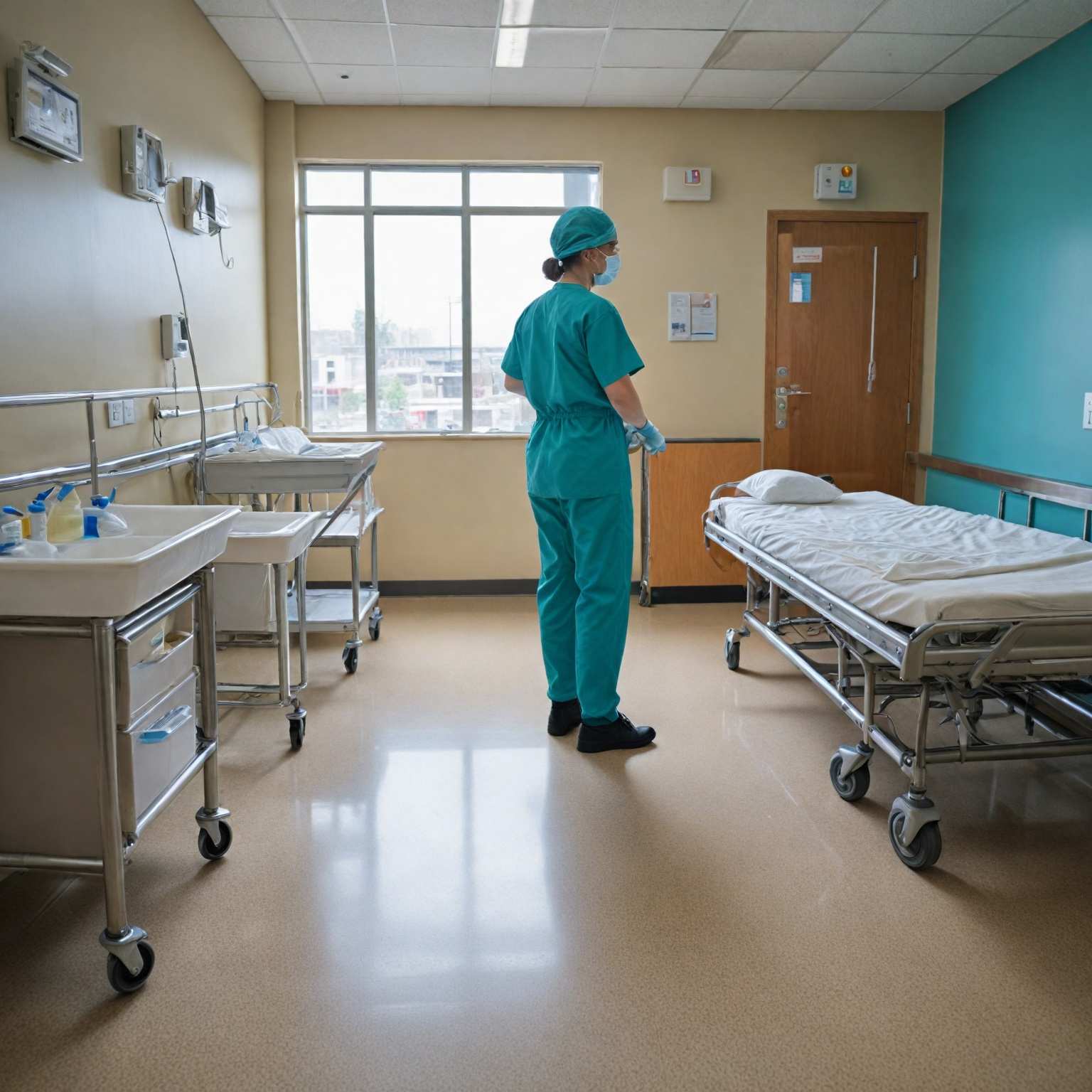
Hospital cleaning is essential for maintaining hygiene in healthcare settings, preventing healthcare-associated infections (HAIs), and protecting patients, staff, and visitors. It involves disinfecting patient rooms, operating theaters, and common areas to control pathogens like bacteria, viruses, and fungi. Demand for skilled cleaners remains strong due to regulatory mandates and expanding healthcare services, offering job stability and professional growth through specialized training and certification. Despite challenges such as occupational hazards and occasional underappreciation, hospital cleaning requires expertise in protocols and safety, playing a critical role in infection control and patient safety.
Role in Patient Safety and Infection Control
Hospital cleaners prevent infection spread by disinfecting surfaces and equipment, reducing cross-contamination risks among vulnerable patients and healthcare workers. Their work supports compliance with health regulations like the Health and Social Care Act 2008. Cleaning targets pathogens such as MRSA and C. difficile, with thorough sanitation essential for controlling HAIs. The COVID-19 pandemic underscored the importance of rigorous hygiene, emphasizing cleaning as a frontline defense. Despite automation advances, cleaning staff perform indispensable tasks crucial for infection prevention.
Job Stability, Demand, and Career Opportunities
Continuous infection control needs and healthcare expansion ensure steady demand for hospital cleaners, reinforced by regulations requiring strict sanitation standards. Career growth is supported by certifications like those from the International Executive Housekeepers Association and accredited programs such as CloroxPro HealthyClean, which enhance skills and leadership in environmental services. Training is accessible through diverse formats, including online and instructor-led courses, allowing specialization in infection control and behavioral health care cleaning.
Compensation, Benefits, and Work Environment
Hospital cleaning offers modest but competitive wages, averaging around $32,000 annually in the U.S., with variations based on employment type. Benefits often include health safeguards like mandatory vaccinations and flexible scheduling. The work environment is fast-paced and physically demanding, involving tasks vital to patient safety. While challenges include occupational hazards and workload variability, many find the role rewarding due to its impact on healthcare outcomes and opportunities for advancement within interdisciplinary teams.
Challenges and Misconceptions
Hospital cleaners face 24/7 operational demands, strict infection control protocols, and risks from hazardous chemicals and manual labor. Limited storage and organizational issues can complicate cleaning efforts, while staff may experience lack of recognition despite their critical role. Misconceptions that cleaning is low-skilled overlook the specialized knowledge required. Globally, disparities exist between resource-rich and resource-limited settings, highlighting the need for tailored hygiene solutions worldwide.
Professional Recognition and Career Progression
Cleaning staff are increasingly acknowledged as key healthcare team members contributing significantly to infection prevention. Institutions involve them in infection control planning and provide structured pathways for professional development through certifications and leadership training. Policies supporting worker health, including mandated vaccinations, improve workplace safety and morale, fostering career advancement and retention within the healthcare sector.
The content is provided by Blake Sterling, Direct Bulletins