Highlights
- Rare coins offer insights into history and potential financial investment opportunities.
- Authentication by experts ensures value and protects against counterfeit risks in coin collecting.
Summary
Rare coins are highly prized by collectors and investors worldwide for their scarcity, historical significance, and often exceptional craftsmanship. These coins represent tangible links to important economic, political, and cultural moments, offering insight into the eras in which they were minted. Their rarity typically results from limited mintage, low surviving populations due to circulation or melting, and unique production circumstances such as minting errors or restricted issues. Notable examples include the 1794 Flowing Hair Dollar, the 1804 Draped Bust Dollar, and the 1933 Double Eagle, each renowned for their scarcity and substantial auction values.
The value of rare coins is influenced not only by their rarity but also by condition, provenance, and historical context. Authentication and professional grading by organizations like the Professional Coin Grading Service (PCGS) and Numismatic Guaranty Corporation (NGC) play critical roles in verifying authenticity and assessing condition, which directly affect market demand and pricing. Collectors also seek coins from historically significant mints or with notable mint marks, as well as those bearing minting errors, which can substantially enhance desirability and value.
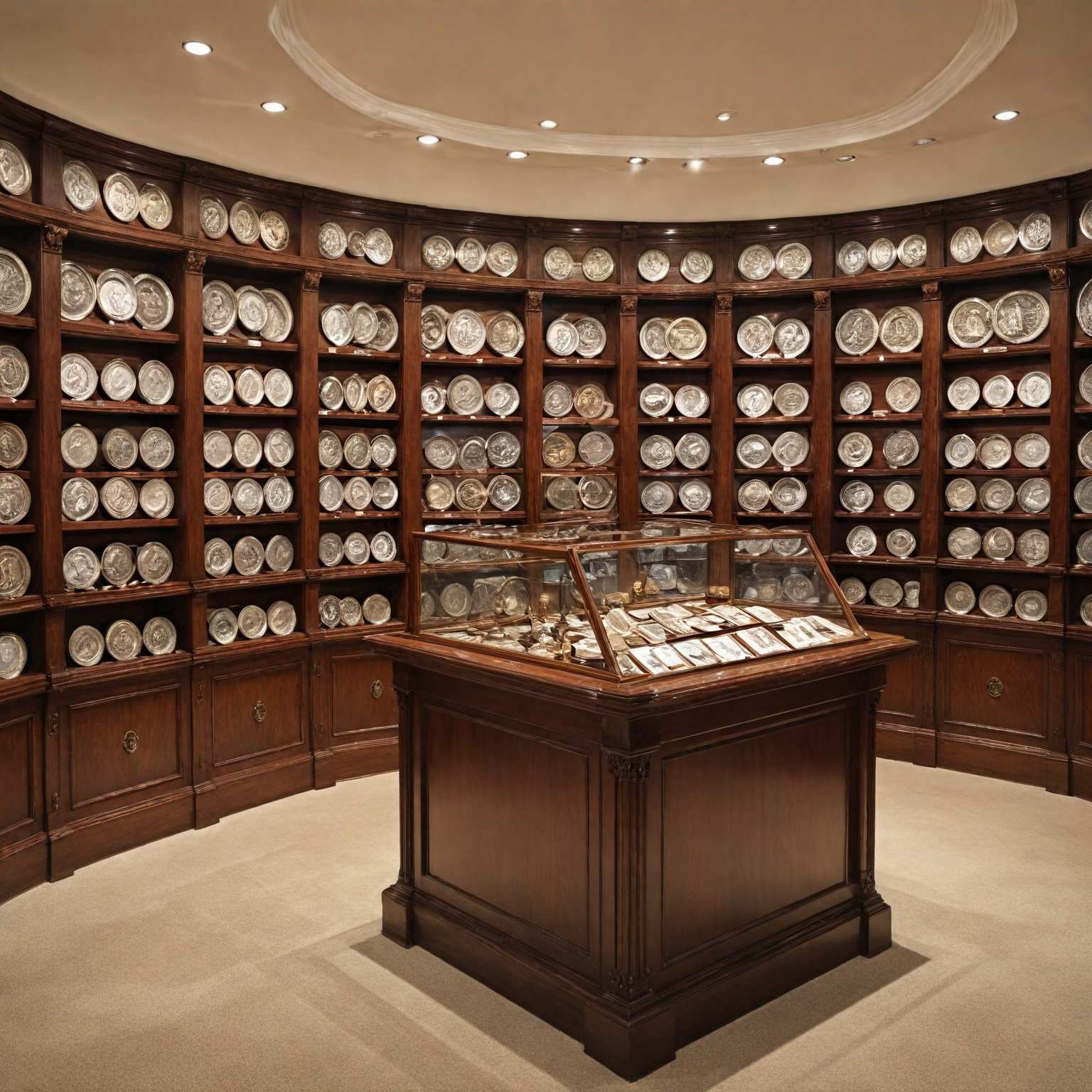
Rare coins hold enduring numismatic significance as artifacts that document technological advances, artistic achievements, and political decisions related to currency production. Institutions such as the American Numismatic Society exhibit these coins to underscore their cultural and historical importance beyond mere collectibles. This dual appeal—as both investment assets and historical objects—fuels sustained enthusiasm within the numismatic community and broader collector markets.
However, the rare coin market faces challenges, including controversies over grading consistency and the risks of counterfeit or improperly conserved coins, underscoring the importance of trusted authentication services and expert knowledge. Despite these complexities, rare coins continue to captivate collectors and investors alike, preserving stories of past societies while maintaining significant financial value.
Overview of Rare Coins
Rare coins hold a distinctive appeal for collectors and investors due to their scarcity, historical significance, and often exceptional craftsmanship. These coins serve not only as valuable numismatic assets but also as tangible links to the economic, political, and cultural milestones of various eras. The rarity of such coins typically stems from a combination of factors including limited mintage, low surviving population due to circulation or melting, and unique production circumstances such as minting errors.
In the context of United States coinage, rare coins span from early colonial pieces to prominent 19th and 20th-century issues, with examples such as the 1794 Flowing Hair Dollar, the 1804 Draped Bust Dollar, and the 1933 Double Eagle achieving legendary status among collectors. Some rare coins are so scarce that only a few specimens exist worldwide, each valued in the millions due to their age, condition, and unresolved numismatic history. Notably, the quality or grade of a coin is crucial in determining its value since many of these rare coins entered circulation and were not preserved in pristine condition.
Collecting rare coins involves an appreciation of not just their rarity but also their historical context, production technology, and physical attributes. Numismatics, the study of currency, embraces these aspects and fosters a deeper understanding of the significance behind these rare treasures. Organizations such as the American Numismatic Association support this field by promoting education and collection activities related to rare coins.
Ultimately, the enduring value of rare coins is driven by their limited availability, historical importance, collector enthusiasm, and proven auction desirability, ensuring their place as coveted collectibles worldwide.
Top 10 Rare Coins Highly Sought by Collectors
Collectors around the world prize rare coins for their scarcity, historical significance, and unique characteristics. The top 10 rare coins coveted today exemplify these qualities, combining limited mintage, fascinating backstories, and exceptional preservation to command significant attention and value in numismatic circles.
One of the most iconic coins is the 1909-S VDB Lincoln penny, notable for bearing the initials of designer Victor David Brenner on its reverse. With only 484,000 pieces minted at the San Francisco Mint, it is especially rare in uncirculated condition. Its status as the first Lincoln cent issued adds to its historical allure.
Equally legendary is the 1913 Liberty Head nickel, of which only five specimens are known to exist. Its rarity is compounded by the fact that it was minted unofficially, creating a lasting mystique and making it one of the most valuable and sought-after coins in the United States.
The 1933 Double Eagle gold coin is another remarkable rarity. Despite many being struck, most were melted down following the gold recall, leaving only a handful legally owned today. This coin’s rarity and storied history have made it a centerpiece of numismatic exhibitions and an object of intense collector desire.
The 1794 Flowing Hair Silver Dollar is often considered the first silver dollar minted by the U.S. Mint. Featuring Lady Liberty with flowing hair on the obverse and an eagle on the reverse, fewer than 1,800 were produced, with an estimated 120 to 130 surviving. High-grade specimens have fetched record prices at auction, solidifying its status as a prized collectible.
Other rare coins include the 1870-S Seated Liberty dollar, with only 15 known specimens surviving, prized for its low mintage and fine preservation. Similarly, the 1916-D Mercury dime stands out for its scarcity, as only 264,000 were minted, making it the only Mercury dime in the series with a mintage under one million.
In addition to minting quantity, coins with minting errors or unique mint marks also attract considerable interest. For example, the 1943 Lincoln Head copper penny is extraordinarily rare, with only about 40 known examples. These were struck accidentally on copper blanks during the transition to steel pennies and have become legendary among collectors.
Collectors also value coins from historic or now-defunct mints, such as the New Orleans (O) or Carson City (CC) mints. These coins often carry extra numismatic appeal due to their provenance and the historical context of their production.
Unique Features Contributing to Rarity and Value
The rarity and value of collectible coins are influenced by a combination of factors beyond mere production numbers. Survival rate, collector enthusiasm, and auction history often play significant roles in establishing a coin’s desirability and worth. For example, the Flowing Hair Silver Dollar, recognized as the first official silver dollar minted by the U.S. Mint, has only four known copies graded 65 or higher by PCGS, making it exceptionally rare and valuable.
Limited mintage is one of the most critical aspects defining rarity. Coins produced in small quantities or by accident—such as minting errors—tend to attract substantial collector interest. These errors may include design flaws or misstrikes associated with specific mint marks, which can dramatically increase a coin’s value due to their scarcity. Historic or now-defunct mints like New Orleans (O) and Carson City (CC) add another layer of appeal, as coins bearing these marks are sought after for their unique provenance and historical background.
Quality is equally important to rarity. Many rare coins entered circulation without any being saved in uncirculated condition, so finding a specimen of high grade can significantly elevate its market value. This principle is exemplified by the Mercury Dimes, where the “Full Bands” designation—indicating sharp detail on the coin’s reverse—significantly enhances desirability and investment potential.
Historical significance also plays a pivotal role in a coin’s appeal. Coins linked to important historical events, figures, or artistic achievements maintain strong collector demand. The redesigns of early 20th-century American coinage, driven in part by President Theodore Roosevelt’s involvement, contributed to the distinctiveness and collectibility of coins such as the double eagle and half eagle. Similarly, the 1933 Double Eagle is prized not only for its rarity but also for its artistic merit and storied provenance, with authenticated examples displayed at prominent numismatic institutions.
In some cases, rarity stems from unique historical anomalies. The 1943 copper pennies, mistakenly struck during World War II when pennies were primarily made of steel, exemplify this phenomenon. Their unexpected composition has made them among the most valuable U.S. coins due to their extreme scarcity and unusual backstory.
Mint marks can further influence a coin’s rarity and value. For instance, the 1909 VDB Lincoln pennies struck at the San Francisco Mint (mint mark S) had a much smaller mintage compared to the Philadelphia Mint and are consequently more coveted by collectors. Additionally, the smallest details, including metal composition and mint origin, contribute to the overall appeal and investment potential of gold and silver coins from renowned mints such as the Austrian Mint and Perth Mint, which are celebrated for their consistent quality and international recognition.
Historical Context and Numismatic Significance
Rare coins offer more than just monetary value; they serve as tangible connections to the rich history and cultural heritage of the eras in which they were minted. Numismatics, the study and collection of coins and currency, delves into understanding these artifacts through their physical characteristics, production techniques, and the historical narratives they embody. Many sought-after coins, such as those from the colonial period or historic mints like New Orleans and Carson City, carry extra significance due to their unique origins and the stories behind their production.
The redesigns of American coinage in the early 20th century illustrate the intersection of art, history, and politics in numismatics. Driven partly by President Theodore Roosevelt’s desire to enhance the national coinage’s representation, new designs were introduced for several denominations, including the double eagle and quarter, featuring prominent artists of the era and reflecting national pride. For instance, modifications to coin designs were sometimes influenced by practical considerations, such as the adaptation of dime designs to accommodate vending machine compatibility, demonstrating the evolving balance between aesthetics and functionality.
Moreover, certain rare coins, like the 1933 Double Eagle, exemplify both numismatic rarity and historical intrigue. Their preservation, authentication, and exhibition at institutions such as the American Numismatic Society underscore their importance beyond mere collectibles, highlighting their roles as artifacts of historical and artistic merit. Error coins and unique mint marks further enhance the historical narrative by illustrating the complexities and occasional imperfections in minting processes, which are highly prized by collectors due to their scarcity and distinctiveness.
Ultimately, these rare coins are valued not only for their scarcity and potential investment returns but also for their ability to convey stories of past societies, political decisions, and technological advancements in coin production. Their artistic craftsmanship and enduring historical significance continue to captivate collectors and historians alike, making them prized treasures in the field of numismatics.
Authentication and Grading of Rare Coins
Authentication and grading are fundamental processes in the rare coin market, providing collectors and investors with confidence in the legitimacy and condition of their coins. Authentication involves verifying a coin’s provenance, ensuring it has not been tampered with or altered, and confirming its historical significance. Reputable grading services incorporate authentication into their encapsulation process, which helps guarantee that the coin is both genuine and accurately represented.
The grading of rare coins assesses their condition, a primary determinant of collectible value. This process is typically carried out by professional graders using magnification and expertise developed over years. The criteria used to determine a coin’s grade generally include strike quality, preservation, luster, color, attractiveness, and sometimes the mint location. William Sheldon’s grading scale, ranging from 1 to 70, forms the basis for most modern grading systems. Sheldon’s theory proposed that a coin graded 70 would be worth 70 times as much as one graded 1. This scale was later adopted and refined by major grading companies such as the Professional Coin Grading Service (PCGS) and the Numismatic Guaranty Corporation (NGC).
The grading process is meticulous and involves several stages to ensure accuracy and consistency. Expert graders evaluate each coin, then encapsulate it in a tamper-proof holder—often referred to as a slab—with a label detailing the assigned grade. This encapsulation not only protects the coin from environmental damage but also serves as a certificate of authenticity and condition. These holders are critical in maintaining a coin’s value and appeal on the secondary market.
While PCGS and NGC are the most prominent grading services, known for their strict standards and market recognition, other companies such as ANACS and ICG provide reliable but sometimes less prestigious grading services. Differences between PCGS and NGC can include grading strictness—PCGS often awards slightly lower grades—and additional market features like population reports and re-grading policies offered by NGC.
Collectors are advised to avoid DIY cleaning methods, as improper conservation can irreversibly damage a coin and diminish its value. Professional conservation services are recommended when necessary to preserve the coin’s condition. The grading and authentication processes together provide a trusted foundation for rare coin collecting, ensuring that buyers and sellers can transact with greater security and clarity regarding a coin’s true worth.
Market Trends and Collector Behavior
The market for rare coins is influenced by a dynamic interplay between collectors and investors, each with distinct motivations and impacts on pricing. Investors typically focus on long-term value appreciation, often causing rapid price increases for high-grade coins when market demand surges. This contrasts with collectors who may prioritize historical significance or the completion of specific sets.
Collector behavior is heavily shaped by the condition and preservation of coins, which directly affect market value. Professional conservation services are recommended to maintain a coin’s grade and avoid irreversible damage caused by amateur cleaning methods. The use of protective holders, or slabs, is also critical in preserving condition and verifying authenticity, factors that collectors and investors both consider paramount.
Coins with minting errors, limited production runs, or notable historical backgrounds tend to attract significant collector interest. Demand for such coins influences auction and private sale prices, with some varieties, such as Small Eagle reverse types, forecasted to yield substantial returns in coming years. Notably, the scarcity and grading of coins play a crucial role in valuation; for example, emerging discussions in the numismatic community suggest that certain grades like AU-59 could become standardized in response to collector and dealer preferences.
The appreciation of coin values over time is a common trend, driven by increasing rarity as coins age and become harder to find. This trend benefits both investors and collectors, encouraging careful selection and grading of coins for potential long-term gain. Recent market activity demonstrates that even coins with moderate initial values can experience significant appreciation, making them attractive entry points for new collectors.
Numismatics—the study and collection of coins—further supports informed collector behavior by analyzing the physical attributes, production techniques, and historical context of coins. Advances in grading and certification services, such as those provided by PCGS, have improved transparency and confidence in coin transactions, influencing both market demand and pricing strategies.
Moreover, specialized tools like the Scarcity Index help experts and collectors identify the rarest and most valuable coins by evaluating limited mintage, circulation, and current market demand. This analytical approach enables more strategic collecting and investing, particularly in niche markets such as the round £1 coins, where precise rarity assessments can predict future value appreciation.
Cultural and Historical Impact of Rare Coins
Rare coins, particularly those from the United States, serve as tangible links to the nation’s rich cultural and historical heritage. These numismatic treasures provide more than mere monetary value; they encapsulate significant economic, political, and social milestones across different eras, allowing collectors and historians to explore the past through a unique medium. From early colonial coinage to iconic 19th and 20th-century pieces, rare US coins such as the 1794 Flowing Hair Dollar, the 1804 Draped Bust Dollar, and the 1933 Double Eagle have achieved legendary status not only for their scarcity but also for their ability to reflect
The content is provided by Avery Redwood, Direct Bulletins